
Blooming
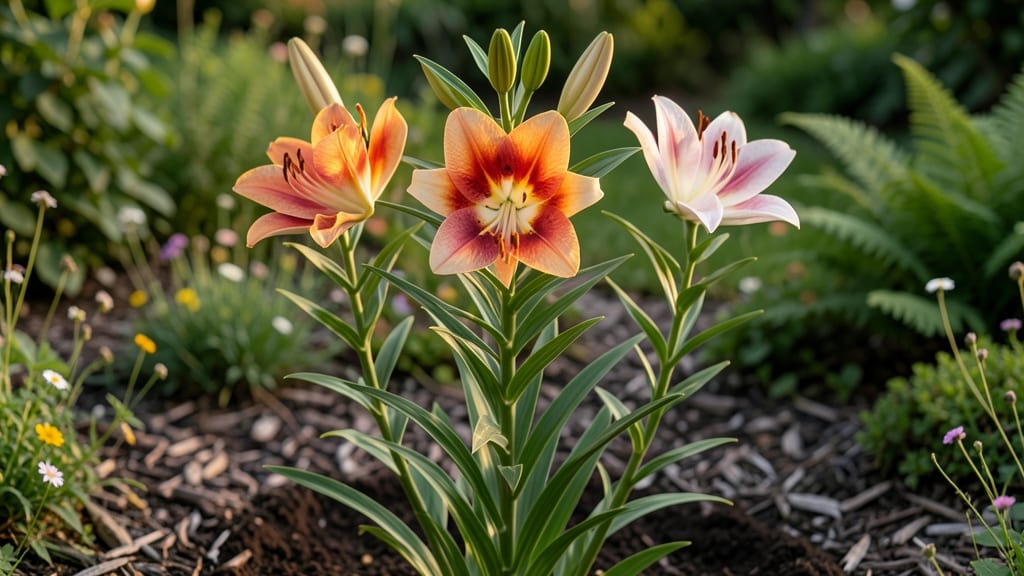
The Asiatic lily bloom season typically spans from late spring to early summer, transforming your garden into a burst of vibrant color 🌸.
If you’ve ever planted Asiatic lilies and waited impatiently for their vibrant blooms—only to be met with disappointment—you’re not alone. The secret to unlocking their full potential lies in understanding when they bloom and how to coax them into peak performance based on your climate zone.
In USDA Zone 6a, where I garden, these beauties usually start showing off their petals in June, with the season peaking in July before tapering off by early August. But timing can shift depending on whether you’re in a cooler northern region or a warmer southern one.
Below, I’ll break down how sunlight, soil, and a little pruning know-how can shift your bloom season earlier—or extend it longer—so you get the most stunning display possible.
Asiatic lily bloom season by USDA hardiness zones: when to expect colorful displays
Asiatic lilies dazzle gardens with their vibrant blooms, but their timing varies dramatically based on your USDA hardiness zone. In colder zones like 3-5, expect blooms to arrive late June to early July, while warmer zones 8-10 may see flowers as early as May.
Understanding these patterns helps you plan your garden for maximum impact.
Daylight hours and temperature thresholds trigger blooming cycles. Asiatic lilies typically need 12+ hours of daylight and consistent warmth (above 50°F) to push buds open. In northern zones, cooler springs delay blooms, while southern climates often see earlier, longer-lasting displays.
Here’s how bloom seasons break down by USDA zone, including early, mid, and late varieties to extend your seasonal color:
In Zones 3-4, where winters are harsh, Asiatic lilies often wait until late June to bloom. Plant early-blooming varieties like 'Pink Perfection' to brighten your garden sooner. These zones also benefit from mulching to protect bulbs from freeze-thaw cycles, which can delay or reduce blooms.
Gardeners in Zones 5-6 enjoy a longer bloom season, typically from mid-June to late July. The cooler springs in these areas mean you’ll need to plant bulbs early (late summer/fall) to ensure robust growth.
Varieties like 'Casa Blanca' thrive here, offering pure white blooms that contrast beautifully with purple and pink neighbors.
Southern zones (7-10) experience the earliest and longest blooms, often starting as early as April. In Zone 10, where winters are mild, lilies may even rebloom in fall if conditions are ideal. Choose heat-tolerant varieties like 'Black Out' to avoid bud drop during summer heatwaves.
To extend your bloom season, mix early, mid, and late varieties in the same bed. For example, pair 'Pink Parfait' (early) with 'Connecticut King' (mid) and 'Orange Fizz' (late) to create a continuous display from April to August.
This layered approach also attracts pollinators like butterflies and hummingbirds for months.
Daylight hours play a critical role in triggering blooms. Asiatic lilies are long-day plants, meaning they respond to increasing daylight. In northern latitudes, this means June solstice marks the peak bloom time, while southern gardens may see staggered blooms due to more consistent daylight.
Temperature also influences bloom quality. Nighttime temps below 50°F can delay or stunt blooms, while consistent warmth (above 60°F) encourages larger, more vibrant flowers. If your summer nights are cool, consider planting near a heat-retaining wall or using mulch to moderate soil temps.
One common misconception is that Asiatic lilies bloom only once per season. While true for most varieties, proper care—like deadheading spent blooms and fertilizing in early summer—can encourage secondary blooms, especially in warmer zones.
I’ve seen 'Stargazer' lilies rebloom in late summer with minimal extra care!
For container gardening, choose compact varieties like 'Lilac Beauty' and place pots in full sun. Containers heat up
How to extend Asiatic lily bloom season: proven tips for longer, healthier flowers
Asiatic lilies are famous for their bold colors and dramatic blooms, but their bloom season can feel disappointingly short if you don’t optimize their care. With the right strategies, you can stretch those vibrant flowers from 2-3 weeks to a full 6-8 weeks of continuous color.
The key lies in understanding their growth cycle and how to support them at every stage.
Start by preparing your soil conditions before planting. Asiatic lilies thrive in well-draining soil with a pH between 6.1-7.0. Amend heavy clay soil with compost or sand to improve aeration, and avoid waterlogged areas that can cause bulb rot.
A balanced fertilizer (10-10-10) applied at planting will give them a strong start for next year’s blooms.
⚠️ callout warning ⚠️
- Over-fertilizing with nitrogen: Leads to lush foliage but fewer blooms.
- Inconsistent watering: Drought stress or soggy soil both reduce bloom quality.
- Skipping deadheading: Allows energy to waste on seed production instead of new buds.
- Planting in shade: Less than 6 hours of sun weakens stems and blooms.
Once your lilies emerge in late spring, maintain a consistent watering schedule. Water deeply once a week during dry spells, ensuring the soil stays moist but not waterlogged.
In peak summer heat, increase frequency to every 5-7 days and water in the early morning to prevent fungal diseases. Mulch around the base with 2-3 inches of organic mulch to retain moisture and regulate soil temperature.
Deadheading is one of the simplest ways to extend your Asiatic lily bloom season. As soon as a flower fades, snip the spent bloom just above the next set of buds using clean, sharp pruners.
This redirects the plant’s energy from seed production to developing new flower stalks. Repeat this process weekly throughout the season to encourage continuous blooming.
In early fall, reduce watering gradually to prepare the bulbs for dormancy. After the foliage yellows and dies back naturally, cut it back to ground level but leave the bulbs in the soil.
This protects them from winter frosts while allowing them to store energy for next year’s earlier and more abundant blooms. In USDA zones 3-5, add a 3-inch layer of mulch for extra insulation.
For a second flush of blooms in late summer, try dividing mature clumps every 3-4 years. Dig up the bulbs in early fall, separate the offsets, and replant them immediately.
This rejuvenates the plants and often results in more vigorous blooming the following season. With these techniques, your Asiatic lilies will reward you with longer, healthier flowers year after year.