
Blooming
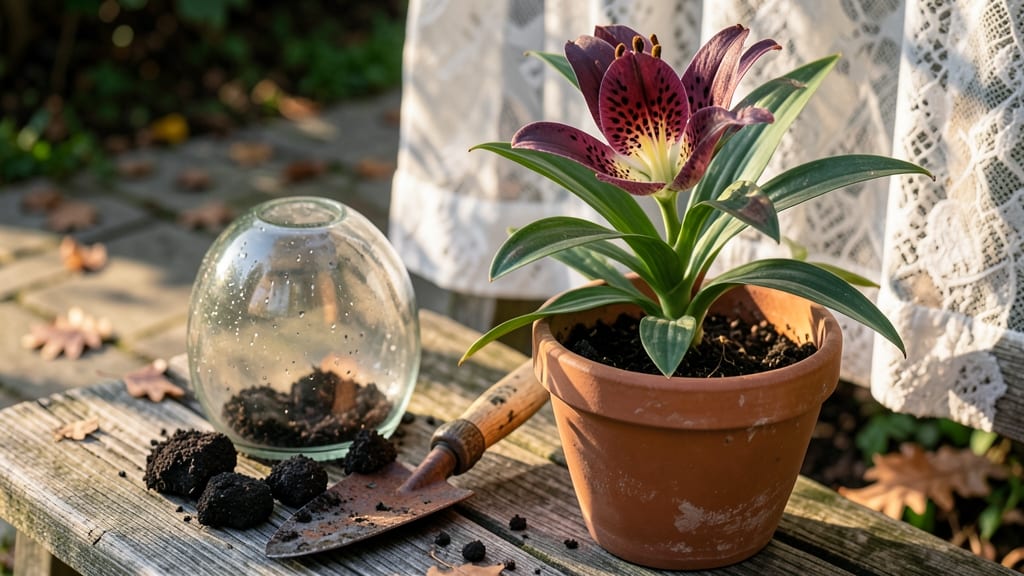
Lilies don't bloom all year—their flowering cycles are tightly linked to climate zones, species traits, and seasonal cues like daylight exposure and temperature shifts. Most varieties peak in late spring through summer, with tropical types offering occasional blooms in warmer microclimates.
Lily blooming patterns are actually governed by two key biological triggers: vernalization (cold period requirements) and photoperiodism (daylight sensitivity). 🌸 For example, hardy lilies like Asiatic types need 6-8 weeks of cold dormancy before they'll bloom in spring, while tropical lilies respond to consistent warmth but may skip blooming if daytime temperatures dip below 70°F.
Even in mild climates, most lilies enter a natural rest period after their main flowering season, though some daylilies (technically hemerocallis) can produce secondary blooms with proper care.
What's interesting is how local microclimates can extend blooming windows. In USDA Zone 8+, for instance, you might see Stargazer lilies flowering into early fall if planted in well-drained soil with morning sun exposure.
The secret lies in maintaining consistent moisture during bud formation and avoiding heavy mulch that could smother roots—both critical for triggering those secondary blooms in warm-weather varieties.
💡 In This Article
- Seasonal and Climate Factors Affecting Lily Blooms
- Best Lily Varieties for Extended or Year-Round Blooming
Seasonal and climate factors affecting lily blooms
Lily blooming cycles are primarily controlled by two biological processes: vernalization (cold requirement) and photoperiodism (daylight sensitivity). Hardy lilies like Asiatic or Martagon types need 6-8 weeks of temperatures below 50°F to break dormancy and trigger spring blooms.
This cold period mimics winter conditions, signaling the plant it's safe to grow.
Without adequate chilling, buds may fail to develop entirely—even in warm climates. 🌱 For example, a Stargazer lily planted in Zone 7 might bloom beautifully in summer, but if moved to Zone 10 without proper winter chilling, it could produce only sparse or no flowers.
The length of daylight also plays a crucial role. Most lilies are long-day plants, meaning they flower when daylight exceeds 12-14 hours. In northern climates, this aligns with late spring to summer, while tropical lilies may bloom year-round in Zone 10+ where daylight remains consistent.
Temperature extremes further complicate blooming: below 55°F can stunt growth, while above 90°F may cause buds to drop before opening. Even in mild winters, a sudden frost can damage emerging buds, cutting blooms short by 30-50%.
Frost sensitivity varies dramatically between species. Tiger lilies can tolerate light frosts (-5°F), while Calla lilies (technically Zantedeschia) thrive in Zone 8+ and may bloom sporadically if protected from cold snaps. The key is understanding your local hardiness zone and matching lilies accordingly.
For instance, Daylilies (Hemerocallis) are far more adaptable, blooming in Zones 3-10 and often producing secondary flowers with proper care—unlike true lilies, which rarely rebloom naturally.
Soil temperature matters just as much as air temperature. Lily bulbs need soil to warm to 60-65°F before active growth begins. In cooler climates, planting bulbs in black plastic mulch can raise soil temps by 5-10°F, extending the growing season.
Meanwhile, in hot climates, shade cloth can prevent buds from scorching under 100°F+ conditions. These microclimate adjustments can shift blooming windows by 2-4 weeks, making year-round blooms possible with the right variety and care.
What most gardeners overlook is how water stress during bud formation can derail blooming. Lilies need 1-1.5 inches of water weekly during their active growing season (spring to early summer), but inconsistent moisture can cause buds to abort.
In drought-prone areas, drip irrigation delivers water directly to roots, reducing evaporation and ensuring consistent blooms. The result? A well-watered Casa Blanca lily in Zone 5 might produce 20-30% more blooms than one left to natural rainfall alone.
Finally, consider elevation. High-altitude gardens (above 5,000 feet) often experience cooler daytime temps and longer daylight hours in summer, which can delay blooming by 3-6 weeks compared to sea-level gardens.
For example, a Stargazer lily in Denver might bloom in mid-July instead of June, while the same plant in Los Angeles could flower as early as May. Adjusting planting times and choosing early-blooming varieties can help synchronize flowers with local seasonal cues.