
Blooming
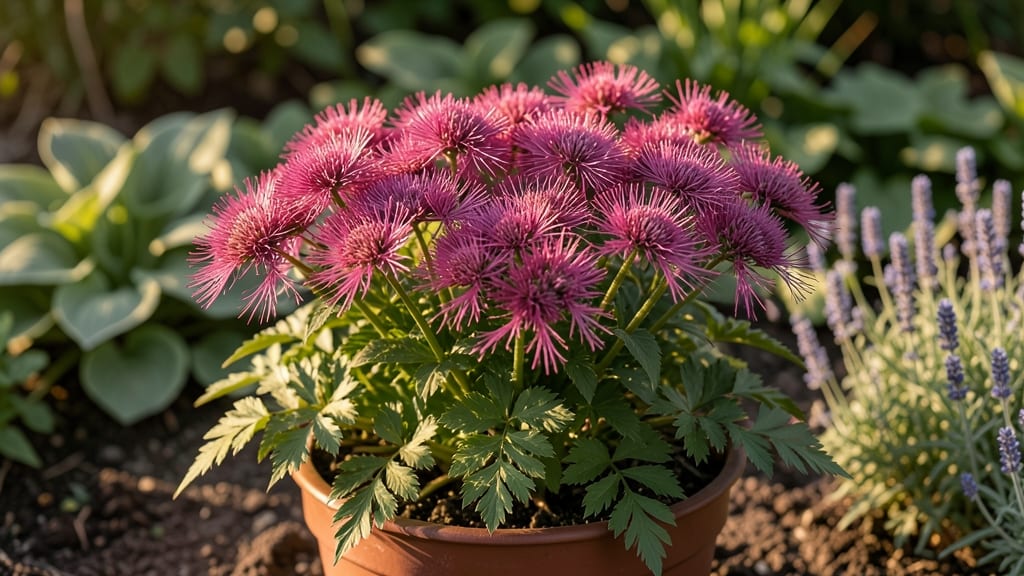
Astilbe blooms in late spring through summer 🌸, turning gardens into feathery clouds of color—but if yours fade too soon, you’re missing the trick to extending their season.
Picture this: your astilbe’s plumes peak in June, then dwindle by July, leaving you wondering if you’ll ever see them again. The truth? With the right care, you can coax reblooms for weeks longer—no shortcuts, just smart timing and a few easy adjustments.
Climate plays a huge role—cooler zones like USDA 6a see blooms start earlier, while warmer areas may push them later. But no matter where you garden, deadheading spent flowers and feeding at the right time can turn a one-shot display into a season-long show.
Below, I’ll break down the exact bloom windows by variety, how to spot the signs of reblooming, and the one simple step that keeps your astilbe looking fresh until fall.
Astilbe bloom season timeline: when to expect peak color
Timing your astilbe blooms depends on both the variety you grow and your USDA hardiness zone.
Most astilbes burst into color from late spring to early fall, but early bloomers like 'Fanal' may start as early as May, while late varieties like 'Deutschland' can extend into July or August. Understanding these windows helps you plan for maximum garden impact and reblooming strategies.
In cooler climates (USDA Zones 3-5), astilbes often bloom 2-3 weeks later than in warmer zones (USDA Zones 7-10). For example, a 'Vision in Pink' planted in Zone 5 might peak in mid-June, while the same variety in Zone 8 could start blooming by late May.
Temperature triggers play a huge role—consistent 60°F+ days signal astilbes to shift from foliage growth to flower production.
Here’s how to adjust your expectations based on your local climate and specific cultivars. The table below compares bloom windows for popular varieties, helping you visualize when to expect peak color and how to extend the season.
If you’re in a shorter growing season (USDA Zones 3-4), focus on early-blooming varieties like 'Fanal' or 'Peach Blossom' to maximize your summer color. In warmer zones (USDA Zones 7-10), you can push for late-season bloomers like 'Bridal Veil' to enjoy fall interest before frost.
Pro tip: Deadhead spent blooms every 2-3 weeks to encourage reblooming and extend your astilbe show by 3-4 weeks.
For gardeners in transition zones (USDA 5-6), timing is everything. Plant early and late varieties together to create a continuous bloom sequence. For example, pair 'Fanal' (early) with 'Bridal Veil' (late) to ensure nonstop color from May to September.
This staggered planting strategy works especially well in partial shade gardens, where astilbes thrive.
Don’t overlook microclimates in your garden. A north-facing bed might delay blooms by 1-2 weeks compared to a south-facing spot, even in the same zone.
If your astilbes are lagging behind schedule, check their sun exposure—they need 4-6 hours of morning sun but afternoon shade to prevent leaf scorch. Adjust their location if needed to sync blooming with your garden’s
How to trigger astilbe reblooms: proven natural methods
Astilbe’s lush plumes don’t have to be a one-season wonder. With the right care, you can coax your plants into producing second flushes of blooms—naturally. The secret lies in understanding their growth triggers and timing interventions precisely.
Unlike annuals, astilbes are perennials that store energy in their roots, but they need the right signals to push out new flowers.
Reblooming works best when you combine deadheading, light management, and nutrient timing. Think of it like giving your astilbe a second chance to shine after their initial bloom cycle. The key is acting at the right moment—too early or too late, and you’ll miss the window.
Let’s break down the proven methods that have worked for gardeners in USDA Zones 4-9.
Timing is everything when it comes to reblooming. For most astilbe varieties, the rebloom window opens 6-8 weeks after the initial bloom cycle.
If your plants are in USDA Zone 5 or colder, aim for mid-July to early August—this gives them enough warmth to push new buds before fall. In warmer zones (7-9), you might see a second flush as late as September.
Don’t overlook the power of temperature triggers. Astilbes need consistent daytime temps above 70°F to initiate reblooming. If your summer is unusually cool, consider using row covers or moving potted astilbes to a sunnier, warmer microclimate.
A sudden drop below 60°F at night can halt flower production, so monitor your local forecast.
Pro tip: If your astilbe’s reblooms are sparse, it might be a sign of nutrient deficiency. Conduct a soil test and amend with bone meal (for phosphorus) or kelp meal (for potassium)—both are essential for flower development.
My go-to is a balanced organic fertilizer like 5-5-5, applied in early June for a late-summer boost.
With these methods, you’ll transform your astilbe from a one-hit wonder to a season-long star. The best part? No chemicals, no guesswork—just smart gardening. Watch your feathery plumes return year after year, and enjoy the extended bloom season you’ve been dreaming of. 🌸