
Blooming
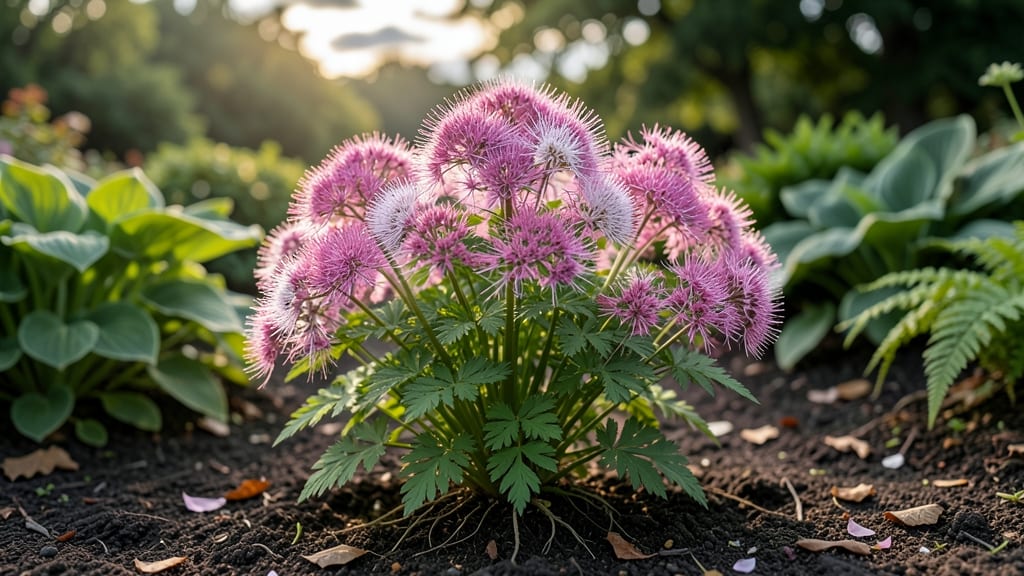
The astilbe bloom time varies dramatically by variety and your local microclimate — and getting it right means the difference between feathery plumes that pop in June and ones that barely peek through by August.
If you’ve ever wondered why your 🌸 astilbe flowers bloom late—or not at all—it’s likely because you’re missing the heat-triggered cues that kickstart their stunning plumes.
In USDA Zone 6a, for example, early varieties like Astilbe chinensis often burst into color by mid-May, while late bloomers like Astilbe arendsii may wait until July.
But here’s the catch: even within the same zone, urban heat islands or shaded garden beds can shift bloom windows by weeks. A few simple adjustments—like mulching for soil warmth or pruning at the right stage—can extend those delicate plumes by 30 days or more.
Below, I’ll break down the exact stages your astilbe goes through, how to read your climate’s signals, and the three most common mistakes that cut blooms short before they even begin.
Heat-triggered bloom stages in astilbe: when & how varieties respond
Astilbe flowers are heat-sensitive and bloom in precise response to temperature shifts, not just daylight hours. Their stunning plumes unfurl when soil temps hit 55–65°F at a depth of 4 inches—a threshold many gardeners overlook.
This delayed reaction explains why some varieties bloom late or miss their window entirely, especially in cooler climates or urban heat islands where microclimates create unexpected delays.
Understanding these three bloom stages—pre-bloom, peak, and post-bloom—helps you time care tasks like fertilizing or pruning for maximum impact.
For example, Astilbe arendsii (the most common type) typically starts budding when daytime highs reach 70°F, but Astilbe chinensis varieties often bloom 2–3 weeks earlier due to their native adaptability to warmer springs. Let’s break down how each variety responds to heat cues.
🌱 Key Insight: Astilbe blooms are triggered by soil warmth, not air temperature. A 5°F difference in soil temp can shift bloom time by 1–2 weeks. Use a soil thermometer to track this critical threshold in your garden.
The pre-bloom stage begins when astilbe foliage turns a deeper green and stems elongate rapidly. This phase lasts 2–4 weeks and is highly sensitive to day-length changes.
In USDA Zone 6, this typically aligns with late May, but in Zone 9, it may start as early as March. If your astilbe shows no signs of budding after 6 weeks of warm soil, check for root-bound conditions or poor drainage.
Pro Tip: Mulch with 2–3 inches of shredded bark in early spring to insulate roots and accelerate soil warming. This can advance bloom time by 10–14 days in cooler zones. Avoid organic mulches like straw, which can compact and suffocate roots.
During the peak bloom stage, astilbe plumes unfurl in 3–5 days once triggered by heat. Astilbe arendsii varieties reach their maximum display in late June–July, while late-blooming types like Astilbe japonica may not peak until August.
Heat spikes above 85°F can shorten bloom duration by 30–50%, so provide afternoon shade in Zone 7+ gardens. Drip irrigation systems help maintain consistent soil moisture, which prevents bud drop.
Post-bloom care is critical for next year’s performance. After flowers fade, cut back stems to 6 inches tall to redirect energy to root growth.
In Zone 5–6, this should happen by late August to avoid frost damage. Astilbe chinensis varieties often self-seed prolifically—remove unwanted seedlings in early spring to prevent overcrowding, which stunts bloom size.
🌡️ Zone-Specific Adjustments: Gardeners in Zone 3–4 should plant astilbe in south-facing beds to capture early-season warmth. In Zone 8–9, prioritize morning sun + afternoon shade to prevent heat stress. Always monitor soil moisture—wilting foliage during bloom signals root stress, not drought.
For urban gardeners, heat islands can delay blooming by up to 3 weeks. Mitigate this by planting astilbe near reflective surfaces (like light-colored walls) or using soaker hoses to cool soil. In shaded gardens,
How to extend astilbe bloom time: proven techniques for longer flowers
Your astilbe’s plume blooms can last weeks longer with the right care. The key lies in soil warmth and strategic pruning—two factors most gardeners overlook. Astilbes naturally respond to heat triggers, so timing your maintenance around temperature shifts is critical.
For example, early-season varieties like Astilbe chinensis bloom faster in USDA Zone 6+, while late bloomers like Astilbe arendsii need consistent moisture to extend their season.
Start by adjusting your watering schedule—astilbes hate heat stress. Deep watering in the early morning keeps roots cool and encourages longer bloom cycles. Avoid evening watering, which can invite fungal diseases that shorten flower life.
Pair this with organic mulch (2–3 inches of shredded bark) to regulate soil temperature and retain moisture. This two-step approach can add 3–4 weeks to your astilbe’s display.
Organic Fertilizers
- Pros: Slow-release nutrients, improves soil health
- Cons: Requires more frequent applications
Synthetic Fertilizers
- Pros: Fast results, precise nutrient control
- Cons: Can burn roots if overused
Best For:
- Long-term bloom extension
- Soil enrichment
Best For:
- Quick nutrient boost
- Urgent bloom revival
Examples:
- Compost, fish emulsion
- Bone meal, worm castings
Examples:
- 10-10-10 granular
- Slow-release spikes
Pruning plays a pivotal role in extending bloom time. Deadheading (removing spent blooms) encourages new growth, but timing matters. For early bloomers, cut back by one-third after the first flush to prompt a second round.
For late-season varieties, wait until after frost to prune—this protects next year’s buds. Use clean, sharp shears to avoid damaging stems, and always cut just above a leaf node to stimulate regrowth.
Another game-changer is light management. While astilbes thrive in partial shade, too much shade can delay blooming. If your plants are in deep shade, gradually introduce dappled sunlight (e.g., by thinning nearby trees) to trigger flowering.
Conversely, avoid full sun, which causes wilting and shortens bloom cycles. A 50% shade cloth can help balance light exposure in hot climates.
For maximum longevity, combine these techniques: mulch in early spring, fertilize with organic matter in late spring, and deadhead weekly during peak bloom. In USDA Zones 7–9, this routine can stretch your astilbe’s display from 4 weeks to 8+ weeks.
The secret? Consistency—astilbes reward attentive care with vibrant, long-lasting plumes.
Don’t forget to monitor soil moisture during heatwaves. Let the top 1–2 inches dry out between waterings, but never let the soil become bone-dry. A self-watering pot or drip irrigation system can automate this process, ensuring your astilbes stay hydrated without stress.
With these adjustments, your garden will be the envy of the neighborhood—astilbe blooms that last all summer!