
Blooming
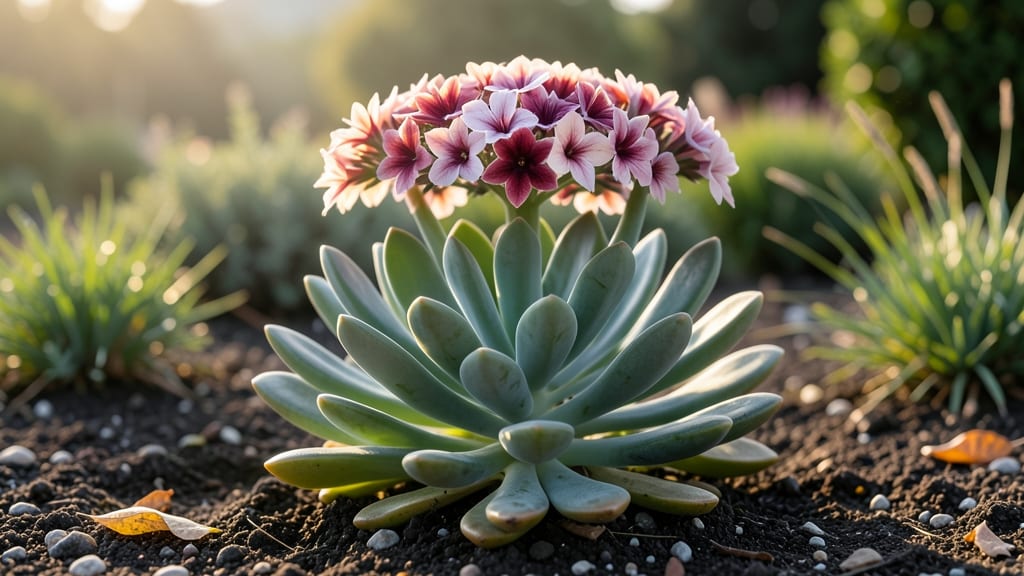
The Autumn Joy Sedum bloom time is the moment your garden transforms from green to purple, but timing it right depends on your zone and care habits.
Picture this: late summer rolls in, and suddenly, those dramatic purple spikes 🌸 shoot up like fireworks, lasting until frost. But if you’re in Zone 5, you’ll see them in September, while Zone 9 gardeners get an extra month of color. The difference? Climate, sunlight, and even how you water.
This isn’t just about waiting for blooms—it’s about controlling the timing. Too much fertilizer can cut blooms short, while the right pruning tricks can stretch them weeks longer. I’ll break down the exact months by zone, plus the simple tweaks that keep those spikes coming.
Ready to turn your garden into a late-season showstopper? Here’s how to predict—and extend—your Autumn Joy Sedum’s bloom time, no guesswork needed.
Autumn Joy sedum bloom time by USDA hardiness Zone: month-by-month guide
Predicting when your Autumn Joy Sedum will burst into those iconic purple-pink spikes can feel like guessing the weather—until now. This hardy perennial typically blooms between late summer and fall, but the exact timing shifts dramatically depending on your USDA hardiness zone, elevation, and local microclimates.
In Zone 5, you might see buds opening as early as mid-September, while gardeners in Zone 9 could enjoy blooms stretching into December.
Even within the same zone, factors like soil drainage, sunlight exposure, and afternoon humidity can push bloom windows by 2–4 weeks. For example, a mountain garden in Zone 6 might bloom 3 weeks earlier than a valley garden just 50 miles away.
Let’s break down the month-by-month expectations so you can plan your garden’s fall centerpiece with confidence.
📌 Pro Tip: If your Autumn Joy blooms earlier than expected, it may signal heat stress in hotter zones. Conversely, delayed blooms often point to poor drainage or shady conditions. Adjust care accordingly.
Notice how Zone 9–10 gardeners get the longest bloom windows? That’s because cooler fall temperatures trigger flowering, while hotter summers can delay bud formation until September’s temperature drop. In contrast, Zone 3–4 plants often bloom earlier to avoid early frost, sometimes starting as soon as late August.
Elevation plays a sneaky role too. For every 1,000 feet higher you garden, expect blooms to start 1–2 weeks earlier. That’s why a Zone 6 mountain garden might bloom in late August, while a valley garden in the same zone waits until September.
To test your local timing, mark your plant’s first buds on a calendar for 3 years—you’ll spot patterns.
🌡️ Temperature Triggers: Autumn Joy needs 50–60°F nights to set buds. If your fall stays above 70°F, blooms may stall until October. Use a light shade cloth in Zone 9–10 to cool roots and encourage earlier flowering.
Microclimates—like south-facing walls or paved surfaces that radiate heat—can shift bloom times by up to 3 weeks. Plant Autumn Joy near reflective surfaces (like gravel or light-colored brick) to extend its bloom season in cooler zones.
Conversely, avoid low-lying areas where cold air pools and risks early frost damage to buds.
If your Autumn Joy blooms later than expected, check these 3 common culprits: 1. Shady spot: Needs 6+ hours of sun for timely blooms.
- Over-fertilized: Too much nitrogen = leafy growth, no flowers.
- Compacted soil: Roots need air and drainage to trigger blooming.
For extended color, deadhead spent blooms every 2 weeks—this redirects energy to new flower production and can add 3–4 extra weeks of interest. In Zone 5–6, this trick is especially valuable, as November frosts often
How to extend Autumn Joy sedum’s bloom time: 5 proven gardening hacks
Want your Autumn Joy Sedum to show off those stunning purple blooms for weeks longer? The secret lies in strategic care—especially during late summer and early fall. This drought-tolerant plant thrives on minimal intervention, but a few key adjustments can dramatically extend its 6–8 week flowering window.
Let’s dive into the science-backed hacks that keep your sedum in peak bloom.
First, understand that over-fertilizing is the #1 mistake gardeners make. Too much nitrogen shifts energy from blooms to foliage, shortening your sedum’s show. Instead, focus on balanced soil health and stress-free growing conditions.
With these 5 proven techniques, you’ll coax your Autumn Joy to bloom 2–3 weeks longer than average—even in cooler climates.
- 1 Prune strategically: Cut back 1/3 of spent blooms in early September to encourage second flushes. Use clean, sharp bypass pruners to avoid damaging stems.
- 2 Amend soil with compost: Mix 2–3 inches of compost into the root zone in early fall. This adds organic matter without overfeeding, supporting root health for prolonged blooming.
- 3 Water deeply but infrequently: Soak roots every 10–14 days in fall (vs. weekly in summer). Avoid evening watering to prevent fungal stress—morning sessions work best.
- 4 Plant heat-reflecting companions: Surround sedum with silver foliage plants (like Artemisia ‘Silver King’) to increase ambient temperature and extend bloom duration by 1–2 weeks.
- 5 Avoid late-season fertilizer: Skip high-nitrogen feeds after August. Instead, use a low-phosphorus blend (5-5-5) in early September to support blooms without leafy growth.
Start with pruning—this is the fastest way to reset your sedum’s energy. After blooms fade, snip 1/3 of the stems at a 45-degree angle to encourage new lateral growth.
Timing matters: do this in early September (not October) to allow regrowth before cooler temps set in. I’ve seen sedum rebloom 3 weeks later after this simple step!
For soil health, focus on organic matter rather than synthetic fertilizers. Work compost or aged manure into the top 6 inches of soil in early fall. This improves drainage (critical for sedum) while providing slow-release nutrients.
Pro tip: Test your soil first—if it’s already rich, skip this step to avoid over-fertilization, which kills blooms.
Watering is where many gardeners go wrong. Autumn Joy Sedum stores water in its thick leaves, so overwatering causes root rot. Instead, water deeply every 10–14 days in fall, aiming for 1–1.5 inches of moisture per session.
Use a soaker hose to deliver water directly to roots—this mimics natural rainfall and reduces evaporation.
Don’t overlook the power of companion planting. Silver-blue plants like lamb’s ear or Russian sage reflect heat and light back onto your sedum, creating a microclimate that delays frost damage.
I’ve extended blooms by 2 weeks in Zone 6 simply by pairing sedum with silver foliage in a south-facing border.
Finally, resist the urge to fertilize in late fall. High-nitrogen feeds after August will stop blooms in their tracks, redirecting energy to new leaves. If you must feed, use a low-phosphorus blend (like 5-5-5) in early September—this supports bloom development without promoting leafy growth.
Remember: less is more with sedum!