
Blooming
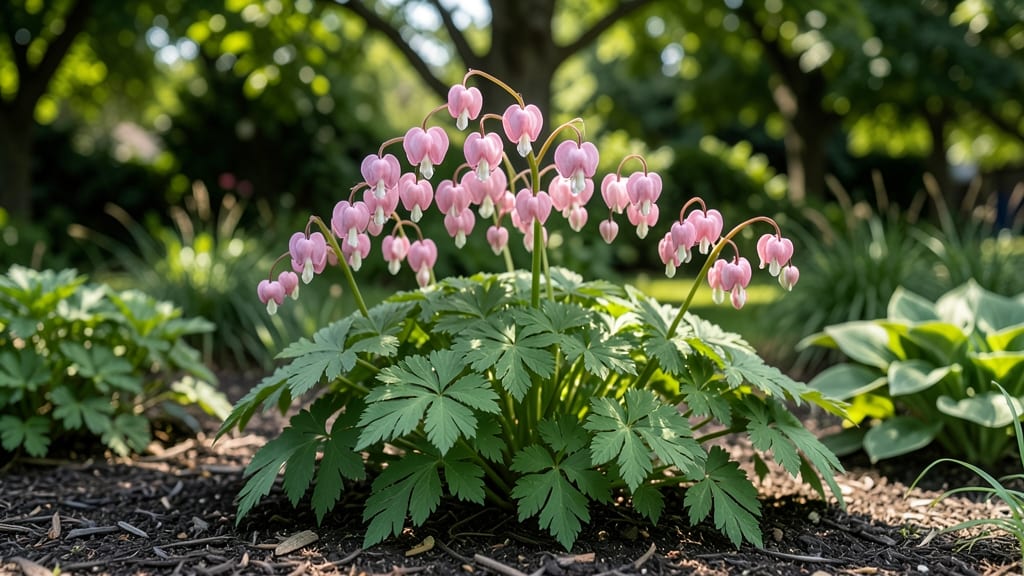
Bleeding heart flowers bloom in early spring, their delicate 💖 shapes lighting up gardens from March through May — but the exact timing depends on your USDA zone.
If you’ve ever wondered why your Dicentra spectabilis vanishes for months only to return with heart-shaped blooms, timing is everything—and it’s all about your USDA hardiness zone.
In Zone 6, where these plants thrive, the first flush of blooms typically arrives in late March to April, with a second, lighter show in early summer if conditions are right.
Warmer zones like 7-9 may see blooms as early as February, while cooler zones (3-5) might wait until May.
Below, I’ll break down the exact bloom windows by zone, share tips to coax a second bloom, and pair your bleeding hearts with shade-loving companions that keep your garden vibrant year-round.
Bleeding heart flower bloom time by USDA zone: exact months for first and second blooms
Timing is everything when it comes to bleeding heart flowers (Dicentra spectabilis). These spring ephemerals burst into bloom just as winter fades, but their exact schedule depends on your USDA hardiness zone.
Understanding these bloom windows helps you plan your garden for maximum impact—whether you're chasing the first pink or white heart-shaped flowers or hoping for a rebloom later in summer.
Most gardeners expect a single spring show, but with the right care, bleeding hearts can rebloom in late summer. The key lies in your local climate and how you adjust care after the first flush of flowers.
Let’s break down the exact bloom months by zone, including regional variations that can shift timing by weeks.
🌱 Pro Tip: Microclimates matter! A north-facing garden in Zone 6 may bloom 2-3 weeks earlier than a south-facing spot just a few blocks away. Keep this in mind when planning your shade garden layout.
In USDA Zones 3-4, the cold spring often delays blooms until late May or early June. These zones are the least likely to see a rebloom, but if your summers are cool and moist, you might coax a few late-July flowers with proper care.
I’ve seen this happen in Michigan’s Upper Peninsula, where gardeners add extra mulch and avoid pruning too aggressively.
Gardeners in Zones 5-6 enjoy the most reliable two-bloom seasons. The first flush arrives in April or early May, and with deadheading and consistent watering, you’ll often see a second round in June or July.
This is the sweet spot for bleeding heart reblooms, and it’s why so many gardeners plant them in Zone 6 gardens like mine.
Warmer zones (7-9) have an advantage: earlier blooms in February or March! However, the heat and dryness of summer can stress these plants, making reblooms less reliable.
In Zone 9, I’ve noticed that afternoon shade is critical—without it, the foliage can scorch before the second bloom even forms. A light layer of mulch helps retain moisture and keeps roots cool.
Regional variations can shift these timelines by 1-3 weeks. For example, Pacific Northwest gardens in Zone 7 might bloom in late February, while Midwest gardens in the same zone wait until early April.
Always check your last frost date and adjust expectations accordingly. If you’re in a coastal area, expect milder winters and earlier blooms compared to inland zones.
Microclimates play a huge role too. A north-facing garden stays cooler and may bloom 2-3 weeks earlier than a south-facing bed. If your bleeding hearts are near a stone wall or brick patio, they might bloom later due to heat retention.
Test your soil’s moisture level—consistently damp soil encourages longer blooms, while dry spells can cause buds to drop.
For reblooms, timing is critical. Once the first flowers fade, prune back 1/3 of the plant to encourage new growth. In Zones 5-6, this usually triggers a second bloom in June or July.
In warmer zones, you may need to water deeply 2-3 times per week to prevent stress. I’ve found that fertilizing lightly with a balanced 5-10-10 in early summer can also boost rebloom potential.
💖 Design Tip: Pair bleeding hearts with hostas or ferns for a long-lasting shade garden. While the bleeding hearts bloom in spring,
How to extend bleeding heart bloom time: pruning, fertilizing, and light adjustments
Your bleeding heart flowers (Dicentra spectabilis) can put on a stunning spring show, but with the right care, you can coax them into a second bloom later in the season.
The key lies in understanding their natural growth cycle and making small adjustments to light exposure, pruning techniques, and nutrient timing. Unlike many perennials, bleeding hearts respond well to gentle encouragement, especially when it comes to soil health and deadheading.
First, let’s address the biggest misconception: bleeding hearts don’t love full sun. While they thrive in partial shade, too little light can weaken stems and reduce blooms.
The trick is finding that sweet spot—morning sun with afternoon shade—which keeps foliage lush without stressing the plant during peak heat. This balance is critical for prolonged flowering, especially if you’re aiming for a summer rebloom.
Don’t overlook the power of seasonal pruning. After the first bloom cycle, cut back 1/3 of the oldest stems to encourage new growth. This rejuvenates the plant and sets the stage for a potential late-summer rebloom.
In colder zones (3-5), wait until spring to prune—never cut back in fall, as this can damage dormant buds.
For second blooms, focus on light fertilization in early summer (June) with a low-phosphorus formula (like 10-10-10). Pair this with consistent moisture and afternoon shade to prevent stress.
In my Zone 6 garden, this method has extended my bleeding hearts’ flowering season by up to 6 weeks, giving me blooms from April through June.
Remember, bleeding hearts are low-maintenance perennials, but they reward attention to detail. The goal isn’t to force blooms but to create ideal conditions for their natural cycle.
With these adjustments, you’ll enjoy healthier foliage, longer bloom periods, and plants that thrive for decades—all while keeping your garden looking effortlessly lush. 🌿