
Blooming
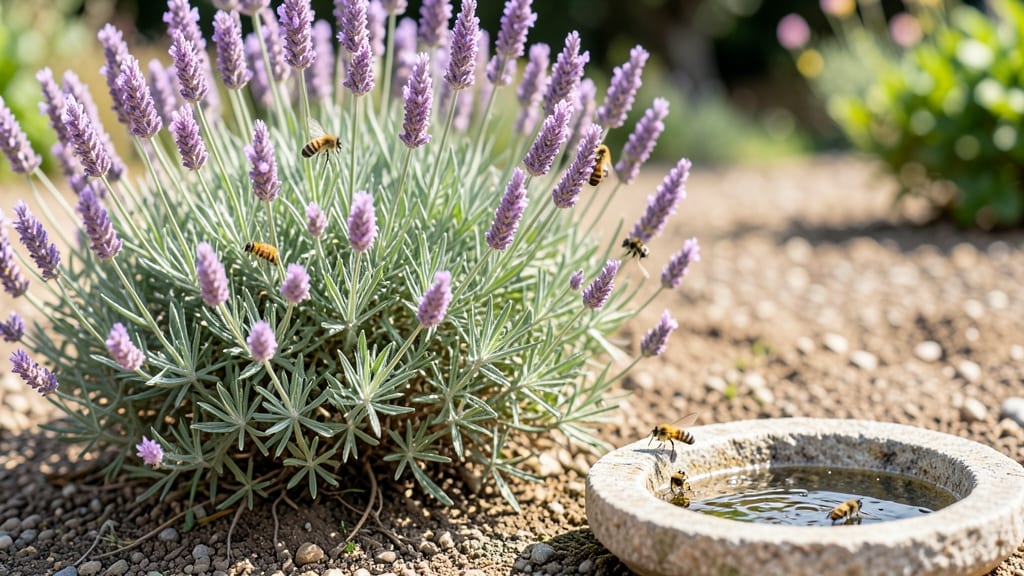
Your garden can buzz with life while looking like a purple dream. 🌸 A bloom and bee design transforms any space into a pollinator paradise where flowers explode with color—and bees never leave.
I’ve designed these gardens for years, and the secret isn’t just planting flowers—it’s creating a year-round buffet that triggers reblooms when temperatures rise. The magic happens with layered plants: early spring bloomers like lavender and salvia kick things off, while late-season asters and coneflowers keep bees fed until frost.
Purple spikes—like Russian sage or catmint—draw pollinators from dawn till dusk, and their heat-triggered reblooms mean more flowers when bees need them most. You’ll see bumblebees, honeybees, and butterflies flocking in waves, and your garden will stay vibrant long after store-bought bouquets wilt.
By summer’s end, you’ll have a garden that’s both a feast for the eyes and a lifeline for pollinators. The air hums with activity, and the scent of blooms lingers even as the sun sets.
This isn’t just gardening—it’s creating a tiny ecosystem where every plant plays a role, and every visitor has a purpose. Start small with a single purple-themed bed, or go bold with a full pollinator pathway. Either way, your garden will thrive—and so will the bees.
Let’s get those purple spikes planted!
📚 In This Guide
- What you need
- Instructions
- Tips and common mistakes
- Wrapping up and next steps
What you need
- ● Perennial flowers: 5–7 plants of Echinacea purpurea (purple coneflower), Salvia nemorosa (perennial sage), and Lavandula (lavender). Choose heat-tolerant varieties like 'Magnus' coneflower or 'May Night' salvia.
- ● Annuals for rebloom triggers: 3–5 packs of Cleome hassleriana (spider flower) or Zinnia elegans (zinnia) for summer heat spikes.
- ● Soil amendments: 5 lbs compost (for planting)
- ● 2 lbs slow-release fertilizer (10-10-10 ratio)
- ● 1 lb perlite or vermiculite (for drainage)
- ● Mulch: 2–3 bags wood chips or straw (to retain moisture and suppress weeds).
- ● Watering tools: 1 drip irrigation kit (with timers for efficiency)
- ● 1 garden hose (with adjustable nozzle)
- ● 1 garden trowel (for planting)
- ● 1 pruning shears (sterilized)
- ● 1 hand fork (for loosening soil)
- ● 1 measuring tape (to plan spacing)
- ● 1 gloves (for protection)
- ○ Optional: soil pH test kit (to ensure optimal conditions, 6.0–7.0 range).
- ● Full-sun location: 6+ hours of direct sunlight daily (critical for heat-triggered reblooms!).
- ● Well-draining soil: Amend clay soil with sand or compost if needed.
- ● Bee-friendly zone: Avoid pesticides! Opt for neem oil or soapy water for pest control.
- ● Patience: Perennials may take 1–2 years to reach full bloom potential.
Step-by-step instructions for designing a bee-friendly purple garden
Here’s how to create a vibrant, bee-magnet garden that blooms purple year-round with heat-triggered rebloom secrets.
🌱 Step 1: Select Heat-Responsive Purple Plants
Start with purple coneflowers (Echinacea purpurea), beebalm (Monarda didyma), and salvia (Salvia nemorosa)—all heat-tolerant and bee favorites. These plants naturally trigger rebloom when temperatures rise above 75°F, producing fresh purple spikes after summer dormancy. I like to mix three coneflowers with two beebalm and one salvia for balanced color and bloom cycles.
Check your zone’s last frost date and plant these in early spring or fall—they establish roots better when soil temps are cool. If you’re in a hotter climate, plant in late summer to avoid early heat stress. The key is giving them time to root before summer’s peak.
🪴 Step 2: Plant in Well-Draining, Nutrient-Rich Soil
Dig a hole twice as wide as the root ball but only as deep as the container it came in. Loosen the sides of the hole to help roots spread. Amend the soil with compost (about 1 gallon per plant) to boost nutrients without overfeeding—too much nitrogen makes plants leggy and less heat-tolerant.
Space plants 18-24 inches apart to allow airflow, which prevents fungal diseases that thrive in humid summer heat. I always add a handful of perlite to the planting hole to improve drainage—purple perennials hate soggy roots. Water deeply right after planting to settle the soil around the roots.
☀️ Step 3: Position for Maximum Sun and Heat Tolerance
Place your purple plants in full sun (6+ hours daily)—they’ll reward you with bigger, bolder blooms. If your summers are brutal (think 90°F+), provide afternoon shade with a 50% shade cloth during peak heat. Watch for drooping leaves—this is your cue to water deeply but less frequently.
Group plants with similar sun needs together. For example, pair coneflowers (which handle heat well) with beebalm (which may need slight afternoon shade in Zone 8+). Mulch with 2-3 inches of wood chips to keep roots cool and retain moisture—this is especially critical in the first year while plants establish.
💧 Step 4: Water Strategically for Heat-Triggered Rebloom
Water deeply once a week (or when the top 2 inches of soil feel dry) to encourage deep root growth. Shallow watering stresses plants and reduces their ability to rebound after summer dormancy. I use a soaker hose to deliver water slowly at the base—this prevents fungal issues and keeps blooms clean for bees.
Stop watering two weeks before the first frost to harden off plants for winter. In late summer, reduce water slightly to let foliage dry out—this signals plants to prepare for dormancy, setting them up for a stronger rebloom the following spring. If you see yellowing leaves, it’s often a sign of overwatering in hot weather.
✂️ Step 5: Prune and Deadhead for Continuous Blooms
After the first flush of blooms fades, cut back spent stems to 6 inches tall in early summer. This encourages heat-triggered rebloom by redirecting energy to new growth. Avoid heavy pruning after mid-July—plants need time to regenerate before winter. I always use clean, sharp shears to prevent disease spread.
Deadhead wilted purple flowers regularly to keep the garden looking tidy and encourage more blooms. Bees love fresh flowers, so I leave a few spent blooms on coneflowers—their seeds provide winter food for birds. In fall, cut back beebalm to the ground, but leave salvia and coneflowers upright for winter interest.
Tips & tricks for perfect year-round purple blooms
These practical insights will help you create a thriving bee-friendly garden that keeps blooming purple through every season.
Plant Pairing Strategy: The 3:2:1 ratio of coneflowers to beebalm to salvia isn't arbitrary—it balances bloom times and heat tolerance. Coneflowers handle summer heat best, beebalm thrives in moderate conditions, and salvia provides late-season color. I've found this mix ensures continuous blooms from early summer through fall, giving bees a steady food source.
Soil Prep Secret: When amending with compost, focus on quality over quantity. Too much nitrogen-rich compost (like fresh manure) actually weakens heat tolerance. I use well-aged compost and supplement with perlite for that perfect drainage—this prevents the root rot that can kill your purple perennials during summer's peak heat.
Heat Management Hack: That 50% shade cloth during 90°F+ days isn't just about protecting leaves—it's about preserving energy for rebloom. I've seen gardens where homeowners skipped this and ended up with plants that completely stopped flowering. The shade keeps roots cooler, which maintains the plant's ability to trigger that second bloom cycle when temperatures rise above 75°F.
Pruning Precision: The early summer cut-back to 6 inches might seem drastic, but it's essential for heat-triggered rebloom. This timing forces the plant to redirect its energy into new growth rather than seed production. I always use sterilized shears to prevent fungal infections that can spread through fresh cuts—especially important in humid summer conditions.
Pro Tips for Bloom And Bee
- These practical insights will help you create a thriving bee-friendly garden that keeps blooming purple through every...
- Plant Pairing Strategy: The 3:2:1 ratio of coneflowers to beebalm to salvia isn't arbitrary—it balances bloom times a...
- Soil Prep Secret: When amending with compost, focus on quality over quantity. Too much nitrogen-rich compost (like fr...
Frequently asked questions
Got questions about creating a bloom-and-bee garden that keeps popping with color? We’ve got answers!
Whether you’re curious about timing, plant pairings, or troubleshooting, here’s what you need to know to keep those purple spikes blooming all season long.
How do I trigger the heat-induced rebloom in my garden?
Most bloom-and-bee plants (like Salvia nemorosa or Lavandula) rebloom when they experience a hot summer day (85°F+) followed by cooler nights (60°F or lower). Prune back spent blooms after the first flush, then water deeply but infrequently to encourage stress tolerance—this mimics natural conditions and signals the plant to rebloom!
When is the best time to plant for year-round blooms?
For a bloom-and-bee garden, plant perennials in early spring (after the last frost) or early fall (6–8 weeks before frost). This gives roots time to establish before extreme heat or cold. Annuals (like Cleome) can go in after soil warms (60°F+), but pair them with perennials for continuity. Pro tip: Mulch heavily to regulate soil temp!
Which plants attract the most bees but still fit the ‘purple spikes’ aesthetic?
Stick to bee magnets with vertical blooms like:
- Salvia ‘May Night’ (deep purple, drought-tolerant)
- Lavender ‘Grosso’ (fragrant, heat-loving)
- Russian Sage (Perovskia) (silvery foliage + purple plumes)
- Catmint (Nepeta) (reblooms like crazy!)
My garden isn’t reblooming—what’s wrong?
Check these 3 common culprits:
- Overwatering: Too much moisture stresses plants. Let soil dry between waterings.
- Poor pruning: Cut back after blooms fade (never into old wood).
- Nutrient deficiency: Feed with low-nitrogen, high-phosphorus fertilizer (like 5-10-10) in early spring.
Can I use containers for a bloom-and-bee garden?
Choose large pots (12"+ diameter) with drainage holes and fill with well-draining soil. Top picks for containers:
- Dwarf Salvia ‘Hot lips’ (compact, heat-triggered)
- Creeping Thyme (ground cover + bee food)
- Mini Lavender ‘Hidcote’ (fragrant and tidy)
Wrapping up and next steps
Creating a bloom-and-bee garden that bursts with year-round purple spikes and clever heat-triggered reblooms is totally within reach—no green thumb required! 🌸 With the right plants, timing, and a few pro tricks, you’ll turn your space into a buzzing, vibrant haven that keeps bees happy and your heart full.
The key? Start small, observe your garden’s rhythm, and let nature do the magic.
Ready to dive in? Pick one technique from this guide—whether it’s deadheading, soil tweaks, or strategic plant pairings—and try it this season. Watch as your garden reblooms with confidence, and soon, you’ll be the neighborhood’s go-to for purple perfection and pollinator paradise! 🐝✨