
Blooming
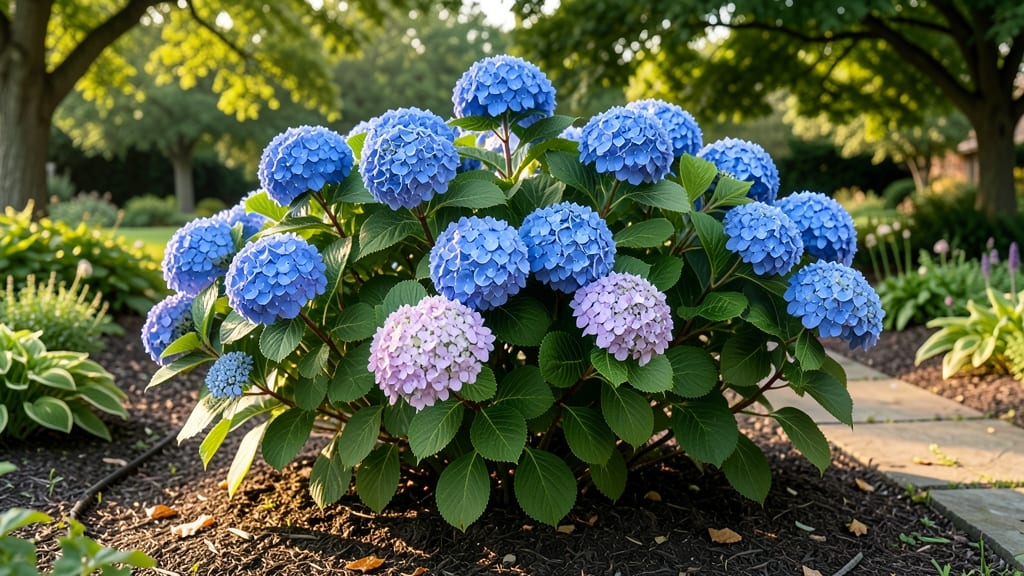
Your Bloomstruck hydrangea’s bloom time arrives like clockwork—if you know the secret. 🌸 These showstoppers typically bloom twice a year: once in late spring (May-June) and again in mid-to-late summer (August-September), but only if you deadhead correctly.
The first flush is the biggest, while the second is a bonus that keeps your garden vibrant long after others have faded.
Climate plays a huge role—southern gardeners often see earlier blooms (June and August), while northern zones might push everything back by 2-4 weeks. The trick? Pruning at the right time (right after the first flush) and removing spent blooms consistently.
I’ve seen Bloomstrucks in Zone 5 still flowering in October with proper care—it’s like they’re in a race to outlast the season.
Here’s the magic: deadheading spent blooms within 24 hours of wilting triggers new growth, extending that second flush by 4-6 weeks. The result? A garden that stays lush and colorful when other hydrangeas are already putting on their winter coats.
It’s not just about timing—it’s about understanding how these plants want to grow.
Works in containers or garden beds, for both new and experienced gardeners. The only requirement? A little patience and a sharp pair of pruners. Let’s make your hydrangeas the talk of the neighborhood all summer long.
📚 In This Guide
- What you need
- Instructions
- Tips and common mistakes
- Wrapping up and next steps
What you need
- ● Bloomstruck Hydrangea Plant: 1 mature plant (ensure it’s healthy and well-established for reblooming).
- ● Pruning Shears: 1 pair of sharp, clean bypass pruners (sterilize with rubbing alcohol before and after use).
- ● Gloves: 1 pair of gardening gloves (to protect hands from thorns and sap).
- ● Compost or Mulch: 5–10 gallons (for enriching soil and retaining moisture).
- ● Balanced Fertilizer: 10–20–10 NPK ratio (follow package instructions for dosage).
- ● Watering Can or Hose: With a gentle spray nozzle (hydrangeas love consistent moisture!).
- ● Plant Food: Acid-loving plant fertilizer (e.g., Miracid or Holly-tone) to boost bloom vibrancy.
- ● Mulch Mat or Landscape Fabric: To suppress weeds and retain soil moisture.
- ● Garden Twine or Stakes: For supporting heavy blooms (especially in windy areas).
- ● pH Test Kit: To monitor soil acidity (ideal range: 5.0–6.0 for hydrangeas).
- ○ Pruning Sealant (Optional): For large cuts to prevent disease entry.
How to extend Bloomstruck hydrangea bloom time through strategic deadheading
Turn your hydrangea’s one-season show into a year-round spectacle with these science-backed deadheading techniques.
✂️ Step 1: Identify Bloom Types and Their Unique Deadheading Needs
Bloomstruck hydrangeas produce two distinct flower types: old wood blooms (on previous year’s growth) and new wood blooms (on current season’s stems). The key to reblooming lies in understanding which flowers belong to which category. Old wood blooms appear first in spring on last year’s stems, while new wood blooms develop later on this year’s growth.
I always start by examining the plant’s structure. The large, showy blooms at the ends of last year’s branches are old wood flowers—they’ll only bloom once. The smaller, less conspicuous flower clusters forming on new stems are your reblooming potential. Mark these new stems with a soft ribbon or plant tag so you remember which branches to preserve.
✂️ Step 2: Deadhead at the Right Time for Maximum Reblooming
Timing is everything with hydrangeas. For new wood blooms, wait until the flowers have fully faded and turned brown before cutting. This signals the plant that the blooming cycle is complete and encourages it to produce next year’s flower buds. I use clean, sharp pruners to cut back to the first set of five leaves below the faded bloom—this ensures you’re not removing next year’s flower buds.
Never cut into old wood stems unless you’re pruning for shape. These stems won’t rebloom after cutting, and you’ll lose next year’s flowers. The exception is if a stem is dead or diseased—then you remove it completely. Watch for the plant’s natural growth pattern: new stems emerging from the base or mid-stem are your reblooming candidates.
☀️ Step 3: Optimize Growing Conditions for Extended Blooming
Reblooming hydrangeas need consistent moisture and balanced nutrition. Water deeply twice weekly during dry spells, keeping the soil evenly moist but never soggy. I check moisture by sticking my finger 2 inches deep—if it feels dry, it’s time to water. Mulch around the base with 2-3 inches of organic mulch to retain moisture and regulate soil temperature.
Feed your hydrangea with a balanced, slow-release fertilizer in early spring and again after the first flush of blooms. I avoid high-nitrogen fertilizers—they promote leafy growth at the expense of flowers. Instead, I use a 10-10-10 formula to support both foliage and blooms. The goal is to keep the plant healthy enough to produce multiple flower cycles.
🌿 Step 4: Monitor and Adjust for Seasonal Changes
As summer progresses, keep an eye on your hydrangea’s growth. New flower buds for the next blooming cycle form in late summer on the current year’s stems. If you notice stems growing vigorously but not producing flower buds, it’s a sign the plant needs more sunlight. Most hydrangeas thrive in partial shade, but they need at least 4-6 hours of morning sun to set buds properly.
In late summer, I reduce watering slightly to encourage the plant to harden off for fall. This prepares it for winter dormancy and ensures a stronger rebloom next season. Watch for the first frost as your cue to stop deadheading—after that, the plant needs to focus on winter survival rather than producing more blooms.
⏰ Step 5: Plan for Next Season’s Blooms
As the current blooming season winds down, start planning for next year. Take notes on which deadheading methods worked best and which stems produced the most vigorous new growth. I always sketch a simple diagram of my hydrangea’s structure, marking old wood and new wood stems, so I know exactly where to focus my pruning next spring.
In late winter or early spring, before new growth begins, do a light pruning to remove any dead or crossing branches. This keeps the plant’s energy focused on producing strong new stems for the next blooming cycle. The goal is to create an open, airy structure that allows sunlight and air to reach all parts of the plant—this is what encourages those lush, continuous blooms.
Tips & tricks for perfect hydrangea reblooming
These science-backed strategies will help you extend your hydrangea's bloom time like a seasoned gardener.
Visual Identification: When examining your hydrangea in Step 1, look for the distinctive difference between old wood and new wood blooms. Old wood blooms typically have larger, more mature flower heads that appear first in spring, while new wood blooms are smaller clusters that develop later on fresh growth. I use a small magnifying glass to examine the flower buds closely—this helps me spot the tiny new wood blooms that are easy to miss at first glance. The key is to preserve these new stems as they're your plant's future blooming potential.
Pruning Precision: In Step 2, when deadheading new wood blooms, focus on cutting just above the first set of five leaves below the faded bloom. This ensures you're not accidentally removing next year's flower buds that form at leaf nodes. I've made the mistake of cutting too close to the stem, which can eliminate potential blooms. For stubborn stems, I use a small pencil to mark the cutting point before making the snip—this gives me a visual guide to maintain consistency across all stems.
Seasonal Watering Strategy: The twice-weekly watering mentioned in Step 3 works best when you adjust for seasonal changes. During peak summer heat, I increase to daily watering in the early morning to prevent stress. In cooler months, reduce to once weekly. Always check soil moisture by inserting your finger 2 inches deep—this simple test tells me exactly when to water without over-saturating the roots. I've found that maintaining consistent moisture is more important than strict timing, especially during drought periods.
Sunlight Optimization: While hydrangeas thrive in partial shade, the 4-6 hours of morning sun mentioned in Step 4 is crucial for bud formation. If your plant isn't producing new blooms, consider moving it to a slightly sunnier location. I've had success with placing hydrangeas near east-facing windows or under trees that provide dappled shade. The morning sun provides just enough light without the intense heat of afternoon rays that can stress the plant.
Pro Tips for Bloomstruck Hydrangea Bloom Time
- These science-backed strategies will help you extend your hydrangea's bloom time like a seasoned gardener.
- Visual Identification: When examining your hydrangea in Step 1, look for the distinctive difference between old wood and new wood blooms.
- Pruning Precision: In Step 2, when deadheading new wood blooms, focus on cutting just above the first set of five leaves below the faded bloom.
Frequently asked questions
Got questions about Bloomstruck hydrangeas and their magical reblooming cycles? You’re not alone! Here are some of the most common queries—plus quick, actionable answers to keep your plants thriving.
When do Bloomstruck hydrangeas typically bloom?
Bloomstruck hydrangeas usually bloom twice a year: once in early summer (May–June) and again in late summer/fall (August–September). Unlike traditional hydrangeas, their reblooming habit is consistent—thanks to deadheading!
How long does it take for Bloomstruck hydrangeas to rebloom after deadheading?
With proper care, you’ll see new buds forming in 6–8 weeks after deadheading spent blooms. For best results, remove faded flowers right after the first flush (early summer) and fertilize lightly. Patience pays off—reblooms often arrive by mid-summer!
What if my Bloomstruck hydrangea isn’t reblooming?
No reblooms? Check these fixes:
- Deadheading too late: Only prune after the first bloom cycle (never in fall/winter).
- Insufficient sunlight: Bloomstrucks need at least 6 hours of sun daily.
- Over/under-fertilizing: Use a balanced 10-10-10 or bloom-boosting fertilizer in spring.
Pro tip: If buds form but drop, it’s often due to stress (drought, extreme temps). Mulch well and water deeply!
Can I prune Bloomstruck hydrangeas in fall?
Nope! Never prune in fall or winter—this removes next year’s buds. Instead, wait until late winter/early spring (just before new growth starts) to shape the plant. Bloomstrucks are rebloomers, so timing is everything!
Are there alternatives to Bloomstruck for reblooming hydrangeas?
Yes! If you love repeat blooms, try these varieties:
All three thrive with deadheading and similar care. Bonus: ‘Little Lime’ is dwarf-sized—perfect for containers!
Wrapping up and next steps
Mastering the art of Bloomstruck hydrangea bloom time is all about timing, technique, and a little patience! 🌸 By deadheading spent blooms and adjusting care like watering and sunlight, you’ll unlock a second wave of stunning flowers—turning your garden into a year-round showstopper.
The key? Stay consistent and observe your plant’s cues.
Ready to bloomstruck your garden? Grab your pruners, pick a sunny spot, and start experimenting with these hacks. Your hydrangeas—and your neighbors—will thank you! 🌿