
Blooming
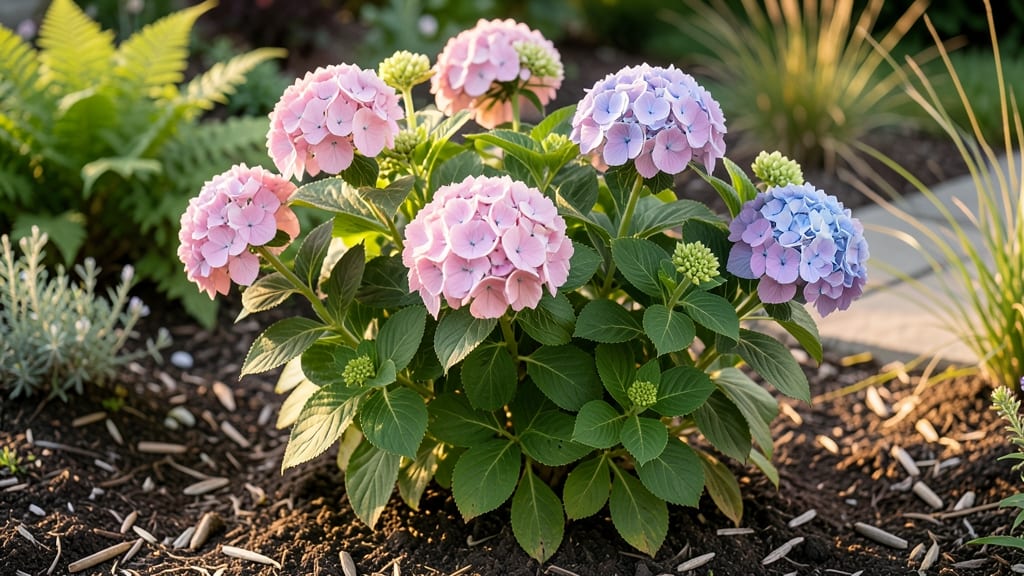
Endless Summer hydrangeas bloom on old wood 🌸, which means last year’s growth holds the buds for their stunning summer reblooms—but only if you prune at the right time.
If you’ve ever wondered why your Endless Summer hydrangeas aren’t reblooming like they should, the answer might lie in when (or if) you pruned last year’s old wood. These prized shrubs thrive on a delicate balance—get the timing wrong, and you could miss out on their stunning summer-to-fall displays.
Unlike panicle hydrangeas, which bloom only on new wood, Endless Summer hydrangeas produce flowers on both old and new growth. This means pruning too late or too aggressively can cut off next year’s blooms before they even form.
In this guide, I’ll walk you through the best pruning timing, how to encourage old-wood blooms, and the 3 common mistakes that kill reblooming—so you can enjoy those long-lasting blooms from summer well into fall.
How endless summer hydrangeas bloom on old wood: the science behind reblooming
The Endless Summer hydrangea is a gardener’s dream because it blooms on both old and new wood, unlike many other hydrangea varieties. This unique trait allows it to produce stunning flowers twice a year—once on last year’s growth and again on fresh spring growth.
Understanding this process is key to unlocking reblooming success every season.
Most hydrangeas, like the Bigleaf hydrangea, bloom exclusively on old wood—meaning they set buds the previous summer and flower the following spring. But Endless Summer hydrangeas break this rule by forming buds on both old stems (from last year) and new stems (current year’s growth).
This dual blooming habit is what makes them so special—and so rewarding for gardeners.
Why old wood matters: The buds on last year’s growth typically bloom first in early to mid-summer, setting the stage for a second flush of flowers from new growth later in the season. If you prune too aggressively in late winter or early spring, you risk removing these old-wood buds before they’ve had a chance to bloom.
Bud formation timeline:
- Late summer/early fall: Buds form on old wood for next year’s early blooms.
- Spring: New buds form on current year’s growth for late-summer blooms.
- Summer: Old-wood buds open first, followed by new-wood blooms.
This two-phase blooming is why timing your pruning correctly is critical. Unlike panicle hydrangeas, which bloom only on new wood, Endless Summer hydrangeas need you to preserve last year’s stems until after they’ve finished flowering.
Dormancy and reblooming: During winter, the plant enters dormancy, but the old-wood buds remain protected. When spring arrives, these buds swell and open first, followed by new growth that will produce the second round of flowers. Pruning too early disrupts this natural cycle.
How pruning impacts blooms: If you cut back old wood in late winter, you remove the buds that would have bloomed in early summer. This doesn’t kill the plant—it just means you’ll miss the first flush of flowers. The plant will still bloom on new wood later, but the reblooming effect is diminished.
Key takeaway: To maximize blooms, wait until after the first flush of flowers (usually late summer) to prune. This ensures you’re not removing old-wood buds that could have produced early-season blooms.
| Bloom Type | Timing | Pruning Impact | Notes |
|---|---|---|---|
| Old Wood Blooms | Early to mid-summer | Remove old wood after blooming | Formed in late summer/fall of previous year |
| New Wood Blooms | Late summer to fall | Prune after first flush to encourage new growth | Formed on current year’s stems |
| Dormant Buds | Winter (protected) | Avoid pruning before blooming | Critical for reblooming success |
The Endless Summer hydrangea’s reblooming ability relies on this two-phase budding system. By understanding when buds form and how pruning affects them, you can ensure your plant puts on a prolonged, vibrant display from early summer through fall.
The key is patience—waiting until after the first blooms fade before making any cuts.
For example, if you prune in February, you’ll miss the old-wood blooms entirely. But if you hold off until late August or September, you’ll preserve those early-season buds while still shaping the plant for next year’s growth.
This balance is what makes Endless Summer hydrangeas a standout performer in any garden.
Next, we’ll dive into the best pruning timing to encourage old-wood blooms without sacrificing new growth—so you can enjoy that endless summer of color year after year.
Best pruning timing for endless summer hydrangeas to encourage old-wood blooms
Endless Summer hydrangeas are famous for their reblooming ability, but only if you protect their old wood—the stems that bloomed last season.
Unlike panicle hydrangeas, these beauties produce flowers on both old and new wood, but the old wood buds form in late summer and need to survive winter. Pruning at the wrong time can mean no blooms next year.
The golden rule? Wait until after flowering to prune. This ensures you don’t accidentally remove the old wood buds that will bloom in summer. If you prune too early, you risk cutting off next year’s show-stopping blooms before they even form.
Let me walk you through the exact timing and steps to keep your hydrangea thriving.
Step-by-Step Pruning Guide for Old-Wood Blooms
-
Step 1: Wait Until Late Summer or Early Fall
Prune 4-6 weeks after flowering (typically September-October). This allows old wood buds to form on last year’s stems.
-
Step 2: Remove Only Dead or Crowded Wood
Cut back no more than 1/3 of the plant. Focus on dying branches or those crossing the center. Avoid heavy pruning—this stresses the shrub.
-
Step 3: Shape Lightly for Airflow
Use clean, sharp pruners to trim just above a leaf node. Open the center to prevent fungal diseases while preserving old wood.
-
Step 4: Avoid Late Winter Pruning
Never prune in late winter (Jan-Feb). This removes old wood buds before they bloom. If you must prune, wait until after flowering in summer.
-
Step 5: Mulch and Water After Pruning
Add 2-3 inches of mulch around the base to protect roots. Water deeply to help the plant recover from pruning stress.
If you prune in late winter or early spring, you’ll miss the old wood blooms entirely. These buds form in late summer on last year’s stems, so cutting them off means no flowers until new growth blooms later (which may not happen until fall).
For maximum blooms, stick to the post-flowering timeline and avoid heavy cuts.
Pro tip: Mark branches with flowering wood using twist ties or flags if you’re unsure which stems bloomed last year. This helps you identify and protect the right branches during pruning.
With the right timing, your Endless Summer hydrangea will reward you with lush, continuous blooms from summer to frost!
Remember, patience is key. The first year after heavy pruning might be lighter on blooms, but your hydrangea will bounce back stronger in years 2 and 3. Happy pruning!