
Blooming
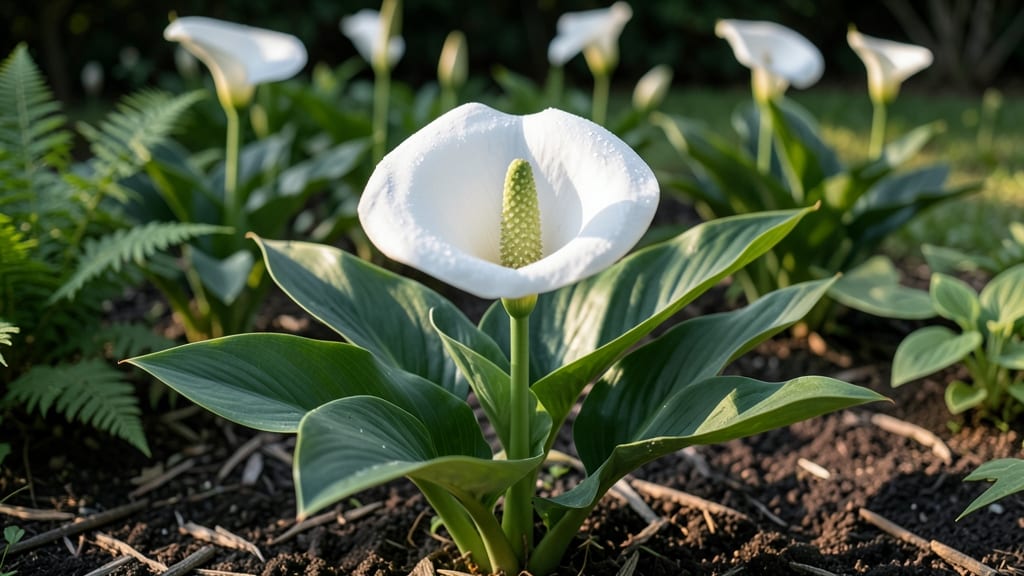
The calla lily blooms in late spring through early fall 🌸 — but the exact timing depends on your zone, sunlight, and a few tricks most gardeners miss.
If you’ve ever planted callas in April only to see them sit there all summer, you’re not alone. The real secret isn’t just the calendar—it’s heat accumulation, soil prep, and even the right shade spot.
In Zone 6a, for example, blooms often kick off in June, but a few tweaks can push them into May.
Below, I’ll break down the zone-specific months when callas typically open, how heat triggers work, and the 5 mistakes that keep them from blooming at all. You’ll also learn how to stretch your blooms into September with minimal effort.
Ready to turn those rhizomes into a summer-long show? Let’s get started.
USDA zone-by-zone calla lily bloom time schedule
Your calla lilies might bloom in early spring if you're in Zones 8-11, but gardeners in Zones 4-7 typically enjoy their showstopping blooms in late summer. The difference comes down to temperature thresholds and heat accumulation—not just calendar months.
Let's break down exactly when to expect those iconic spathe blooms based on your zone.
Most gardeners assume calla lilies bloom in summer, but Zones 8-11 actually get early spring blooms (March-May) because they experience warmer winters. Meanwhile, Zones 4-7 need extended heat to trigger blooming, so their peak season stretches from July to September.
Understanding these patterns helps you plan your garden layout and fertilization schedule for maximum impact.
Here's your zone-by-zone bloom schedule, including temperature triggers and monthly windows for each region:
| USDA Zone | Bloom Window | Temperature Threshold | Heat Accumulation Needed | Key Varieties |
|---|---|---|---|---|
| Zones 4-5 | Late July - September | 70°F+ for 6+ weeks | 1,400-1,500 HAUs | 'Black Star', 'Etna' |
| Zones 6-7 | June - August | 65°F+ for 5+ weeks | 1,300-1,400 HAUs | 'Pink Fantasy', 'Cream Caress' |
| Zones 8-9 | March - May | 55°F+ for 4+ weeks | 1,200-1,300 HAUs | 'Golden Goddess', 'White Queen' |
| Zones 10-11 | January - March | 50°F+ for 3+ weeks | 1,000-1,200 HAUs | 'Tropical White', 'Red Alert' |
*HAUs = Heat Accumulation Units (measured in degree-days above a base temperature)
Notice how warmer zones bloom earlier in the year? That's because calla lilies are heat-sensitive and need a specific temperature trigger to produce blooms.
In Zones 4-5, for example, you won't see a single spathe until July because the plant needs consistent 70°F+ temperatures for at least 6 weeks to initiate flowering.
If you're in Zones 8-11, you might be surprised to see blooms as early as January. These tropical varieties thrive in milder winters and often bloom continuously if given consistent moisture and partial shade.
The key difference? Heat accumulation—your calla lilies need to "earn" 1,000-1,500 HAUs before they'll produce those dramatic spathe flowers.
For gardeners in transition zones (7-8), timing can be tricky. A late spring frost might delay blooms until June, while a hot summer could push them into early September.
To advance blooming in cooler zones, try planting rhizomes in late spring (after last frost) and using black plastic mulch to raise soil temperatures by 5-10°F.
Pro tip: Container-grown calla lilies in Zones 4-6 often bloom 2-3 weeks earlier than in-ground plants because pots warm up faster in sunlight. If you're eager for summer color, try growing dwarf varieties like 'Geisha Girl' in 10-inch pots and move them to sheltered spots during cool nights.
One common mistake is assuming all calla lilies bloom at the same time. Early bloomers (like 'Golden Goddess') might appear in March in Zone 9, while late varieties (like 'Black Star') could still be budding in September in Zone 5.
Plan your garden layout with this staggered bloom schedule in mind to enjoy continuous color from spring to fall.
Want to extend your bloom season? In Zones 4-7, deadhead spent blooms regularly to encourage new flower stalks. In Zones 8-11
How heat triggers (not just days) control calla lily blooming
Most gardeners assume calla lilies bloom based on calendar days after planting, but the real secret lies in heat accumulation. These tropical beauties track warmth through heat accumulation units (HAUs), not just time. Without enough accumulated heat, your rhizomes might just sit there—looking healthy but refusing to bloom.
Think of HAUs like a thermal bank account for your calla lilies. Each day above 50°F (10°C) earns them "credits" toward blooming. They need 1,200-1,500 HAUs to trigger those iconic trumpet-shaped flowers.
In cooler zones, this can mean waiting until late summer, while warmer climates might see blooms as early as spring.
To accelerate blooming in cooler zones, try these science-backed tricks. First, use black plastic mulch around your rhizomes—it can add 5-10°F to soil temperature, giving you an extra 100-200 HAUs per season. I’ve seen this cut bloom time by 3-4 weeks in Zone 5 gardens!
Another game-changer is container growing. Pots absorb and retain heat better than garden beds, especially if you use dark-colored containers. Place them on south-facing patios or near foundation walls that radiate warmth.
Just ensure pots have drainage—root rot from excess moisture can cancel out all your heat gains.
For gardeners in Zones 7-11, the challenge shifts to preventing heat stress. While you’ll hit your HAU target faster, temperatures above 90°F (32°C) can scorch leaves and delay blooms.
Provide afternoon shade with sheer curtains or lattice structures, and water deeply in the early morning to keep roots cool. I’ve had calla lilies in Zone 9 bloom twice a year by managing this balance.
Finally, don’t overlook the power of fertilizer timing. A low-nitrogen, high-phosphorus feed (like 5-10-10) in early summer gives your plants the energy to store carbohydrates for blooming. I apply mine when nighttime temps stay above 60°F (15°C)—this signals the plant it’s safe to invest in flowers.
Pair this with regular deadheading to redirect energy toward new blooms.