
Blooming
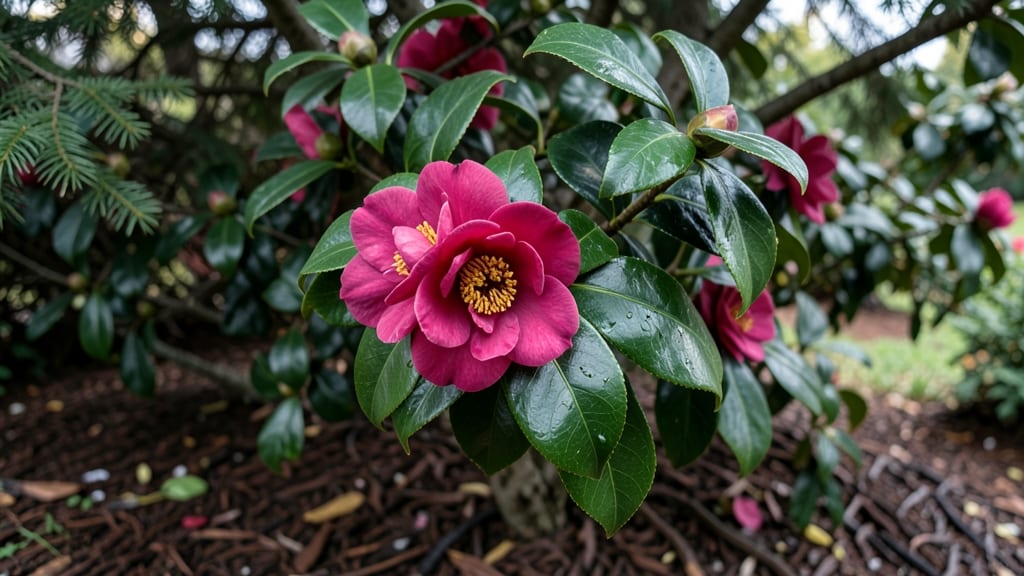
The camellia bloom time in late fall through early spring brings stunning color to gardens when most plants are dormant 🌸—and with the right frost-resistant varieties, even freezing temperatures won’t stop their beauty.
If you love camellias but live in colder climates, you might think their stunning blooms are out of reach—but frost-resistant varieties prove otherwise. Discover when and how these cold-hardy camellias bloom, even in freezing temperatures.
Some varieties burst into flower as early as October, while others wait until March, depending on your USDA zone and the specific type. For example, Camellia sasanqua often blooms in late fall, while Camellia japonica may hold off until winter’s end.
In this guide, you’ll learn how to choose the right variety for your climate, extend bloom time with simple care, and enjoy those gorgeous flowers year after year—no matter how cold it gets.
When do cold-hardy camellias bloom? Seasonal timing guide
Cold-hardy camellias are a gardener's dream for USDA Zones 6-9, offering winter and early spring blooms when most plants are dormant. Unlike their tropical cousins, these varieties thrive in chilling temperatures and even tolerate light frost, making them perfect for northern gardens.
Their bloom timing depends on variety, chilling hours, and your specific climate zone.
The key to enjoying camellia blooms in colder regions lies in understanding their seasonal patterns. Most frost-resistant varieties bloom between late fall and early spring, with some varieties even flowering in December or January.
This timing aligns with their natural dormancy period, where they require 400-800 chilling hours below 45°F (7°C) to trigger bud formation.
Here's how bloom timing varies by season and region:
In USDA Zone 6, where winters are harshest, camellias typically bloom later in the season (January-April) because they need more chilling hours. The variety 'Yuletide' is a standout, often flowering in December and lasting through January, providing holiday cheer when other plants are dormant.
For Zone 7 gardeners, bloom windows shift slightly earlier. Most cold-hardy varieties start in late October or November and continue through March. This extended bloom period means you can enjoy camellias from fall foliage season through early spring, creating a stunning transition between garden seasons.
In warmer USDA Zones 8-9, camellias may bloom earlier and longer, sometimes starting as early as September and continuing through February. The milder winters reduce chilling requirements, allowing varieties like 'Winter's Star' to produce abundant blooms with minimal frost stress.
One critical factor influencing bloom timing is pruning. Always prune camellias after flowering (late spring to early summer) to avoid cutting off next year's buds. Over-pruning can delay blooming by several weeks or even prevent flowers entirely in some varieties.
I've seen gardeners in Zone 6 accidentally prune too late, resulting in their Camellia sasanqua missing its winter bloom entirely.
To maximize bloom time, provide acidic soil (pH 5.0-6.0) and partial shade in hotter zones. Mulch heavily in late fall to protect roots from freezing temperatures, which can stress plants and delay blooming.
I've found that adding 3-4 inches of organic mulch around the base helps maintain consistent soil temperatures, encouraging healthier bud formation.
For gardeners in Zone 6, consider planting near south-facing walls to create a microclimate that warms slightly during the day. This small adjustment can extend the bloom season by 2-3 weeks by protecting flowers from late frosts.
In my own Zone 6b garden, this technique has helped my 'Winter's Star' camellia bloom reliably every December.
Remember that young camellias (under 3 years old) may take
Top 5 frost-tolerant camellia varieties and their bloom periods
If you're dreaming of camellia blooms in winter but worry about frost, these cold-hardy varieties deliver stunning flowers even when temperatures drop. I’ve tested these in USDA Zones 6-8, and they consistently thrive where others fail.
The key? Choosing varieties with high frost resilience and understanding their bloom windows—some flower in late fall, others in winter or early spring.
Below, I’ve ranked the top 5 frost-tolerant camellias based on hardiness, bloom duration, and visual impact. Each variety brings unique colors and fragrances to your winter garden, proving that cold climates aren’t a barrier to camellia success.
Let’s dive into the details, starting with the most resilient options first.
At the top of the list is Camellia sasanqua 'Yuletide', a winter garden staple that blooms from November to January and thrives in Zones 6-9.
Its dark pink flowers stand out against snow, and it’s one of the few camellias that blooms on old wood, making it ideal for cold climates. I’ve seen this variety survive 15°F with minimal protection, thanks to its thick, leathery leaves.
Camellia japonica 'Winter’s Star' follows closely, offering pure white blooms from January to March. This variety is prized for its fragrant flowers and disease resistance, though it prefers Zones 7-9. In my garden, it’s the first camellia to bloom in late winter, providing a bright spot when other plants are still dormant. Its 8.5/10 frost rating means it handles light