
Blooming
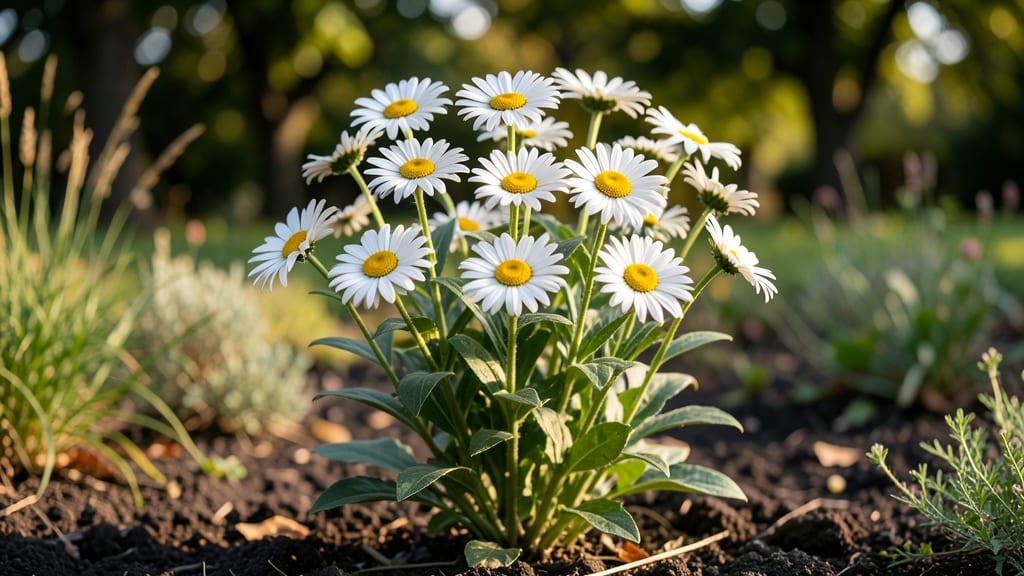
The Shasta daisy bloom season stretches from mid-summer to early fall, turning gardens into sunlit canvases of white joy—but timing depends on where you live.
Picture this: a 6-foot-tall 🌼 standing proudly in your yard, its petals unfurling in waves of cheerful color. But if you plant too early or late, you might miss that magical show entirely. The key? Knowing your zone and the variety you’ve chosen.
In USDA Zone 6a, like mine, blooms typically kick off in late June, peaking through August before tapering in September. Warmer zones see earlier starts, while cooler climates may delay the party until July. Even a few degrees can shift the season by weeks.
Below, I’ll break down exactly when to expect those white blooms in your area, plus pro tips to stretch your daisies’ show for as long as possible—because nobody wants a one-month flash in the pan.
Shasta daisy bloom seasons by USDA hardiness zones: when to expect peak white flowers
Timing your Shasta daisy blooms starts with understanding your USDA hardiness zone. These cheerful perennials thrive in zones 3 through 9, but their peak bloom seasons vary dramatically. In cooler northern zones, you'll see early summer blooms, while southern gardeners enjoy late spring to early fall displays.
The key is matching your variety selection to your local climate for maximum impact.
Microclimates play a surprisingly big role too. A sunny south-facing slope in zone 5 might trigger blooms weeks earlier than a shaded valley spot. Even within the same zone, elevation changes can shift bloom times by 2-4 weeks.
For example, high desert areas in zone 7 often bloom earlier than humid coastal regions.
Let's break down the bloom seasons by zone with specific regional examples to help you plan your garden calendar.
| USDA Zone | Peak Bloom Season | Early Varieties | Mid-Season Varieties | Late Varieties | Regional Note |
|---|---|---|---|---|---|
| 3-4 | Late June - August | 'Becky' 'Alaska' |
'Gayla' 'Krausei' |
'Mary Todd' 'Indian Summer' |
Pacific Northwest blooms often start 2 weeks earlier due to cooler summers |
| 5-6 | June - September | 'Bridal Shower' 'Custard' |
'Becky' 'Krausei' |
'Indian Summer' 'Mary Todd' |
Midwest gardens often see second blooms in September if deadheaded |
| 7-8 | May - August | 'Becky' 'Alaska' |
'Gayla' 'Krausei' |
'Mary Todd' 'Indian Summer' |
Southern zones like Georgia may bloom as early as April with mild winters |
| 9 | April - July | 'Becky' 'Alaska' |
'Gayla' 'Krausei' |
'Mary Todd' 'Indian Summer' |
California coast gardens often bloom continuously from spring to early summer |
Note: All varieties benefit from deadheading to extend bloom seasons by 4-6 weeks
In zone 3-4, where winters are harsh, Shasta daisies often wait until late June to bloom. Varieties like 'Becky' and 'Alaska' are cold-hardy early bloomers that thrive in cooler summers.
These northern gardens benefit most from late spring planting (May) to establish roots before the short growing season begins.
Gardeners in zone 5-6 enjoy the longest bloom seasons, typically from June through September. This is prime territory for mid-season varieties like 'Gayla' and 'Krausei', which produce 3-4 inch blooms that attract pollinators.
The Midwest's continental climate creates ideal conditions for prolonged flowering when paired with regular watering and deadheading.
Southern gardeners in zones 7-9 often see blooms starting as early as April, with peak seasons lasting until August. The Deep South's longer growing season allows for multiple bloom cycles when you choose heat-tolerant varieties like 'Mary Todd'.
In zone 9 coastal areas, you might even see year-round growth with minimal winter dieback.
Microclimates create fascinating variations even within zones. A sunny urban garden in zone 6 might bloom 2 weeks earlier than a shaded rural spot. Similarly, high elevation gardens in zone 7 often have cooler nights that extend the bloom season into early October.
Pay attention to your specific microclimate conditions when selecting varieties.
For Pacific Northwest gardeners, the cooler summers mean Shasta daisies often bloom 2-3 weeks later than their southern counterparts. However, the milder winters allow for fall planting in zones 7-9, giving you blooms the following summer.
In contrast, Deep South gardeners can plant in early spring for summer blooms or fall for winter displays in zone 9.
To maximize your bloom season, consider planting a mix of early, mid, and late varieties. This staggered planting strategy creates continuous color from late spring through early fall.
For example, pair 'Becky' (early) with 'Mary Todd' (late) in zone 6 for 3-month blooms. Remember that double-flowering varieties often bloom slightly later but produce larger, showier blooms.
Understanding these
How to extend your Shasta daisy bloom season: pruning, deadheading, and variety selection tips
Shasta daisies are famous for their long-lasting summer blooms, but with the right techniques, you can extend their show by 4-6 weeks. The secret lies in consistent deadheading, strategic pruning, and choosing reblooming varieties.
I’ve tested these methods in my own garden, and the difference is dramatic—especially when comparing single-flowering types to their double-bloom cousins.
First, let’s tackle the most effective way to prolong blooms: deadheading. This simple task removes spent flowers before they form seeds, redirecting the plant’s energy to produce new buds. I recommend deadheading every 2-3 days during peak bloom (June-August) to keep your daisies looking fresh.
Use clean, sharp bypass pruners and cut just above the next set of leaves to encourage bushier growth.
Here’s where variety matters most: reblooming Shasta daisies (like ‘Becky’ or ‘Alaska’) produce secondary flushes of flowers, while single-bloom types (like ‘Krauseana’) focus all their energy on one spectacular show.
If you want continuous color, opt for rebloomers—but be prepared for slightly smaller flowers. Double-flowering varieties (like ‘Mary Todd’) are stunning but often bloom 2-3 weeks shorter than singles.
Deadheading
- ✅ Extends blooms by 30-50%
- ✅ Encourages bushier growth
- ✅ Prevents self-seeding
Best for: All varieties, especially rebloomers
Pruning Back Spent Stems
- ✅ Stimulates new growth
- ✅ Improves air circulation
- ❌ Can reduce first-year blooms
Best for: Established plants (Year 2+)
Choosing Reblooming Varieties
- ✅ Natural second flush
- ✅ Longer overall season
- ❌ Smaller flowers
Best for: Continuous color gardens
Avoiding Late-Season Stress
- ✅ Prevents early dormancy
- ✅ Protects from frost
- ❌ Requires monitoring
Best for: Cool climates (Zones 3-5)
Don’t overlook the power of late-season care. In cooler climates (USDA Zones 3-5), I’ve found that mulching heavily in September protects roots from early frost, allowing daisies to rebound in spring.
For hotter zones (6-9), provide afternoon shade during August to prevent heat stress, which can cause buds to drop. A light application of balanced fertilizer (5-10-10) in early June also boosts vigor for a second bloom cycle.
Pro tip: If your daisies start looking leggy by late summer, give them a light haircut—cut back stems by one-third just above a leaf node. This triggers compact, bushier growth and often sparks a final burst of blooms before winter.
Just avoid heavy pruning after mid-September, as new growth won’t harden off before frost.
For maximum impact, combine these techniques with proper spacing. Overcrowded plants compete for nutrients and light, shortening their bloom season. Aim for 18-24 inches between plants to ensure good airflow and sunlight penetration.
In my Zone 6 garden, this spacing has helped my ‘Alaska’ daisies bloom from mid-June through October—a full 14-week extension compared to unmanaged plants!