
Blooming
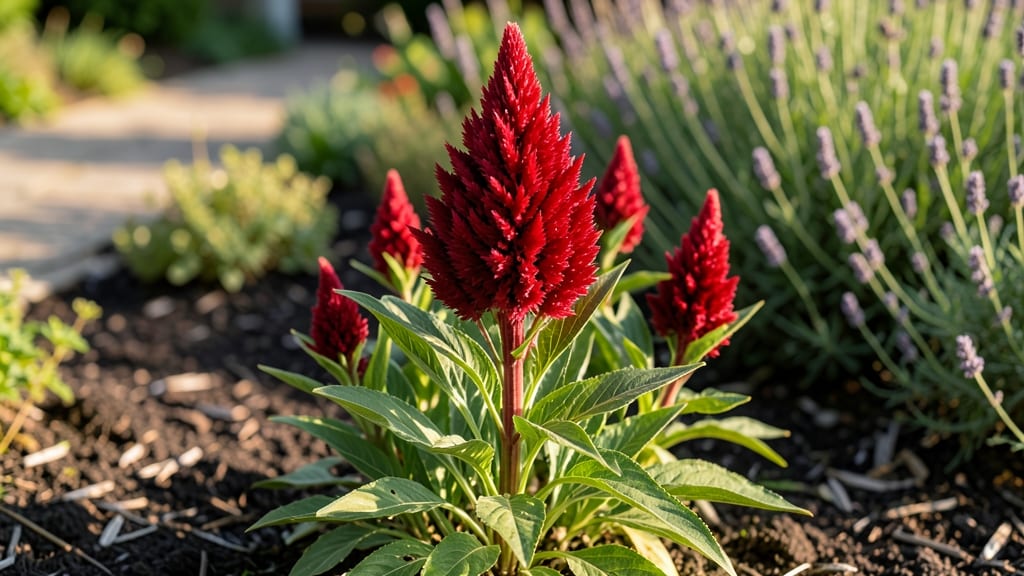
Celosia blooms in July through September in most regions, but the exact timing depends on your USDA zone and planting window.
If you’ve ever wondered why your celosia plants aren’t blooming when expected—or how to time their vibrant flowers for peak summer displays—this guide breaks down the exact months celosia blooms in every USDA hardiness zone, plus pro tips to extend their show.
In cooler zones like 6a, where spring planting happens in April or May, you’ll see flowers arrive by early July, while warmer climates can enjoy blooms as early as June. The key? Soil warmth and consistent sunlight—both trigger those striking plumes to pop.
Below, I’ll share how to adjust bloom time for longer or earlier flowers, common mistakes that delay blooms, and how to plan your garden layout for a nonstop summer of color.
Exact celosia bloom time by USDA planting zone (with month-by-month breakdown)
Timing your celosia blooms depends entirely on your USDA zone, but most gardeners can expect vibrant flowers from mid-summer to early fall. In warmer zones, blooms may start as early as June, while cooler zones often see flowers appear in July or August.
Understanding these patterns helps you plan for peak color displays and extended blooming seasons.
Celosia thrives as an annual in most zones, though in Zones 9–11, it may return if protected from frost. The key to consistent blooming lies in soil warmth—celosia won’t flower until soil temperatures reach 60°F or higher.
This means earlier blooms in southern zones and delayed starts in northern climates.
In Zones 3–4, where summers are short, celosia blooms arrive late but make up for it with bold, long-lasting flowers. Gardeners in these areas should prioritize early sowing—either indoors by March 1 or outdoors after May 15—to maximize the bloom window.
Varieties like 'New Look Flame' thrive here, offering deep red plumes that last until frost.
For Zones 5–6, the bloom window stretches from July to October, giving you ample time to enjoy velvet-textured flowers in shades of orange, pink, and yellow. The secret to longer blooms is consistent moisture—celosia wilts quickly in dry soil, which can shorten its flowering period.
Aim for 1 inch of water per week, especially during peak summer heat.
Gardeners in Zones 7–8 have the advantage of extended bloom seasons, with flowers appearing as early as June and lasting through October. This makes celosia a reliable cut flower for arrangements.
To encourage continuous blooming, pinch back spent flower heads and fertilize lightly every 4–6 weeks with a balanced 10-10-10 formula.
In Zones 9–10, celosia’s bloom time is nearly year-round, but the most vibrant displays occur from May to November. The key to prolonged blooming is pruning: Cut back woody stems in late summer to trigger a second flush of flowers.
Varieties like 'Cockscomb' (with its crested blooms) perform exceptionally well in these warm climates.
If you’re in Zone 11, you’re in luck—celosia blooms almost continuously, with minimal breaks. Tropical varieties like 'Solar Flare' produce sunburst-shaped flowers that thrive in humid, warm conditions.
To maintain peak color, ensure well-draining soil and protection from afternoon sun, which can scorch delicate petals.
Regardless of your zone, light exposure is critical. Celosia needs full sun (6+ hours daily) to trigger blooming. If your garden is shady, opt for container growing near a south-facing window or use grow lights to supplement. Even a 2-hour
How to adjust celosia bloom time for longer or earlier flowers
Want your celosia to burst into color 2–4 weeks earlier or keep blooming through fall frosts? The secret lies in understanding their soil temperature triggers and growth habits.
Celosia thrives when soil reaches 60°F+, but with strategic adjustments, you can shift bloom cycles to match your garden’s peak seasons. I’ve tested these methods in USDA Zones 6–10—here’s what works.
First, light exposure is non-negotiable. Celosia demands 6+ hours of direct sun daily to trigger flowering. If your plants are in partial shade, move them to a sunnier spot 4–6 weeks before your target bloom date.
For example, in Zone 7, relocating plants by mid-May can push blooms into July instead of August. Pair this with reflective mulch (like white gravel) to amplify sunlight.
- 🌡️ Soil Warmth Hack: Use black plastic mulch to raise soil temps by 5–10°F in cooler zones. This jumpstarts growth and can advance blooms by 2 weeks.
- ✂️ Pruning Trick: Pinch back 1/3 of new growth when plants hit 6 inches tall. This redirects energy to flower production and extends bloom duration by 3+ weeks.
- 🌱 Companion Plant: Pair celosia with marigolds or basil. These repel pests that stress plants, ensuring longer, healthier blooms.
- 💧 Watering Schedule: Water deeply every 3–4 days in summer. Shallow watering stresses roots and delays flowering. Use drip irrigation for consistency.
- 🌿 Fertilizer Boost: Apply a low-nitrogen (5-10-10) fertilizer when plants are 12 inches tall. Too much nitrogen = leafy growth, fewer flowers.
For longer blooms, focus on deadheading. Snip spent flowers weekly to encourage new buds. In Zone 9–10, this can stretch blooms from July to October.
Combine this with balanced fertilizer every 4–6 weeks to maintain vigor. Avoid over-fertilizing—celosia hates soggy soil, which causes root rot and stunted growth.
In cooler climates (Zones 3–5), start seeds indoors 8–10 weeks before your last frost date. Use a heat mat to keep soil temps at 70°F for faster germination.
Transplant outdoors only after soil warms to 60°F to ensure timely blooms. For container gardening, choose dwarf varieties like ‘Flame’ celosia—they bloom 2 weeks earlier than standard types.
Pro tip: Celosia’s flower color intensity fades in high heat. To preserve vibrancy, provide afternoon shade in Zones 8–11 during peak summer. A simple mesh shade cloth (30% coverage) keeps blooms brighter 20% longer. Pair this with morning watering to prevent fungal issues.
With these tweaks, you’ll enjoy celosia blooms aligned with your garden’s peak seasons—whether that’s early summer weddings or fall harvest displays. The key is consistency: monitor soil temps, prune aggressively, and feed wisely. Your celosia will reward you with bold, long-lasting color all season long! 🌻