
Succulent
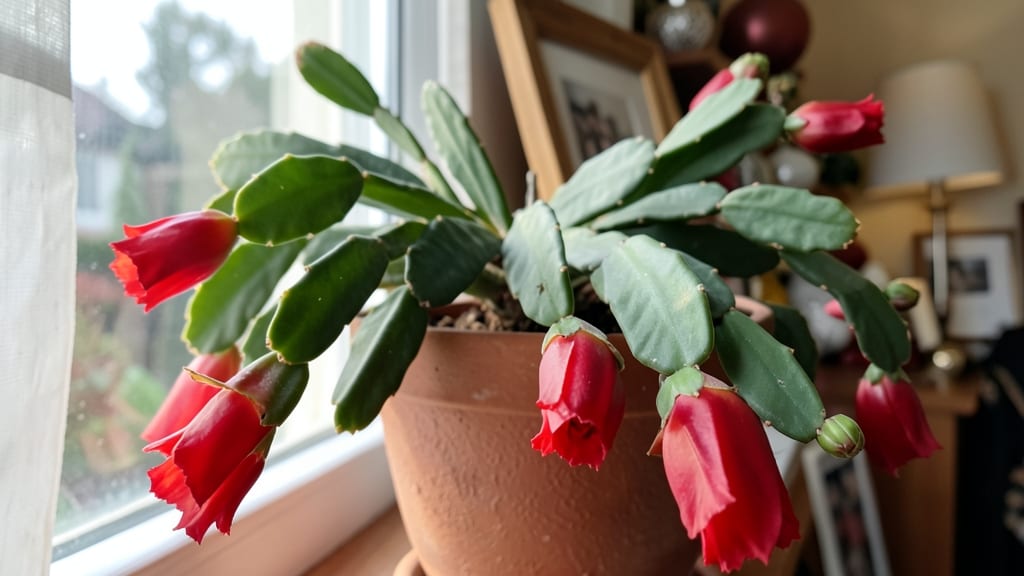
How light triggers Christmas cactus blooms: the science behind the magic
Your Christmas cactus (Schlumbergera spp.) doesn’t bloom because it’s "ready"—it blooms because you’ve tricked it into thinking winter has arrived. This tropical plant is a short-day plant, meaning it needs 12-14 hours of uninterrupted darkness each night to trigger flower buds.
Without this signal, it stays in a vegetative state, no matter how much sunlight it gets during the day. The magic happens when you mimic the shorter days of late fall, even if your home is bathed in artificial light 24/7.
Most gardeners assume bright light equals better blooms, but for Christmas cacti, light intensity matters far less than darkness duration. A plant under a grow light blooming as beautifully as one in a sunroom proves this point.
The key isn’t more light—it’s consistent darkness. Even a single hour of light breaking the night cycle can reset the blooming clock, leaving you scrambling to adjust schedules just weeks before the holidays.
🌱
The science behind this photoperiodic response is fascinating. Your Christmas cactus produces a hormone called florigen only when it detects short days. This hormone travels to the plant’s growing tips, where it signals cells to form flower buds instead of new leaves.
Think of it like a biological countdown timer: 6-8 weeks of 12+ hours of darkness equals "go time" for blooms. Miss this window, and you’ll be waiting another year.
Many gardeners accidentally sabotage their plants by leaving porch lights, street lamps, or even TV glow on overnight. Even a faint light can trick the plant into thinking it’s daytime.
That’s why I recommend moving your Christmas cactus to a closet with a small window or covering it with a blackout box during the critical 6-8 week period. The goal is to create a light-tight environment that mimics the long nights of late fall.
🌿
One common misconception is that more sunlight equals better blooms. In reality, your Christmas cactus needs bright but indirect light during the day to stay healthy, but the nighttime darkness is what actually triggers blooming.
Too much direct sun can even scorch the leaves, while too little light weakens the plant, both of which reduce its ability to produce flowers. The sweet spot is east or west-facing windows where the light is gentle but abundant.
If you’re trying to force blooms for a specific holiday, start the 12-hour darkness schedule 6-8 weeks before your target date. For example, if you want Christmas blooms, begin the process in early November. This gives the plant just enough time to form buds and open flowers by December.
Pro tip: Keep a plant journal to track when you start the darkness treatment and when buds appear—this helps you fine-tune your schedule for future years.
🪴
Temperature also plays a supporting role in this process. While darkness is the primary trigger, cooler temperatures (60-70°F) during the dormancy period can enhance bud development. Avoid placing your plant near heaters or vents, as warm, dry air can stress the plant and reduce flowering.
A cool, dark spot—like a basement with indirect light—can actually improve your chances of success. Just make sure the plant isn’t exposed to drafts or sudden temperature swings.
Finally, resist the urge to fertilize during the 6-8 week dormancy period. Fertilizer encourages leafy growth, which competes with the plant’s energy reserves needed for blooming. Save the balanced fertilizer (10-10-10) for early spring when the plant resumes active growth.
Overwatering is another common mistake—let the top 1-2 inches of soil dry out between waterings to prevent root rot, which can weaken the plant and reduce flowering.
Step-by-step light schedule to force Christmas cactus blooms early
Forcing your Christmas cactus to bloom early requires precise control over its light exposure. These tropical plants thrive on short-day conditions, meaning they need 12-14 hours of darkness each night to trigger blooming.
Start this process 8-10 weeks before your desired holiday display to ensure vibrant flowers by December. The key is consistency—even a few extra minutes of light can disrupt the process.
Indoor plants are easier to control since you can manipulate lighting, but outdoor plants may need temporary coverings. Avoid common mistakes like leaving house lights on overnight or placing the plant near streetlights, which can prevent bud formation. Let’s break down the exact schedule to follow for foolproof results.
🌸 8-Week Christmas Cactus Bloom Schedule
- 1 Start the process 8-10 weeks before blooming: Begin on September 20th for December blooms. Place your plant in a cool, dark location (60-70°F) at night.
- 2 Provide 12-14 hours of darkness nightly: Use a black box, aluminum foil, or move the plant to a closet for 12-14 hours. Avoid any artificial light during this period.
- 3 Expose to 10-12 hours of light daily: During daylight hours, place the plant in bright, indirect light (e.g., east-facing window). Avoid direct sunlight, which can scorch the leaves.
- 4 Maintain consistency for 6-8 weeks: Stick to the schedule rigidly. Even one night of extra light can delay or prevent blooming. Use a timer for lights if needed.
- 5 Watch for bud formation: After 6-8 weeks, you’ll see pink or magenta buds forming. This confirms the process is working! Reduce watering slightly to support bud development.
- 6 Adjust for outdoor plants: If your plant is outside, cover it with a dark cloth or box during the required darkness period. Bring it indoors if temperatures drop below 50°F.
- 7 Enjoy your blooms!: Once buds open (typically 4-6 weeks after formation), your Christmas cactus will display stunning flowers for 2-4 weeks. Keep it in a cool, bright location to prolong blooming.
If your plant skips blooming, don’t panic. Sometimes stress from overwatering or inconsistent lighting can delay buds. Try again next year—these plants often bloom more reliably with age. For indoor plants, a grow light timer can automate the process, ensuring perfect conditions every night.
Pro tip: Place your blooming cactus near a window with morning sun to extend the display. The cooler temperatures of fall and winter naturally enhance flower longevity, so embrace the season’s chill for the best results.