
Flowers
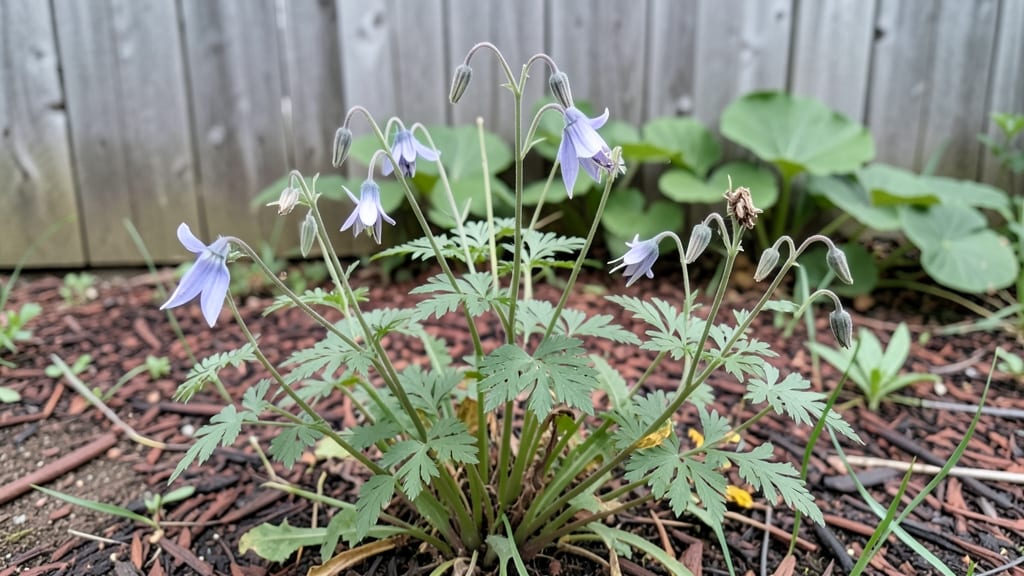
Growing vibrant columbine flower plants🌸 starts with the right pruning secrets—like dead-zone trimming to keep them blooming all season.
If your columbine flowers are fading faster than you’d like, dead-zone pruning could be the secret to extending their vibrant blooms—without sacrificing their charm. This underused technique revitalizes plants while boosting flower production for seasons to come.
Columbine thrives in USDA Zone 6a with spring planting between March and April, but even the best conditions won’t help if you’re missing the pruning window. The key is cutting back overgrown centers while preserving fresh growth, a trick that turns sparse stems into lush, long-lasting blooms.
Below, I’ll walk you through the exact steps—when to prune, what tools to use, and how to spot the difference between healthy growth and dead zones—so your columbine stays blooming longer with minimal effort.
What is dead-zone pruning and how it revives columbine flowers
If your columbine flowers are struggling to rebound after their first flush of blooms, you might be overlooking a game-changing technique: dead-zone pruning. Unlike traditional pruning that focuses on removing dead or damaged stems, this method targets the overgrown center of your plant—where old growth crowds out new shoots.
For columbine plants, this technique unlocks hidden potential by redirecting energy to produce longer-lasting blooms and denser foliage.
Columbines naturally develop a woody base over time, but without intervention, this center becomes a growth barrier. The botanical rationale is simple: by removing congested, non-productive growth, you allow sunlight and air to reach the inner stems, stimulating fresh flowering shoots.
This isn’t just about aesthetics—it’s about revitalizing your plant’s health for years to come.
Here’s the key insight: Dead-zone pruning works best for perennial flowers like columbine because it mimics natural regrowth cycles. Unlike annuals that die back yearly, perennials rely on their root systems to fuel new growth.
When you clear out the dead zones, you’re essentially giving your columbine a second chance to thrive.
But how do you spot a dead zone in your columbine? Look for these visual clues: a crowded center with sparse leaves, woody stems that feel hollow when tapped, or fewer blooms compared to the plant’s outer edges.
These signs indicate your columbine is self-shading, a common issue that stifles growth.
Now, let’s compare the before and after effects of dead-zone pruning using a simple framework. Understanding these differences will help you decide if this method is right for your garden.
The comparison table below breaks down the key differences between unpruned columbine and dead-zone pruned columbine, so you can visualize the transformation firsthand.
The table above shows why dead-zone pruning is a game-changer for columbine plants. By opening up the center, you’re not just cutting back—you’re invigorating the plant’s ability to produce more flowers and healthier foliage.
The best part? This method requires minimal effort compared to traditional pruning, which often involves shearing or radical cutting that can stress the plant.
For columbine flowers, timing is everything. The ideal window to perform dead-zone pruning is early spring, just as new growth begins to emerge. This gives your plant the entire growing season to recover and rebound.
If you miss spring, fall pruning (after blooming season) is the next best option. Avoid pruning in summer, as this can stunt new growth and reduce next year’s flower production.
When you’re ready to prune, focus on removing only the dead zones. Use clean, sharp pruners to make 45-degree cuts just above a leaf node or bud. This encourages new shoots to grow in the right direction.
Avoid cutting into healthy green stems, as this can damage your columbine’s ability to photosynthesize and store energy.
The botanical science behind this method is rooted in apical dominance. When you remove the central growth that’s competing with side shoots, the plant’s hormones shift to
Step-by-step dead-zone pruning guide for columbine plants
Dead-zone pruning is your columbine flower plants’ secret weapon for longer blooms and healthier growth. Unlike traditional pruning, this method targets the overgrown center where old stems crowd out new growth, starving your plant of energy.
By removing just the dead or dying wood, you create space for vibrant new shoots and extended flowering.
Timing is everything—spring and fall are the best seasons to prune. In early spring, you’ll remove last year’s woody stems before new growth starts, while late fall pruning cleans up debris and prevents disease.
The key is to never prune during active bloom—this can shock your plant and reduce flower production.
Your Columbine Pruning Checklist
-
Step 1: Identify Dead Zones
Look for brown, leafless stems in the center of your columbine plant. These are your dead-zone targets. Healthy stems will have green leaves or buds.
-
Step 2: Gather Tools
Use sterilized pruning shears (clean with rubbing alcohol) and sharp bypass pruners for clean cuts. Avoid dull tools that crush stems.
-
Step 3: Cut at the Base
For old wood, cut stems 1/4 inch above ground. For new growth, trim just above a leaf node to encourage branching.
-
Step 4: Remove Seed Heads
Snip off spent blooms and seed pods to redirect energy to new flowers instead of seed production.
-
Step 5: Clean Up
Rake away clippings and debris to prevent fungal diseases. Disinfect tools again after use.
After pruning, your columbine flowers will reward you with fuller blooms and a more compact shape. Focus on new growth emerging from the base—these are your plant’s future flower producers. Avoid over-pruning; remove only 20-30% of the plant’s volume to prevent stress.
For container-grown columbines, dead-zone pruning is even more critical. Crowded roots and stems lead to poor air circulation, inviting pests and disease. Prune in spring to refresh growth before the peak bloom season (May-July).
Pro tip: Mark your pruning calendar for early spring (March-April) and late fall (October-November). This timing aligns with your plant’s natural growth cycles and maximizes flower longevity for next season.
Watch your columbine plants transform from lanky and sparse to vibrant and bushy—all thanks to this simple, high-impact technique! 🌸