
Blooming
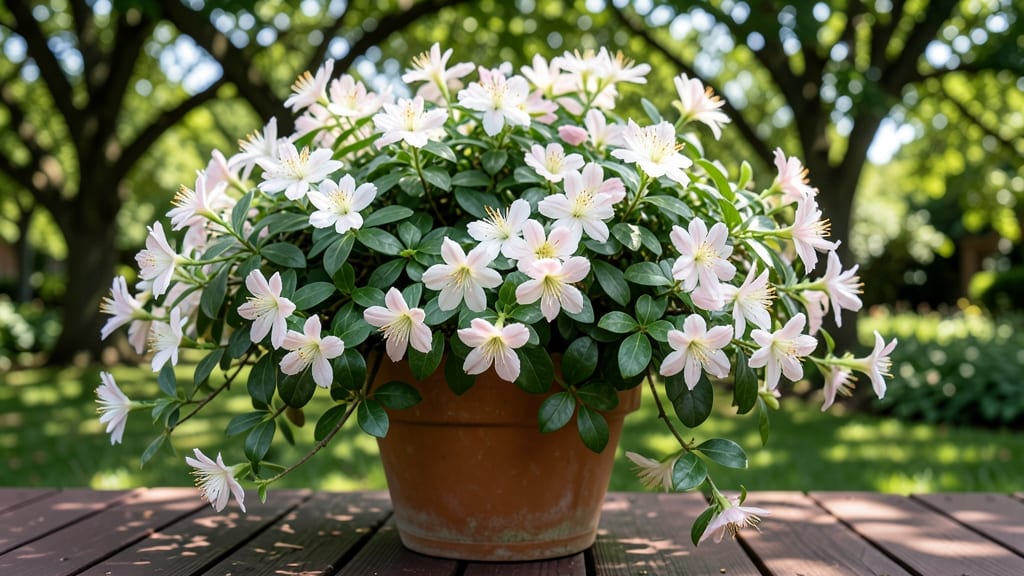
The Confederate Jasmine 🌸 blooms in late spring through summer, with timing that shifts dramatically depending on where you live.
If you love the intoxicating fragrance of Confederate jasmine but struggle to predict when its stunning white blooms will appear, timing is everything—especially since bloom periods vary dramatically by USDA hardiness zone.
In warmer climates like Florida or California, you might see those fragrant flowers as early as March, while gardeners in Zone 7 typically wait until May or even June. The difference comes down to heat needs, sunlight exposure, and even last frost dates.
Below, I’ll break down the exact months for your zone, share the pruning tricks that extend the bloom season, and reveal why this Southern classic is a fragrance powerhouse in any garden.
Confederate jasmine bloom time by USDA Zone: exact months for peak fragrance
Timing your garden for Confederate jasmine (Trachelospermum jasminoides) means knowing exactly when those highly fragrant white blooms will appear. Since this semi-evergreen vine thrives in USDA Zones 7-11, bloom periods shift dramatically—from early spring in cooler zones to late winter in warmer climates.
Understanding these regional variations helps you plan trellises, fragrance gardens, or even wedding arch plantings with precision.
In my Zone 8 garden, Confederate jasmine typically bursts into bloom in late April to early May, filling the air with its intoxicating sweet scent that rivals gardenia.
However, gardeners in Zone 11's coastal regions often enjoy blooms as early as February, while those in Zone 7's inland areas may not see flowers until mid-May. These differences aren't random—they're tied to chilling requirements, local microclimates, and even pruning practices.
For gardeners in Zone 7, where winters are colder, Confederate jasmine often needs warmer soil temperatures (above 60°F) to trigger blooming. This typically happens in mid-May, but early bloomers might appear in late April if planted near south-facing walls that absorb heat.
In contrast, Zone 11 gardeners in Southern California or Hawaii can expect blooms as early as January, with a second, lighter flush in September after summer rains.
One common misconception is that Confederate jasmine blooms only once per year. While the primary bloom period dominates, many vines—especially in warmer zones (9-11)—produce a secondary flush in late summer or fall.
This second bloom is often less abundant but still fragrant. To encourage it, I prune lightly after the first bloom and ensure consistent watering during summer heat.
Regional climate plays a huge role. In humid Florida, blooms may arrive earlier but fade faster due to high heat stress. Meanwhile, in drier California, vines often bloom later but produce longer-lasting flowers thanks to cooler nights.
Even within the same zone, microclimates matter: a vine near a pond or fountain might bloom 2-3 weeks earlier than one planted in full sun without extra moisture.
If you're planning a fragrance garden, note that Confederate jasmine's scent peaks in the early morning during bloom season. For maximum impact, pair it with gardenia (which blooms slightly later) or mock orange (which has a similar timing in Zone 8).
In Zone 10, where blooms start in February, you can extend the fragrance season by planting early-blooming roses nearby.
Pro tip: Prune after the main bloom**
How to extend Confederate jasmine bloom season with pruning and care
Confederate jasmine (Trachelospermum jasminoides) typically blooms in late spring to early summer, but with the right care, you can coax it into multiple bloom cycles throughout the year.
The key lies in strategic pruning, proper watering, and understanding its light needs. These adjustments not only prolong its stunning white flowers but also intensify their intoxicating fragrance.
Start by pruning your Confederate jasmine in late winter or early spring—just before new growth begins. This encourages vigorous spring blooms and sets the stage for potential summer reblooming.
For established vines, a second light pruning in early summer after the first flush of flowers can stimulate a second bloom cycle in fall.
- Step 1: Prune for Spring Blooms
Trim back 1/3 of the vine in late winter (Zones 7-9) or early spring (Zones 10-11). Remove dead or crossing branches to improve airflow and light penetration. - Step 2: Fertilize for Growth
Apply a balanced 5-10-10 fertilizer in early spring and again after the first bloom cycle. Use 1 cup per 10 sq ft and water thoroughly to prevent root burn. - Step 3: Water Deeply and Consistently
Water deeply once a week (or every 3-5 days in summer heat). Avoid wetting the foliage to prevent fungal diseases like powdery mildew. - Step 4: Prune for Summer Rebloom
After the first bloom cycle, trim back lightly (10-15%) to encourage new growth and a potential second bloom in fall. Focus on outer growth to maintain shape. - Step 5: Protect from Frost
In Zones 7-9, cover vines with burlap or frost cloth when temperatures drop below 25°F. Mulch the base with 2-3 inches of organic mulch to insulate roots. - Step 6: Winter Care for Zones 10-11
Reduce watering to monthly and avoid fertilizing. Prune lightly in late winter to remove any damaged growth from mild winter chills.
Confederate jasmine thrives in full sun to partial shade, but for prolonged blooming, prioritize 6+ hours of direct sunlight daily. In hotter climates (Zones 10-11), afternoon shade helps prevent leaf scorch while maintaining bloom production.
If your vine is in partial shade, expect fewer flowers but longer-lasting foliage.
Deadheading spent blooms isn’t necessary for Confederate jasmine, but removing wilted flowers can redirect the plant’s energy toward new growth and potential reblooming.
For a neater appearance, trim back leggy stems after the first bloom cycle to encourage compact, bushier growth—this often triggers a second round of flowers in late summer or fall.
In cooler climates (Zones 7-9), Confederate jasmine may drop its leaves in winter but will regrow in spring. To encourage earlier blooms, plant in a sheltered location where it receives warm afternoon sun.
In warmer zones (10-11), it can bloom year-round with minimal care, though a light pruning in late winter keeps it vigorous.
With these techniques, your Confederate jasmine can transform from a single-spring bloomer to a multi-season fragrance machine. The key is consistency—prune at the right times, water deeply, and protect it from extremes.
Soon, you’ll enjoy its creamy white blooms and sweet jasmine scent for months, not just weeks! 🌸