
Blooming
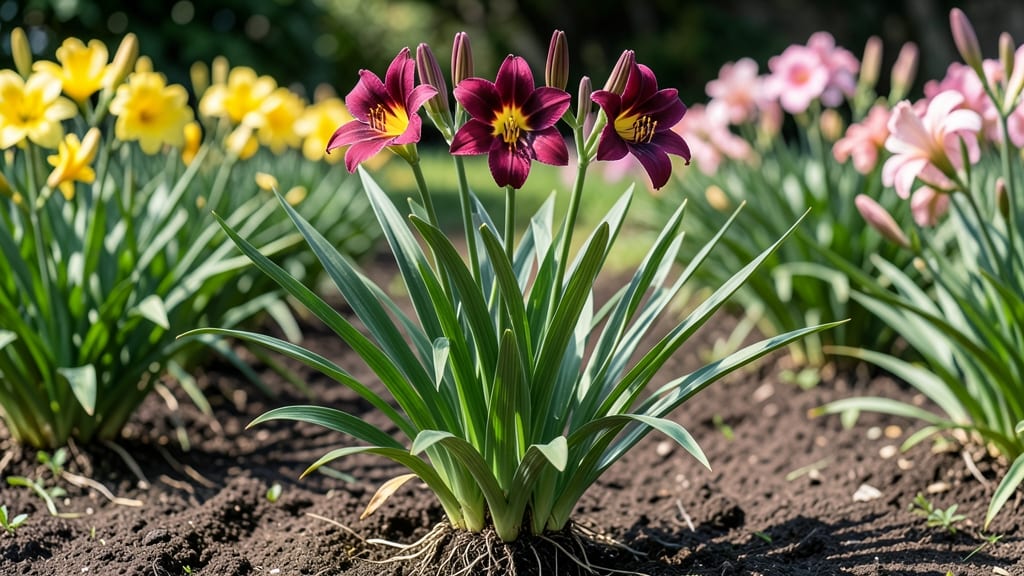
The daylily bloom period stretches from late spring to early fall, turning your garden into a nonstop parade of color 🌸 — but only if you know the tricks to keep those flowers coming.
Picture this: June rolls around, your daylilies burst into bloom, and by July, they’re already fading. That’s the classic one-season show many gardeners settle for — but it doesn’t have to be that way.
With the right heat management, strategic pruning, and a few fertilizer tweaks, you can coax reblooms and enjoy vibrant flowers well into September.
Below, I’ll walk you through the key factors that control bloom timing, how to spot your daylily’s natural cycle, and the simple hacks that turn a single burst of color into a season-long spectacle.
Whether you’re in Zone 6a or a warmer climate, these tips will help you maximize your daylilies’ potential — no matter what variety you’ve planted.
Understanding daylily bloom periods: when and why they bloom
Daylilies are famous for their long-lasting blooms, but not all varieties follow the same schedule. Some burst into color just once in late spring, while others reward gardeners with reblooming flowers throughout summer and even fall.
Understanding these differences helps you choose the perfect daylily for your garden's bloom timeline and climate.
Most daylilies bloom between June and August, but their flowering patterns vary widely. Spring-blooming types put all their energy into one glorious show, while reblooming cultivars produce smaller, later blooms after a mid-summer rest.
The key to maximizing your daylily's performance lies in recognizing these patterns and adapting your care accordingly.
Here's a quick comparison of how different daylily types perform throughout the season:
Your local climate plays a major role in determining when your daylilies bloom. In cooler regions like USDA zones 3-5, blooms often arrive later in the season, sometimes as late as August or September.
Meanwhile, in warmer zones 7-9, many varieties bloom as early as May or June, sometimes stretching into November.
Sunlight exposure directly impacts bloom timing. Daylilies need at least 6 hours of full sun daily for optimal flowering, but too much intense afternoon sun in hot climates can actually shorten bloom periods. In these areas, provide light afternoon shade to prolong flowering and protect petals from fading.
Soil conditions affect both bloom timing and plant health. Well-draining soil rich in organic matter encourages strong root development, which translates to more abundant and longer-lasting blooms.
Conduct a soil test to check your pH levels—daylilies prefer slightly acidic to neutral soil (pH 6.0-7.0)—and amend as needed with compost or peat moss.
Identifying your daylily's bloom type is simple once you know what to look for. Spring-bloomers produce large, showy flowers all at once, while rebloomers start with smaller initial blooms that grow larger in subsequent flushes.
Pay attention to when your plants begin forming flower buds—this gives you a clear indication of their bloom type and helps you plan your care schedule accordingly.
Did you know that the first year after planting, daylilies often produce fewer blooms as they focus on establishing roots? This is completely normal.
By year two or three, most healthy daylilies will reward you with their full bloom potential, especially if you've provided proper sunlight, water, and nutrients.
For gardeners in hot summer climates, understanding your daylily's native growing conditions can help you replicate their ideal environment. Many daylilies originate from temperate regions where they experience distinct seasonal changes.
In areas with consistent heat, consider choosing heat-tolerant varieties like 'Stella de Oro' or 'Happy Returns' that thrive in these conditions.
One common mistake that affects bloom timing is over-fertilizing with high-nitrogen feeds. While nitrogen promotes leafy growth, too much can delay or reduce flowering. Instead, use a balanced fertilizer (10-10-10) or one slightly higher in phosphorus to encourage more blooms without excessive foliage growth.
By understanding these fundamental aspects of daylily bloom periods, you can make informed decisions about variety selection, planting locations, and seasonal care that will keep
Heat and pruning hacks to trigger reblooming daylilies
Daylilies naturally bloom in late spring to early summer, but with the right techniques, you can coax reblooms through fall. The key lies in understanding how heat stress and pruning timing influence their flowering cycle.
Most reblooming varieties need a balance of sun exposure and strategic maintenance to keep producing flowers.
One common mistake is pruning too early or too late in the season. Late-season pruning after the first bloom wave is critical, but timing must align with your local climate.
In hotter regions, daylilies may need extra heat management like mulching and consistent watering to prevent stress. Let's break down the exact steps to maximize reblooms.
Step-by-Step Guide to Extending Daylily Bloom Period
- 1 Deadhead spent blooms immediately after they fade. Use clean pruners or fingers to remove the flower stalk just above the first set of leaves. This redirects energy to new blooms instead of seed production.
- 2 Apply mulch (2-3 inches) around the base in early summer to retain moisture and regulate soil temperature. Use organic mulch like shredded bark or straw to prevent heat stress during peak bloom periods.
- 3 Water deeply (1-2 inches per week) during dry spells, focusing on the root zone. Early morning watering prevents fungal issues and ensures consistent hydration for reblooming varieties like 'Stella de Oro'.
- 4 Fertilize lightly in late summer with a balanced 10-10-10 formula (1 tbsp per plant). Avoid high-nitrogen fertilizers, which promote foliage over flowers. Apply after a light rain or watering to prevent root burn.
- 5 Prune back foliage by 1/3 in early fall (after first frost risk passes). Remove only the topmost growth to encourage a clean restart in spring. Avoid cutting into old growth, which stores nutrients.
For reblooming varieties, the secret is consistency. If your daylilies produce one strong bloom cycle but then fade, they may need a second round of deadheading in late summer. Focus on removing only the spent blooms, not the entire flower stalk, to avoid shocking the plant.
Heat management is equally important. In USDA Zones 8-10, daylilies may struggle with midday heat stress. Provide afternoon shade with lightweight shade cloth (30-50%) during the hottest months. Pair this with drip irrigation to keep roots cool and hydrated.
Finally, monitor your daylilies' response to these techniques. Some varieties, like 'Happy Returns', are naturally more prolific rebloomers, while others may need 2-3 years of consistent care before they reliably produce second blooms. Keep a gardening journal to track what works best in your microclimate! 🌸