
Blooming
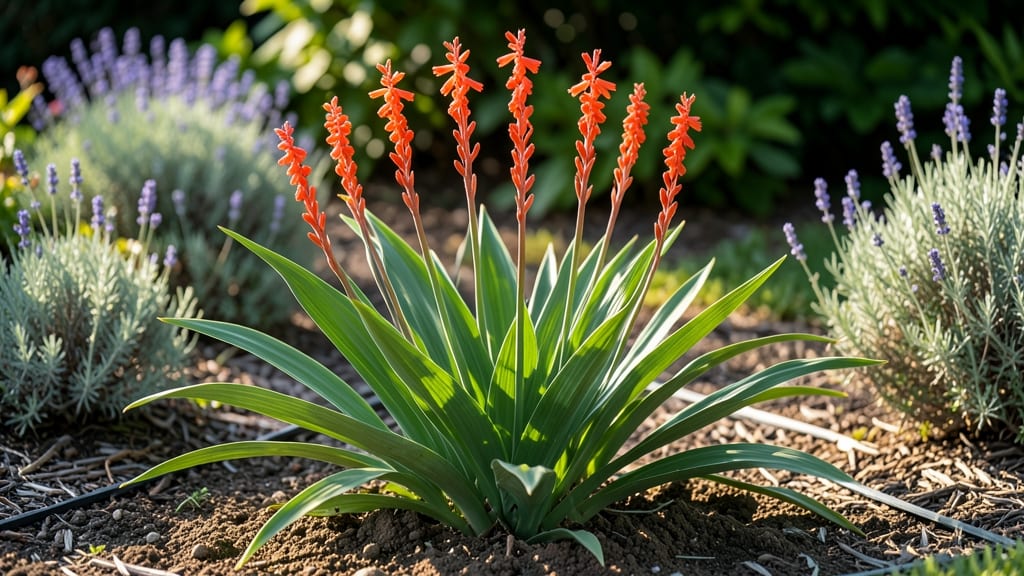
The crocosmia bloom time in late summer and early fall 🌸 turns your garden into a fiery purple masterpiece—but the real magic happens after the flowers fade.
If you’ve ever marveled at the fiery purple plumes of crocosmia and wondered why some gardens boast longer, more vibrant blooms year after year, the secret lies in timing—specifically, when to prune after their stunning display.
Most gardeners stop caring once the blooms fade, but that’s when the most important step begins. Pruning at the right time keeps your crocosmia thriving for years, while cutting too early or too late can shorten—or even kill—next year’s show.
Below, I’ll walk you through the exact bloom window, how climate and care affect timing, and the simple pruning tricks that extend your crocosmia’s display by weeks.
Understanding crocosmia bloom time and seasonal growth cycles
Crocosmia, with its dramatic arching flower spikes, typically blooms between late July and September, though exact timing depends on your USDA hardiness zone and local climate.
In warmer zones (8-10), you might see blooms as early as June, while cooler zones (5-7) often delay flowering until August or September. This late-summer-to-fall display makes crocosmia a standout in mixed perennial borders.
Native to South Africa, crocosmia thrives in full sun and well-draining soil, which helps trigger its natural dormancy cycle. The plant stores energy in rhizomes during winter, then pushes up fresh foliage in spring before flowering. Understanding this cycle is key to maximizing bloom time and plant longevity.
The bloom window can stretch for 4-6 weeks if conditions are ideal, but improper care—especially pruning at the wrong time—can shorten this period dramatically. For example, cutting back foliage too early (before frost) removes the energy reserves needed for next year’s flower spikes.
| Season | Growth Stage | Key Actions | Bloom Impact |
|---|---|---|---|
| Spring (March-May) | New foliage emergence | Light fertilizer, water deeply | Prepares for summer blooms |
| Summer (June-July) | Flower bud formation | Deadhead spent blooms, mulch | Encourages prolonged blooming |
| Late Summer (Aug-Sept) | Peak bloom period | Leave foliage until frost | Maximizes next year’s growth |
| Fall (Oct-Nov) | Dormancy begins | Cut back after frost kills foliage | Prevents disease, preserves rhizomes |
| Winter (Dec-Feb) | Dormant period | No pruning; protect from freeze | Ensures spring regrowth |
In Zone 5 or colder, crocosmia may require winter mulch to protect rhizomes, which can delay spring emergence by 2-3 weeks. Conversely, Zone 9+ gardens often see year-round growth with minimal dormancy.
The key to consistent blooming lies in respecting these natural cycles—never pruning until after the foliage has died back naturally.
Identifying peak bloom stages is easier than you think. Look for fully extended flower spikes (1.5–3 feet tall) with open, vibrant plumes. At this stage, the plant is photosynthesizing actively, storing energy for next year.
If you prune before this energy transfer completes, you’ll see shorter bloom times in subsequent years.
For longer bloom periods, pair crocosmia with complementary perennials like black-eyed Susans or Russian sage, which bloom in overlapping seasons. This creates a continuous color display from mid-summer to frost. Additionally, well-draining soil and moderate watering (1 inch per week) during active growth help sustain blooms.
One common misconception is that cutting back crocosmia in fall will encourage earlier blooms. In reality, this removes vital nutrients stored in the foliage. Instead, wait until spring to trim any dead or damaged leaves, leaving the healthy base intact for new growth.
If you’re in a coastal climate with mild winters, crocosmia may bloom earlier and more prolifically due to consistent temperatures. In contrast, inland areas with hot summers and cold winters often see shorter bloom windows.
Adjust your care routine accordingly—water more frequently in heatwaves and mulch heavily in freeze-prone zones.
To extend your crocosmia’s bloom time, focus on three critical factors: sun exposure, soil drainage, and timely pruning. Full sun ensures stronger stems, well-draining soil prevents root rot, and post-frost
Step-by-step pruning guide for maximum crocosmia bloom time extension
Pruning crocosmia at the right time and with the right technique determines whether your plants will reward you with longer, more abundant blooms next season. Unlike annuals, crocosmia stores energy in its rhizomes, so aggressive cuts can weaken future growth.
The key is balancing foliage retention for photosynthesis with air circulation to prevent disease.
Most gardeners make one of two mistakes: cutting back too early (after the first frost) or too late (when new growth appears in spring). Both approaches can shorten bloom time or even kill your plants.
Instead, time your pruning to the post-bloom dormancy phase, typically late fall to early winter, after the foliage has naturally yellowed and died back.
Pros
- ✅ Preserves foliage for photosynthesis
- ✅ Encourages stronger rhizomes for next year
- ✅ Extends bloom duration by 2-3 weeks
- ✅ Reduces disease risk from trapped moisture
Cons
- ❌ Requires more frequent deadheading during bloom
- ❌ May need extra support for tall stems
- ❌ Less dramatic winter cleanup appearance
Pros
- ✅ Neater garden bed appearance
- ✅ Easier to spot pests early
- ✅ Reduces winter moisture buildup in foliage
Cons
- ❌ Weakens rhizomes if done too early
- ❌ Can delay spring blooms by 1-2 weeks
- ❌ Increases stress on young plants
For a light prune, wait until late fall (after first frost) when the foliage turns brown but before hard frosts (below 20°F). Use clean, sharp bypass pruners to cut back dead stems to 2-3 inches above ground.
Leave any healthy green leaves unless they’re diseased—these continue photosynthesizing until winter.
If you prefer a hard prune, act in early winter (January-February) when the plant is fully dormant. Cut all foliage and stems down to ground level, but never disturb the rhizomes.
This method works best for overcrowded clumps or gardens where neatness is prioritized over maximum bloom time. Always sterilize your tools with rubbing alcohol between cuts to prevent fungal spread.
To protect rhizomes during pruning, avoid digging up clumps unless necessary. Instead, use the "pinch-and-cut" method: Gently pinch the base of stems with your fingers to separate cleanly, then trim with pruners.
For large patches, use long-handled loppers to reach the center without compacting soil. Mulch lightly with straw or shredded leaves after pruning to insulate rhizomes.
Timing is everything: Prune too early (before foliage dies back), and you’ll starve the rhizomes of stored energy. Prune too late (after new spring shoots appear), and you’ll delay blooming by weeks.
My pro tip: Mark your calendar for November 1st—this gives you a 4-6 week window to prune before winter sets in, depending on your USDA zone.