
Flowers
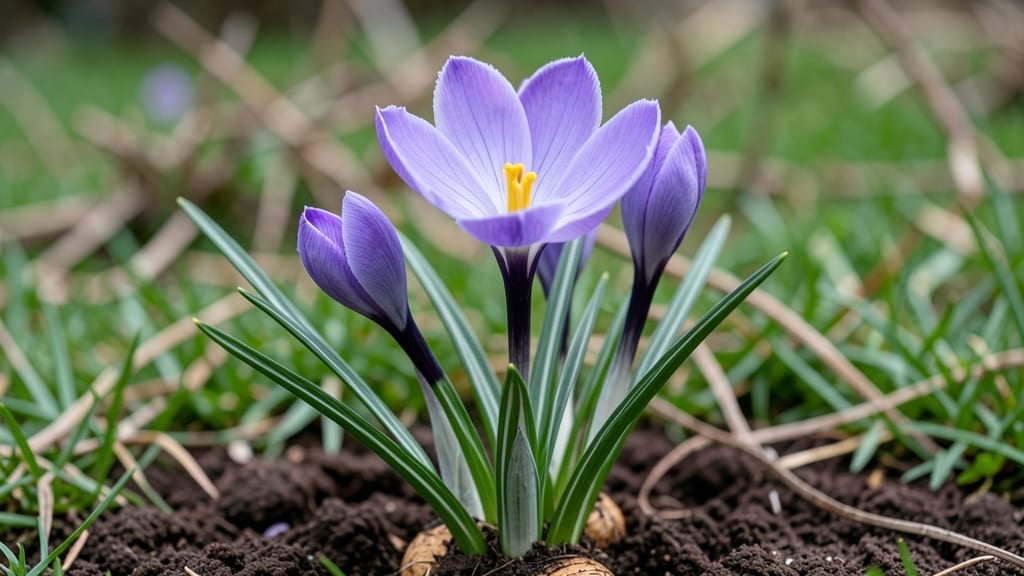
The crocus flower bloom time is a magical window when winter’s frost still lingers, yet these tenacious blooms punch through the soil like nature’s first defiant cheer.
Picture this: snow still clings to the edges of your garden, but there—peeking through the thawing earth—are delicate 🌸 crocus flowers, their vibrant hues a stark contrast to the muted winter landscape. These early bloomers are the unsung heroes of the garden, often emerging weeks before their spring counterparts.
But timing isn’t just about aesthetics—it’s about strategy. Planting crocus in fall (September through November) sets the stage for their spring show, but regional climate, sunlight exposure, and even soil type can shift their bloom window by weeks.
In USDA Zone 6a, expect them to burst into color as early as March, but in cooler microclimates, they might wait until April.
Here’s where the real magic happens: with the right care, you can stretch that bloom time, turning a fleeting burst of color into a prolonged display.
Learn how to coax your crocus into blooming earlier, longer, and with more vigor—so you can enjoy their cheerful faces before the rest of the garden wakes up.
When do Crocus flowers bloom? Seasonal timeline by variety and climate
Crocus flowers are nature’s earliest spring messengers, often blooming while snow still blankets the ground. Their bloom times vary dramatically by species and climate, with some varieties pushing through snow cover as early as late January in mild regions.
Understanding these seasonal windows helps gardeners create stunning winter-to-spring transitions in their landscapes.
The key to predicting crocus bloom times lies in two factors: species-specific genetics and local climate conditions. For example, Crocus vernus (commonly called "Dutch crocus") typically blooms 2-3 weeks later than Crocus tommasinianus (Tommasinian crocus), which often emerges under snow in Zone 5 and colder.
Even within the same variety, a 500-mile difference in latitude can shift bloom times by 2-4 weeks.
Here’s how microclimates affect bloom timing: A south-facing slope in Zone 6 might see Crocus chrysanthus bloom in early February, while the same variety in a shady, northern exposure could wait until mid-March. Urban heat islands can also advance bloom times by 1-2 weeks compared to rural areas.
If you’re in Zone 5 or colder, focus on Crocus tommasinianus or Crocus laeviusculus for snow-blooming displays. These varieties often push through 6+ inches of snow if planted in well-draining soil with full sun exposure.
In Zone 8 and warmer, Crocus chrysanthus and Crocus vernus may bloom as early as December, especially in coastal or desert climates.
For gardeners in transition zones (Zone 6-7), mixing early and late varieties creates a 3-4 week bloom extension. For example, pairing Crocus tommasinianus (Feb) with Crocus vernus (March-April) ensures continuous color from late winter to early spring.
This layered approach also works well in rock gardens or woodland edges where microclimates vary.
One often-overlooked factor is soil temperature. Crocus corms need consistent chilling (40-50°F) for 8-12 weeks to trigger blooming. In warmer climates, some gardeners pre-chill corms in the fridge for 6-8 weeks before planting to synchronize bloom times.
This trick is especially useful for Crocus vernus in Zone 9+, where natural chilling may be insufficient.
To maximize bloom times, plant corms in late summer or early fall (August-September) when soil temperatures drop below 70°F. This gives roots 4-6 weeks to establish before winter, ensuring stronger, earlier blooms the following spring.
Avoid planting in late fall, as frozen ground can damage corms before they root.
How to extend Crocus bloom time: pro tips for longer displays
Crocuses are nature’s early spring cheerleaders, but their brief bloom window can feel like a fleeting moment. With the right care, you can stretch their display by 2-3 weeks—turning a quick flash of color into a prolonged showstopper.
The secret lies in mimicking their natural habitat while giving them just enough encouragement to keep flowering.
Start with well-draining soil mixed with compost—this prevents rot and ensures corms store energy for next year’s blooms. Avoid heavy clay, which smothers roots and shortens their lifespan. Pair this with morning sunlight (6+ hours daily) and you’ve already set the stage for longer displays.
- ✅ Soil Prep: Amend with sand/compost (ratio 1:1) for drainage. Test pH (6.0-7.0 ideal).
- 💧 Watering: Deep soak weekly after blooms appear. Let soil dry between waterings.
- ☀️ Sunlight: Full sun (6+ hours) boosts photosynthesis. Avoid shade after noon.
- 🌱 Companion Plants: Pair with hellebores or winter aconites for staggered blooms.
- ✂️ Deadheading: Remove spent blooms but leave foliage until yellow (feeds corms).
Your watering schedule is the next game-changer. Once buds form, water deeply once a week—but stop abruptly after blooms fade. This mimics their natural drought cycle, signaling corms to recharge for next year. Overwatering triggers rot, while underwatering stresses plants into early dormancy.
For a cascading effect, plant crocuses in layers by bloom time. Start with early varieties like Crocus tommasinianus (purple, late winter) followed by Crocus vernus (white/yellow, early spring). Add hellebores (shade-tolerant) or winter aconites (golden blooms) to bridge gaps between crocus waves.
After blooms fade, skip fertilizer—crocuses thrive on minimal nutrients. Instead, mulch with 2 inches of straw to insulate corms and retain moisture. In fall, lightly top-dress with compost (1 tbsp/10 sq ft) to prep for next year’s blooms. This two-step approach ensures reblooming without overfeeding.
Pro tip: Mark your calendar for late September planting—this gives corms time to establish roots before winter. By next spring, your crocuses will reward you with earlier, longer-lasting blooms and a garden that feels like it’s always one step ahead of winter’s retreat. 🌸