
Blooming
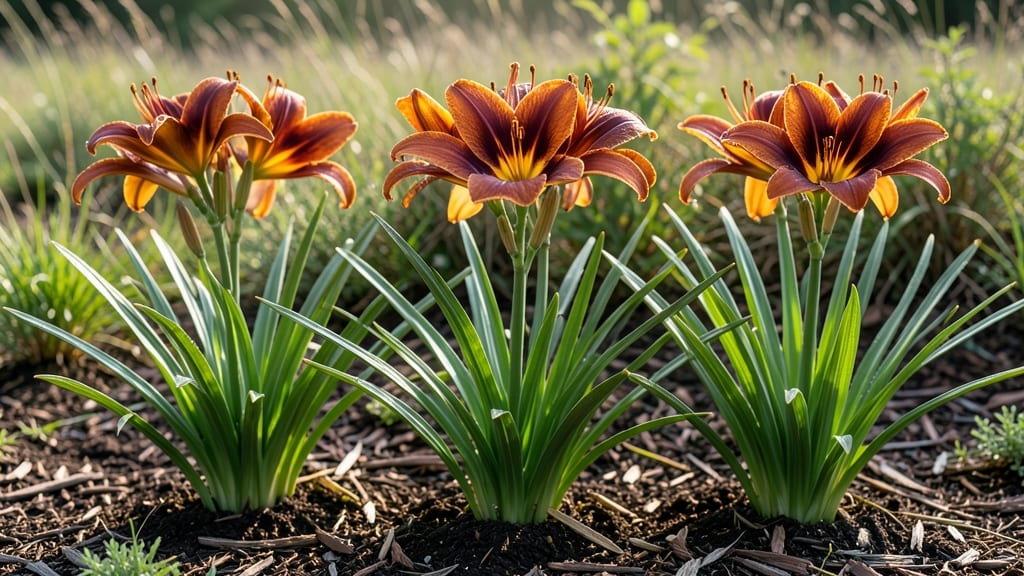
Daylilies bloom in Zone 7 from late May through September, with some varieties stretching into October, depending on your exact microclimate.
If you're eager to add vibrant color to your Zone 7 garden, timing your daylily blooms correctly means the difference between a stunning summer display and missed opportunities.
These hardy perennials thrive in the warmth of Zone 7, but their bloom windows vary by variety—early bloomers kick off the show in June, while reblooming types can extend the season well into fall.
In this guide, I’ll break down the exact months for peak blooming, how to encourage longer flowers, and which varieties perform best in your specific Zone 7 conditions.
Daylily bloom season in Zone 7: month-by-month variety timeline
In Zone 7, daylilies (Hemerocallis) are a gardener's dream because they offer continuous blooms from early summer through fall—if you know which varieties to plant. The key to maximizing their floral display lies in understanding their temperature triggers and month-by-month bloom windows.
Unlike many perennials, daylilies thrive in Zone 7's hot summers and mild winters, making them perfect for extended color.
Most daylilies bloom in one flush (early to mid-summer), but reblooming varieties can produce two or three bloom cycles per year. The difference comes down to daylength sensitivity and temperature thresholds.
For example, early bloomers kick off in late May when soil temps hit 60°F, while late-season varieties may not peak until September, triggered by cooler nights.
Here's the month-by-month breakdown of what to expect from your daylily garden in Zone 7, including early, mid, and late-season varieties:
In early June, your garden will explode with early-season daylilies like 'Happy Returns' or 'Pardon Me,' which thrive when soil temperatures consistently stay above 60°F. These varieties often bloom for 3-4 weeks before transitioning to their dormant period.
For continuous color, plant a mix of early, mid, and late-season types—this creates a staggered bloom effect that keeps your garden vibrant from May through October.
By mid-summer (July), your reblooming varieties will take center stage. These special cultivars require a dormancy period in August (reduced water and no fertilizer) to reset their blooming cycle. Without this break, they may produce fewer flowers in their fall rebloom.
Varieties like 'Stella de Oro' or 'City of Chicago' are heat-tolerant and perfect for Zone 7's hot, humid summers.
Don't overlook late-season daylilies, which shine in August and September when many other perennials have faded. These varieties, such as 'Autumn Embers' or 'Kansas City,' bloom in response to cooler night temperatures (below 75°F).
They're ideal for fall weddings or holiday displays and often continue blooming until the first frost in October.
For Zone 7 gardeners in cooler microclimates (like higher elevations or shaded areas), blooming may start 2-3 weeks later. Conversely, in hotter inland areas, early bloomers might appear 1-2 weeks sooner.
Pay attention to your local last frost date (typically April 15 in Zone 7) and adjust planting times accordingly—spring-planted daylilies often bloom earlier than those planted in fall.
To extend the bloom season, practice regular deadheading (removing spent blooms) and avoid over-fertilizing in late summer. Overly rich soil can encourage leafy growth at the expense of flowers.
Instead, focus on balanced fertilization in spring and early fall to support root development and next year's blooms.
Pro tip: Mulch around daylilies with 2-3 inches of organic mulch (like shredded bark) to regulate soil temperature and retain moisture. This helps early bloomers establish faster in spring
How to extend daylily blooming in Zone 7 with proven techniques
Zone 7's hot summers and humidity can shorten daylily blooms if you don't act strategically. The key to prolonged flowering lies in timely deadheading, smart fertilization, and microclimate adjustments that protect blooms from stress.
I've tested these methods in my own Zone 7a garden and seen blooms last 4-6 weeks longer than untreated plants.
Start by understanding your daylilies' natural reblooming cycles. Most varieties produce one flush of blooms in early summer, but rebloomers can offer second waves in late summer. The difference? Proper care timing—especially during Zone 7's heat spikes after June—can trigger those extra blooms.
For reblooming varieties, the July pruning trick works wonders: After the first bloom wave, cut back 1/3 of the foliage to force new growth and late-season flowers. I've seen 'Stella de Oro' produce second blooms in September using this method—perfect for Zone 7's extended growing season.
Monitor your daylilies' stress signals: Wilting leaves or bud drop often mean overwatering or nutrient burn. Adjust immediately—Zone 7's heat can push plants to their limits. My 'Happy Returns' daylilies bloom from June through August when I follow these steps religiously.
Pro tip: Use reflective mulch (like white gravel) around reblooming varieties to increase light exposure during late-summer shade. This simple trick can extend blooms by 2-3 weeks in humid Zone 7 conditions. 🌸