
Blooming
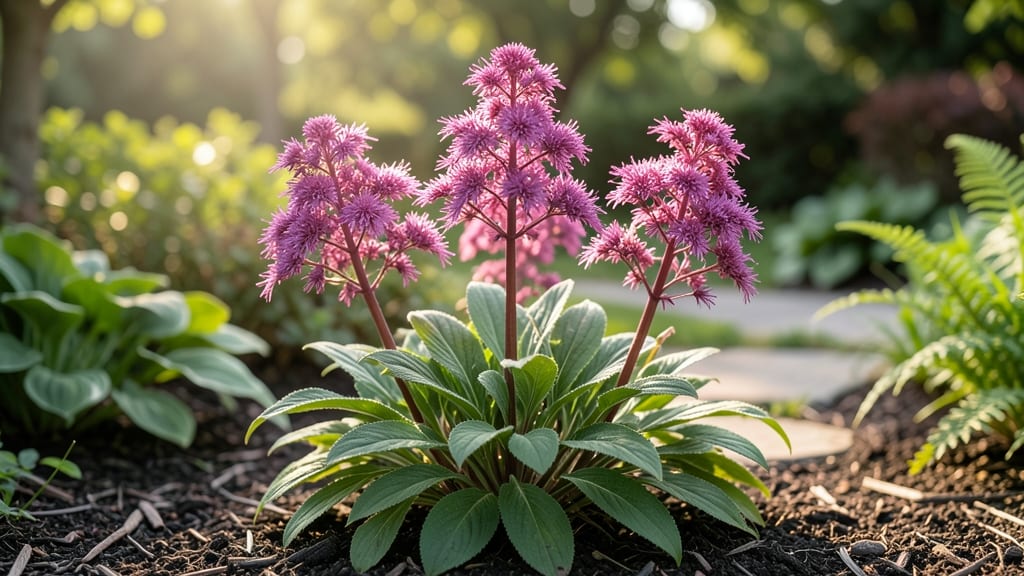
Astilbe blooms don't last all summer continuously, but many varieties can extend their flowering periods with proper care—reblooming typically occurs in late spring through early fall when given cool temperatures and consistent moisture.
While astilbes are prized for their lush, feathery plumes, their blooming seasons vary by variety and climate. 🌸 Some types like 'Fanal' or 'Deutschland' naturally produce multiple flushes of flowers, especially in cooler regions, while others may struggle in intense summer heat.
The key to prolonging blooms lies in maintaining even moisture levels—dry spells trigger stress that shortens flowering cycles. I've found that mulching around the base and providing afternoon shade in hot zones can make a dramatic difference in how long your astilbes stay vibrant.
What many gardeners don't realize is that astilbes actually respond to day length changes—longer daylight hours in summer can signal them to pause blooming until conditions improve. This is why consistent care matters so much: proper watering and occasional deadheading of spent blooms encourage new growth.
For the longest displays, I recommend choosing varieties known for their heat tolerance, like 'Peach Blossom', and planting them in locations that get morning sun but afternoon shade.
💡 In This Article
- Astilbe Flowering Seasons: Varieties and Heat Tolerance
- Tips to Extend Astilbe Blooms Through Summer
Astilbe flowering seasons: varieties and heat tolerance
The blooming duration of astilbes varies dramatically between varieties due to their natural adaptations. For instance, 'Fanal' astilbe—a deep purple cultivar—typically blooms for 4-6 weeks in late spring, then often produces a second flush in early fall, especially in cooler climates like USDA zones 3-6.
This reblooming behavior occurs because 'Fanal' responds to shorter daylight hours and cooler temperatures, which trigger hormonal signals to restart flowering. In contrast, 'Deutschland', a white variety, may only bloom once per season unless given consistent moisture and afternoon shade.
Heat stress is the primary reason astilbes fail to bloom continuously.
When temperatures exceed 85°F, the plant's metabolic processes slow down, and energy shifts from flowering to survival—leaves may wilt, and buds abort. 🌡️ This is why astilbes thrive in partial shade gardens: they receive 3-6 hours of morning sunlight while avoiding the midday heat.
Varieties like 'Peach Blossom' have slightly better heat tolerance due to their pinkish hues, which reflect more sunlight than darker varieties, reducing internal heat buildup.
The science behind this involves photoperiod sensitivity—astilbes are short-day plants, meaning they bloom when daylight hours shorten. In summer's long days, they enter a dormant-like state, conserving energy. However, some varieties, like 'Bridal Veil', can extend blooming by 2-3 weeks if given consistent moisture and afternoon shade.
This is because cooler roots (maintained by mulch) signal the plant to continue blooming rather than shutting down.
Climate zones play a critical role: in zones 7-9, astilbes often bloom in spring and fall but may go dormant in summer's heat. Meanwhile, in zones 3-6, cooler summers allow for more continuous blooming.
For example, 'Deutschland' in zone 5 might bloom for 8-10 weeks with proper care, while the same variety in zone 8 may only bloom for 4 weeks unless given extra shade and water.
Another factor is soil moisture—astilbes have fibrous roots that dry out quickly in hot, dry conditions. When soil moisture drops below 30%, the plant's vascular system struggles to transport nutrients, leading to bud drop.
This is why gardeners in hot climates often see astilbes bloom heavily in spring but fade by early summer. 💧 The solution? Mulching with 2-3 inches of organic matter (like shredded bark) retains moisture and keeps roots cool.
To maximize blooming, choose varieties bred for your climate. For hot zones, 'Glut' (a red variety) or 'Deutschland' (white) often perform better than 'Fanal' (purple), which prefers cooler conditions. The key takeaway? Astilbes don't bloom all summer by default—their performance depends on variety selection, heat management, and moisture consistency.