
Blooming
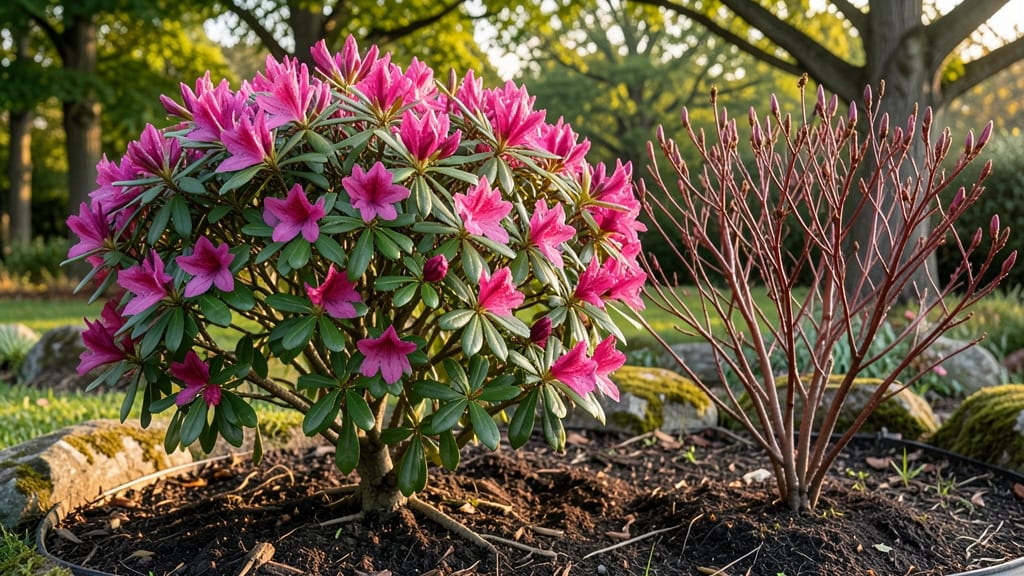
Azaleas typically bloom every year when given the right growing conditions, including proper sunlight, acidic soil, and compatibility with their cold-hardiness zone. However, stress from improper care or environmental factors can cause some varieties to skip flowering seasons.
Azaleas are famous for their vibrant spring displays, but whether they bloom annually depends on more than just luck. 🌸 The key factors include cold-hardiness zones (USDA zones 4–9) and winter chilling hours—many varieties need 300–1,000 hours below 45°F to trigger blooms.
For example, Southern Indica azaleas thrive in warmer climates, while deciduous types need colder winters. Even in ideal zones, poor soil pH (aim for 4.5–6.0) or insufficient sunlight can disrupt their flowering cycle.
To encourage reliable blooms, I recommend pruning right after flowering to shape the plant and remove dead growth. Acid-loving azaleas also benefit from regular mulching and a slow-release fertilizer designed for rhododendrons.
If your azalea skips a season, check for signs of stress—like yellowing leaves or sparse foliage—which often point to overwatering, nutrient deficiencies, or incorrect sunlight exposure.
💡 In This Article
- Why Azalea Blooming Cycles Vary by Region and Variety
- How to Ensure Year-Round Azalea Blooms
Why azalea blooming cycles vary by region and variety
Azalea blooming patterns are deeply tied to their natural dormancy cycles, which are triggered by a combination of temperature exposure and daylight hours. Most azaleas require 300–1,000 hours of chilling below 45°F during winter to set flower buds for the following spring.
This chilling requirement varies by species—Northern varieties like Rhododendron canescens need closer to 1,000 hours, while Southern Indica azaleas thrive with just 300–500 hours. Without adequate chilling, buds may fail to develop, causing skipped blooms even in healthy plants.
The USDA cold-hardiness zones (4–9) directly impact this process. For example, azaleas in Zone 5 naturally receive the required chilling, while those in Zone 8 or warmer may struggle if winters are too mild.
Some hybrid varieties, like the popular Knock Out® azalea, are bred for broader adaptability but still rely on seasonal cues. Even in ideal zones, sudden warm spells during winter can disrupt dormancy, confusing the plant's internal clock and preventing bud formation.
Light exposure plays a secondary but critical role. Azaleas typically prefer partial shade (3–6 hours of direct sunlight daily), but too little light weakens the plant's energy reserves, reducing flower production. In contrast, full sun can stress some varieties, causing leaves to scorch and diverting energy away from blooms.
The balance between sunlight and shade varies by region—coastal areas with humid air may need more shade than inland climates.
Soil pH also acts as a hidden regulator. Azaleas thrive in acidic soil (pH 4.5–6.0), where nutrient availability—especially iron and manganese—supports robust growth. In alkaline soils (pH 7.0+), these nutrients become locked away, leading to yellowing leaves (chlorosis) and weakened flowering.
A simple soil test can reveal pH imbalances, and amendments like sulfur or peat moss can restore ideal conditions.
Genetics introduce another layer of complexity. Evergreen azaleas (like Rhododendron indicum) often bloom later in spring, while deciduous types (such as Rhododendron prinophyllum) may flower in early spring.
Some hybrids, like the Girard's® series, are bred to rebloom in summer with proper care, but this requires consistent moisture and fertilization. Understanding your azalea's specific lineage helps predict—and influence—its blooming rhythm.
For gardeners in marginal zones, strategic placement can make a difference. Planting azaleas near walls or fences that absorb and radiate heat can extend the growing season, while mulching with 3–4 inches of organic matter (like pine straw) insulates roots and maintains soil moisture.
These small adjustments can tip the balance toward reliable blooms, even in less-than-ideal climates.