
Blooming
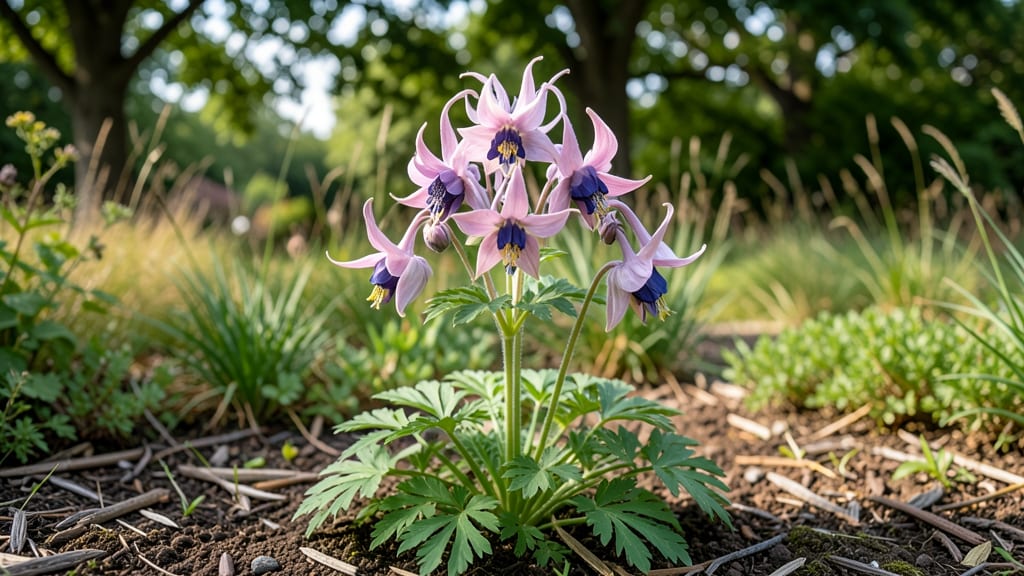
Columbines don't bloom all summer; they primarily flower in spring, with some varieties producing occasional fall blooms after heat or drought stress, though intense summer heat usually causes them to go dormant.
Columbines are cool-season plants that naturally follow a seasonal rhythm tied to temperature shifts. 🌸 Their spring blooms thrive when days are longer and temperatures moderate, but most varieties enter a rest period during peak summer heat.
What's fascinating is how some rebloom in fall when conditions cool again—this second flush often appears after a dry spell or heatwave, as if the plant is "catching its breath." I've seen this happen most reliably with Aquilegia canadensis and hybrid varieties that have adapted to local climates.
For gardeners wanting more summer color, the key is creating conditions that mimic their natural preferences. 💫 Planting them in spots with afternoon shade can prevent heat stress, while consistent moisture (but not soggy soil) helps maintain their energy reserves.
I've had success with light pruning after the first spring bloom to encourage a modest second flush, though results vary by variety.
💡 In This Article
- Columbine Blooming Seasons and Heat Sensitivity
- Extending Columbine Blooms with Proper Care
Columbine blooming seasons and heat sensitivity
Columbines are cool-season perennials with a built-in biological clock that triggers blooming during specific temperature ranges. Their primary flowering period occurs in spring when daytime temperatures hover between 50-70°F—ideal conditions for energy-intensive processes like bud formation.
The plant's growth hormones, particularly gibberellins, peak during these moderate temperatures, stimulating flower production. When summer arrives and temperatures exceed 80°F for extended periods, these same hormones shift focus toward survival rather than reproduction, causing buds to abort or flowers to wilt prematurely.
The daylight cycle plays a crucial role too. Columbines are day-neutral plants, meaning they don't rely solely on light duration like short-day or long-day plants. Instead, they respond to temperature cues that correlate with seasonal changes.
For example, the Rocky Mountain columbine (Aquilegia caerulea) typically blooms from late April to June in its native habitat, where nights remain cool even as days warm.
When summer heat persists, the plant enters a semi-dormant state to conserve water and energy—similar to how many desert wildflowers behave during monsoon season.
Fall reblooming occurs in some varieties because the cooling temperatures and shorter days trigger a secondary hormonal response. This second flush often appears after a heatwave or drought when the plant has stored enough energy to attempt another bloom cycle.
For instance, Canadian columbine (Aquilegia canadensis) may produce sporadic flowers in September if daytime highs drop below 75°F and nighttime lows remain above 45°F.
The key difference between spring and fall blooming is that fall flowers are typically fewer in number and shorter-lived, as the plant prepares for winter dormancy.
What's particularly interesting is how columbines handle heat stress at the cellular level. Their leaves contain specialized cells that can temporarily reduce water loss by curling slightly—a survival mechanism you might notice when plants wilt in extreme heat.
This curling also protects the delicate flower buds from excessive sunlight, which can cause them to bleach out or dry up. Some hybrid varieties have been bred to tolerate slightly warmer conditions, but even these will struggle if daytime temperatures consistently exceed 85°F for more than a week.
Consider this comparison: In Denver's 5,280-foot elevation, where summers average 82°F, columbines may produce a modest second bloom in late summer. But in Phoenix, where July temperatures often hit 105°F, these same plants will typically go completely dormant until fall rains return.
The difference comes down to how quickly the plant can dissipate heat through its leaves and roots—a process that becomes nearly impossible in desert climates without shade or supplemental water.
This heat sensitivity explains why you'll rarely see columbines in full summer bloom at garden centers. Most commercial plants are grown in cooler climates and shipped during their peak flowering period, then struggle to maintain blooms once planted in hotter regions.
The good news is that with proper care, you can coax some summer interest from these plants by creating microclimates that mimic their natural preferences.