
Blooming
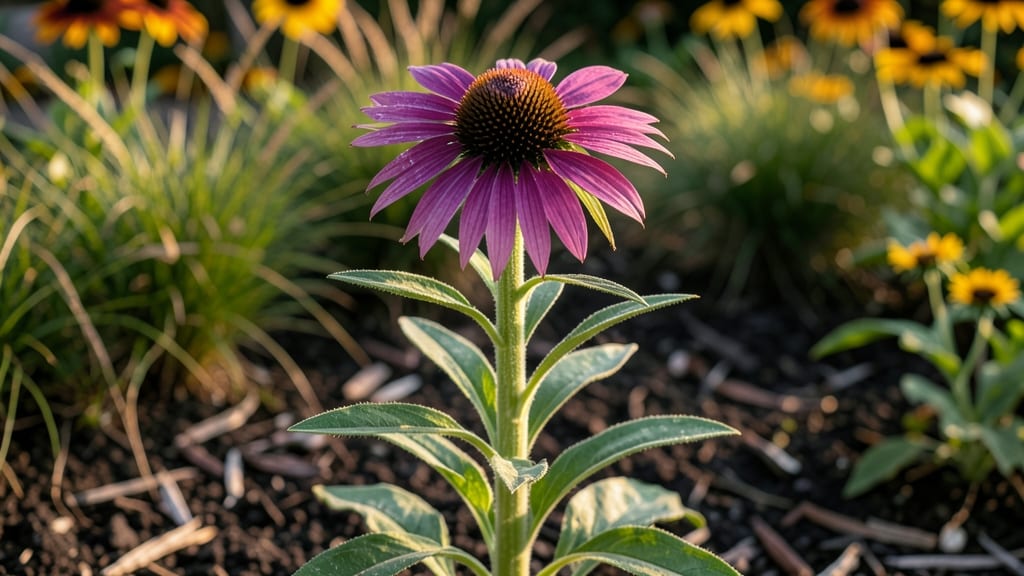
Summer-blooming perennial flowers like coneflowers, black-eyed Susans, and bee balm thrive in heat, return every year, and provide vibrant color while supporting pollinators with minimal winter maintenance.
These hardy plants have evolved to handle intense summer sun through deep root systems that access moisture deep underground and waxy leaves that reduce water loss. 🌿 Their bright blooms aren't just beautiful—they're essential food sources for bees, butterflies, and hummingbirds during peak summer months when other flowers may have faded.
I've found that proper spacing during planting (about 18-24 inches apart) gives them room to establish strong roots, while mulching helps retain soil moisture during dry spells.
The key to their success lies in their resilience: many can handle 90°F+ temperatures without wilting, though they do appreciate consistent moisture during their first growing season. Once established, they often thrive on rainfall alone.
For longest blooms, I recommend deadheading spent flowers regularly—this encourages new blooms to form throughout the season rather than all at once.
What makes these perennials particularly appealing is their low-maintenance nature. Unlike annuals that need replanting yearly, these beauties come back stronger each spring with proper care. Their deep roots also make them more drought-tolerant than many other garden plants, which is especially valuable in water-conscious regions.
💡 In This Article
- Why These Perennials Excel in Summer Heat
- Planting and Care Guide for Summer-Blooming Perennials
Why these perennials excel in summer heat
The secret to these summer bloomers' success lies in their evolutionary adaptations for heat and drought. Plants like coneflowers develop deep taproots that can reach 3-5 feet underground, accessing moisture that shallow-rooted plants can't tap into during dry spells.
This root system also helps them store nutrients for spring regrowth, ensuring they bounce back stronger each year. 🔥
Another key adaptation is their waxy leaf surfaces, which create a protective barrier that reduces water loss through evaporation by up to 30% compared to smooth leaves. This adaptation is particularly important during 90°F+ temperatures, where water loss can become critical.
The waxy coating also helps reflect some sunlight, preventing leaf scorch that would otherwise occur in full sun conditions.
These perennials also have remarkable heat tolerance in their cellular structures. Their cells contain specialized compounds that stabilize proteins during heat stress, preventing the damage that would normally occur at temperatures above 86°F.
This cellular resilience means they can continue photosynthesizing and blooming even when many other plants would wilt or go dormant.
Their role in pollinator ecosystems is equally impressive. The bright, nectar-rich flowers serve as critical food sources during summer when many other plants have finished blooming. For example, bee balm's tubular flowers are specifically adapted to attract hummingbirds, while the flat tops of coneflowers provide perfect landing platforms for bees.
This mutualistic relationship helps maintain biodiversity in gardens.
Sunlight intensity plays a crucial role in their bloom duration. While these perennials thrive in full sun (typically 6-8 hours daily), too much intense afternoon sun can cause flowers to fade faster.
That's why I recommend planting them where they receive morning sun and afternoon shade in the hottest regions (USDA zones 5-9). This balance maximizes bloom time while preventing heat stress.
What's particularly fascinating is how these plants manage their energy allocation. During extreme heat, they prioritize root development over flowering, which explains why first-year plants often bloom less vigorously. This survival strategy ensures they establish strong foundations before committing resources to reproduction. 🌿