
Blooming
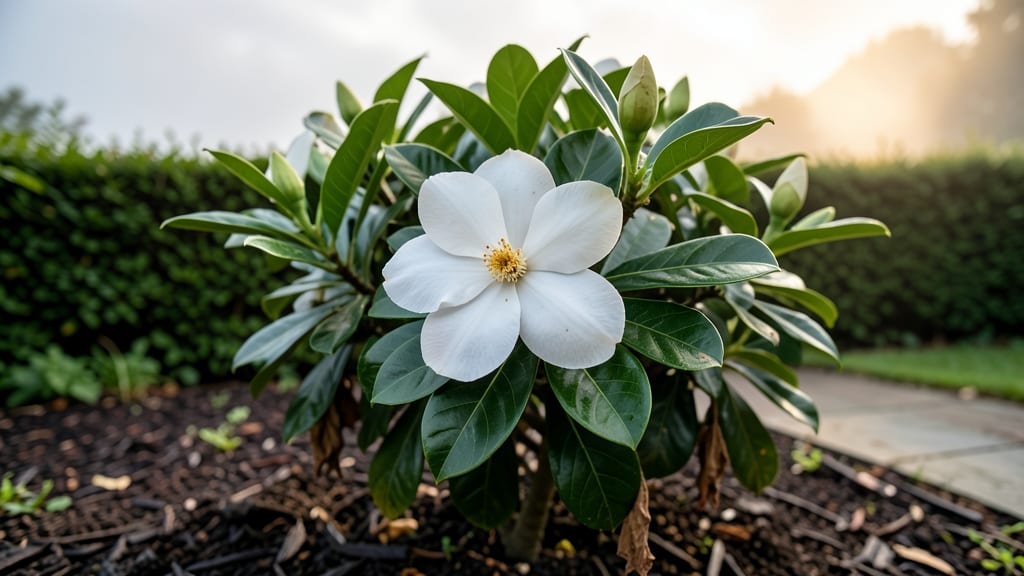
Gardenias don't bloom all summer naturally—their flowering seasons depend on specific varieties, regional climates, and temperature cues. Most varieties peak in spring or early summer, with only select late-season types producing blooms into fall when conditions are ideal.
Gardenias are sensitive to seasonal changes, particularly temperature fluctuations that trigger their bloom cycles. 🌸 Unlike continuous-blooming plants, they follow natural rhythms tied to daylight hours and seasonal transitions.
For example, G. jasminoides typically blooms from late spring to early summer, while G. augusta may extend into fall in warmer climates. The key to encouraging longer blooms lies in understanding your specific variety's needs and providing consistent care throughout the year.
What many gardeners don't realize is that gardenias actually enter a dormant period after their primary bloom cycle. This isn't true dormancy like winter rest—it's more of a recovery phase where the plant focuses on foliage growth rather than flowers.
Proper pruning after blooming and maintaining consistent moisture levels can help coax some varieties into producing secondary blooms later in the season.
💡 In This Article
- Gardenia Flowering Seasons by Variety
- Extending Gardenia Blooms: Pruning and Care Tips
Gardenia flowering seasons by variety
The flowering patterns of gardenias are deeply tied to their species and natural growing conditions. G. jasminoides, the most common type, typically blooms from late May to July in temperate climates, producing fragrant white flowers that last about 7-10 days per bloom.
This variety responds to the lengthening daylight of spring, which triggers hormonal changes that initiate flowering. In contrast, G. augusta varieties often extend their blooming season into early fall, particularly in regions with warmer winters like Florida or coastal California.
Temperature plays a crucial role in these cycles. Gardenias require 65-75°F during the day for optimal blooming, but they also need a 10-15°F drop at night to signal the end of their primary bloom cycle.
This temperature shift tells the plant it's time to focus on foliage growth rather than producing flowers. 🌸 Without this cue, some varieties may produce fewer blooms or none at all.
For example, in tropical climates where nighttime temperatures rarely drop below 70°F, gardenias may bloom sporadically throughout the year but with less intensity.
Daylight hours are another critical factor. Gardenias are short-day plants, meaning they bloom in response to decreasing daylight. This is why you'll see peak blooming in late spring when days begin to shorten.
In regions with long summer daylight, gardenias may enter a "bloom drought" until fall when daylight naturally shortens again. This explains why gardenias in northern climates often bloom earlier than those in southern areas.
Some gardenia cultivars have been selectively bred to extend their blooming seasons. For instance, 'Radicans' produces smaller flowers but blooms more prolifically and can extend into early autumn. Meanwhile, 'Kleim's Hardy' is known for its cold tolerance and can produce secondary blooms in mild winters.
These variations show how careful cultivation can push the natural limits of gardenia blooming seasons.
Regional climate also creates dramatic differences in blooming patterns. In the Pacific Northwest, gardenias may bloom from June to August, while in the Deep South, they can continue producing flowers until October.
The key difference? Southern climates provide warmer winters and longer growing seasons, allowing gardenias to maintain active growth and occasional blooming well into fall.
What's fascinating is how gardenias use their leaves as a secondary indicator of bloom readiness. Healthy, dark green foliage signals the plant has enough energy to produce flowers, while yellowing leaves often mean the plant is stressed and won't bloom well.
This is why proper soil pH (5.0-6.5) and regular feeding with acidic fertilizers are essential for encouraging consistent blooming.