
Blooming
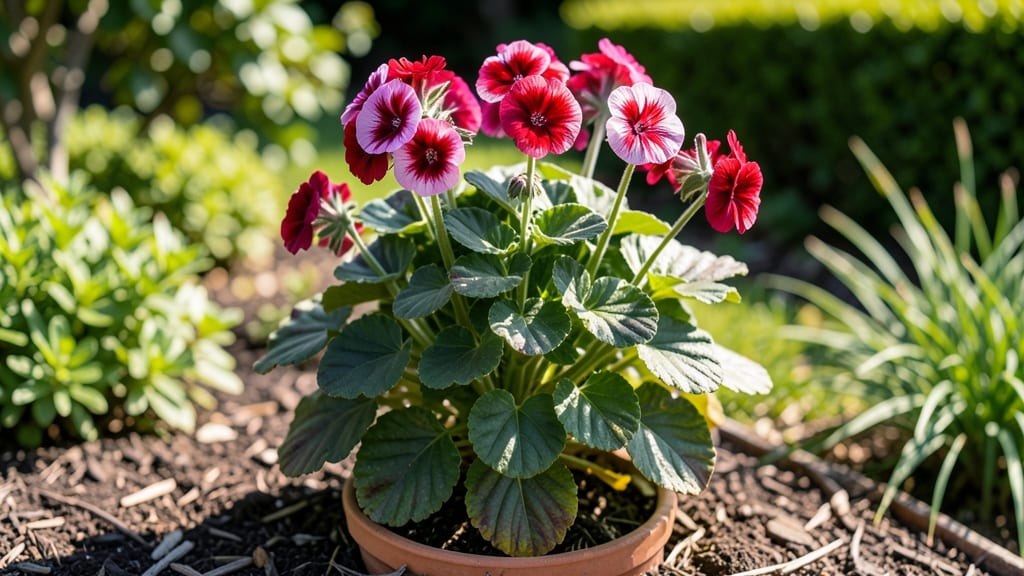
Geraniums don't bloom all summer continuously; most varieties peak in spring and early summer, then produce occasional flowers until frost, though regular deadheading can prolong their flowering season. Hardy types may show light reblooms in fall with proper care.
Geraniums follow natural seasonal rhythms tied to daylight and temperature changes.
Most varieties enter a semi-dormant state after their initial spring-to-summer bloom, though consistent deadheading (removing spent blooms) can encourage prolonged flowering. 🌸 The key is understanding your specific variety—some hardy geraniums like 'Rozanne' naturally bloom longer than others, while tropical types may need winter protection to rebloom.
Proper care transforms what seems like a seasonal limitation into an extended display.
For maximum blooms, I recommend deadheading weekly during peak season and using a balanced fertilizer every 4-6 weeks. In cooler climates, mulching helps protect roots during winter, allowing hardy geraniums to surprise you with late-season flowers.
The trade-off? Geraniums won't match annuals for continuous color, but their resilience and low-maintenance nature make them rewarding plants for gardeners who appreciate seasonal beauty.
💡 In This Article
- Why Geraniums Have Seasonal Blooming Patterns
- Extending Geranium Blooms: Pruning and Care Tips
Why geraniums have seasonal blooming patterns
Geraniums follow a natural biological rhythm called photoperiodism, where their flowering is triggered by specific daylight hours. Most varieties bloom when daylight exceeds 14-16 hours daily, which occurs during late spring and early summer in temperate climates.
This explains why you see peak blooms in May-July—it's their evolutionary response to optimal growing conditions. 🌿 Once daylight shortens in late summer, many geraniums enter a semi-dormant state, reducing flower production until the next growing season.
The process involves complex hormonal signals: when days shorten, the plant's florigen hormone production decreases, signaling the end of the main blooming cycle. Temperature also plays a role—most geraniums need consistent temperatures above 50°F (10°C) to continue flowering.
In hotter climates (USDA zones 8-10), some varieties may continue blooming sporadically until frost, while colder regions see more dramatic seasonal shifts. This explains why your neighbor's geraniums might look different from yours—it's not just about the plant, but your specific climate zone.
Here's what's happening at the cellular level: Each flower bud requires energy to develop, and the plant prioritizes this during peak growing conditions. When resources become limited (due to shorter days or cooler temps), the plant redirects energy to root and foliage growth instead.
This survival mechanism ensures the plant can regenerate in spring. The trade-off? You won't see the continuous blooms of annuals like petunias, but this seasonal pattern makes geraniums more resilient perennials that return year after year.
Light quality matters too—geraniums respond best to full sun with 6+ hours of direct sunlight daily. In shadier conditions, they may produce fewer blooms as the plant focuses on leaf growth to capture more light.
This is why gardeners in northern climates often see shorter blooming seasons compared to those in sunnier southern regions. The good news? Understanding these patterns lets you work with nature rather than against it to extend the blooming period.
Consider these key factors that influence blooming patterns:
- Daylight hours: Critical trigger for initial bloom (14-16 hours needed)
- Temperature range: Optimal 60-75°F (15-24°C) for continuous blooming
- Variety type: Hardy geraniums (like 'Rozanne') outperform tender types in seasonal changes
- Climate zone: Zones 8-10 support longer blooming than colder regions
The most important takeaway is that geraniums are designed to bloom in waves rather than continuously. This isn't a flaw—it's their evolutionary strategy for survival. By understanding these natural patterns, you can better time your care practices to maximize each blooming cycle.
For example, knowing your geraniums will naturally slow down in August helps you adjust watering and fertilizing schedules accordingly. 🌸