
Blooming
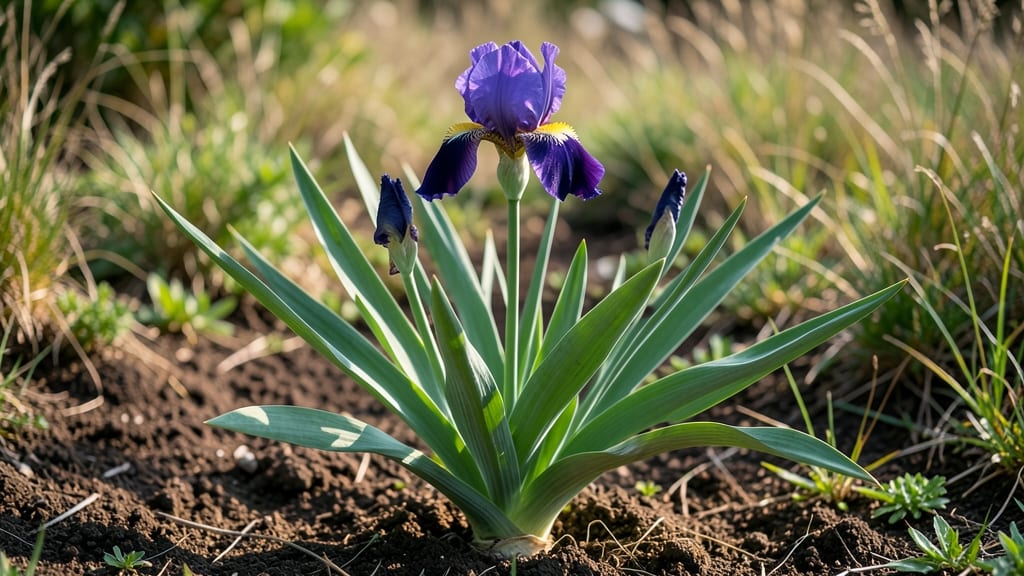
Irises do bloom every year, but their flowering pattern differs from true annual perennials like peonies. Most varieties produce one showy display per season—usually in spring—while select reblooming hybrids may yield a second, smaller flush with proper garden care.
Unlike some perennials that flower consistently year-round, irises follow a seasonal rhythm tied to their growth cycle.
After their spring bloom, they focus energy on building strong rhizomes for next season's growth. 🌸 Reblooming varieties break this pattern by producing a second set of flowers later in summer, but this requires precise care—think balanced fertilization, strategic pruning, and consistent moisture.
The key difference lies in their natural energy allocation: most irises prioritize foliage and root development over multiple blooming cycles.
What many gardeners overlook is how climate and variety affect this pattern. Bearded irises, for example, typically bloom once, while Siberian irises often produce more frequent but smaller flowers.
The secret to encouraging reblooms lies in mimicking their natural conditions—think full sun, well-draining soil, and avoiding over-fertilization during dormancy periods. Even then, second blooms are usually less dramatic than the spring display.
💡 In This Article
- Why Most Irises Follow a Seasonal Bloom Cycle
- How to Encourage Irises to Rebloom Reliably
Why most irises follow a seasonal bloom cycle
Irises operate on a two-phase growth cycle that explains their seasonal blooming. After their spring display, they enter a period of vegetative growth, where energy shifts from flowering to building robust rhizomes (the thick, fleshy roots).
This underground storage system acts like a battery, storing nutrients for next year's bloom. The process is similar to how peonies or daylilies prepare for dormancy, but irises are more precise in their timing—most varieties allocate 80-90% of their energy to rhizome development after flowering.
The timing of this cycle depends heavily on climate zones. In USDA Zones 3-5, where winters are cold, irises often bloom in late spring (May-June) to take advantage of warming soil temperatures. In warmer Zones 7-9, they may flower earlier (March-April) to avoid summer heat stress.
What's fascinating is how temperature triggers this cycle: irises need 4-6 weeks of consistent daytime temperatures above 60°F to initiate blooming, but they also require a period of cooler nights to reset their internal clock for the next cycle. 🌿
This energy allocation explains why most irises produce just one showy bloom cycle. The exception is reblooming hybrids, which have been selectively bred to produce a second, smaller flush in late summer (August-September).
These varieties can allocate 10-20% of their energy to a second bloom because they've been genetically modified to delay dormancy. However, even these require perfect conditions—too much heat or drought can force them into early dormancy, cutting short any potential second bloom.
Another key factor is the leaf-to-flower ratio. Irises need 6-8 healthy leaves per rhizome to support a strong bloom. If you prune too aggressively after flowering, you're essentially telling the plant, "Don't waste energy on next year's blooms—just focus on survival."
This is why many gardeners see fewer blooms the following year after heavy post-bloom pruning. The plant prioritizes maintaining its leaf surface area for photosynthesis over preparing for another flower display.
Light exposure also plays a crucial role. Irises are photoperiod-sensitive, meaning they respond to daylight length. In northern latitudes, shorter days trigger dormancy, while in southern climates, longer days can extend the growing season.
This is why irises in Zone 10 might bloom sporadically year-round, while those in Zone 5 have a strict spring-only schedule. The science here involves phytochrome pigments in the leaves that detect light quality and duration, signaling when to shift from flowering to storage mode.
What most gardeners miss is how soil moisture levels interact with this cycle. During the 6-8 weeks after blooming, irises need consistent moisture to support rhizome development, but they must also experience a drying period in late summer to trigger dormancy.
Too much water during this phase can delay or prevent the plant from "resetting," leading to poor blooming the following year. This is why many gardeners in humid climates struggle with irregular blooming—excess moisture keeps the rhizomes active when they should be preparing for dormancy. ✨