
Blooming
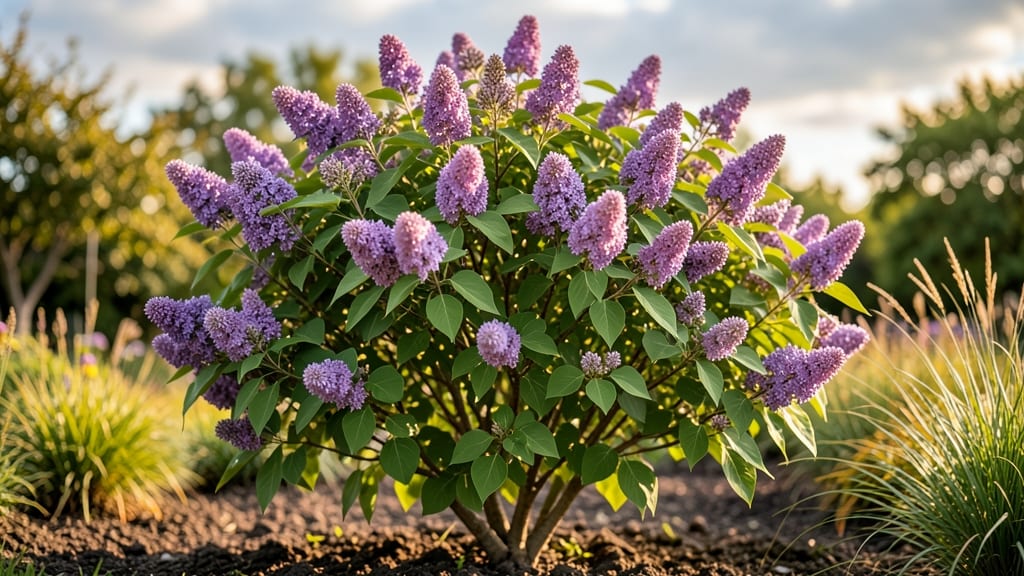
Lilacs do not bloom all summer—they typically flower for just 1-2 weeks in spring, with only late-blooming varieties occasionally extending into early summer. Their bloom timing depends heavily on the specific variety and local climate.
Lilacs are famous for their dramatic spring displays, but their flowering cycle is actually quite short.
Most varieties burst into bloom for just 1-2 weeks when temperatures rise and daylight lengthens, with peak performance typically occurring in April or May. 🌸 What makes this timing fascinating is how sensitive lilacs are to chilling hours—they need a period of cold winter temperatures to trigger their spring bloom.
Some newer cultivars like 'Bloomerang' have been bred to produce a second flush of flowers later in the season, but even these rarely last beyond early summer.
If you're hoping for continuous color, choosing the right cultivar is key. Early bloomers like 'Sylvia' may finish by late April, while late varieties like 'Miss Canada' might linger into June.
The secret to encouraging any reblooming lies in proper pruning after the first flush—cutting back about one-third of the previous year's growth can sometimes stimulate a second round of flowers, though results vary by variety and growing conditions.
💡 In This Article
- Lilac Blooming Seasons by Variety
- Extending Lilac Blooms: Pruning and Care Tips
Lilac blooming seasons by variety
The timing of lilac blooms is governed by a fascinating biological process called vernalization, where cold winter temperatures trigger flower buds to form. Once these buds develop, they require 10-14 hours of daylight daily to fully open.
This explains why most lilacs bloom in spring when both conditions are met: sufficient chilling hours and increasing daylight. 🌸 The exact timing varies dramatically between cultivars—early bloomers like 'Sylvia' may appear as early as late March in warm climates, while late varieties like 'Miss Canada' often wait until May or even June.
Temperature plays a critical role too. Lilacs need 50-60°F daytime temperatures to open fully, but they'll struggle if nights remain below 45°F. This is why late-season blooms sometimes appear in early summer—they're often a response to warm spells after an unusually cool spring.
For example, 'Katherine Havemeyer' typically blooms in early May but may push into June in northern climates where spring arrives later. The fragrance intensity also varies by variety, with early bloomers often having stronger scents due to cooler nighttime temperatures preserving their volatile oils.
What most gardeners don't realize is that lilacs have a built-in 3-4 week bloom window regardless of variety. This is because each flower cluster (called a raceme) contains buds that open sequentially over about 7-10 days.
The entire shrub may take 2-3 weeks to complete its display. This sequential blooming creates that signature layered effect where you see flowers at different stages simultaneously—buds, half-open blossoms, and fully mature flowers all at once.
Climate zones dramatically affect bloom timing. In Zone 5, lilacs might bloom 2-3 weeks earlier than in Zone 7 due to colder winters requiring more chilling hours.
Some southern gardeners in Zone 8 report their lilacs bloom 4-6 weeks later than northern counterparts because the winter chill requirement isn't fully met. This geographic variation explains why you might see lilacs in full bloom in March in Florida but not until May in New York.
For those seeking extended color, newer hybrid varieties offer the best solution. 'Bloomerang' lilacs, for instance, have been bred to produce a second flush of flowers 8-10 weeks after the initial bloom. This reblooming occurs because breeders incorporated genes from species that naturally produce multiple bloom cycles.
However, even these hybrids rarely provide continuous color beyond early summer—they simply extend the total bloom period from 2-3 weeks to 4-6 weeks when properly cared for.
Interestingly, the color of lilac blooms can also indicate maturity timing. Purple varieties like 'Mme. Lemoine' often bloom slightly earlier than white or pink cultivars because their pigments respond differently to light wavelengths. This color-based timing difference can be as much as 5-7 days** between varieties growing side by side.