
Blooming
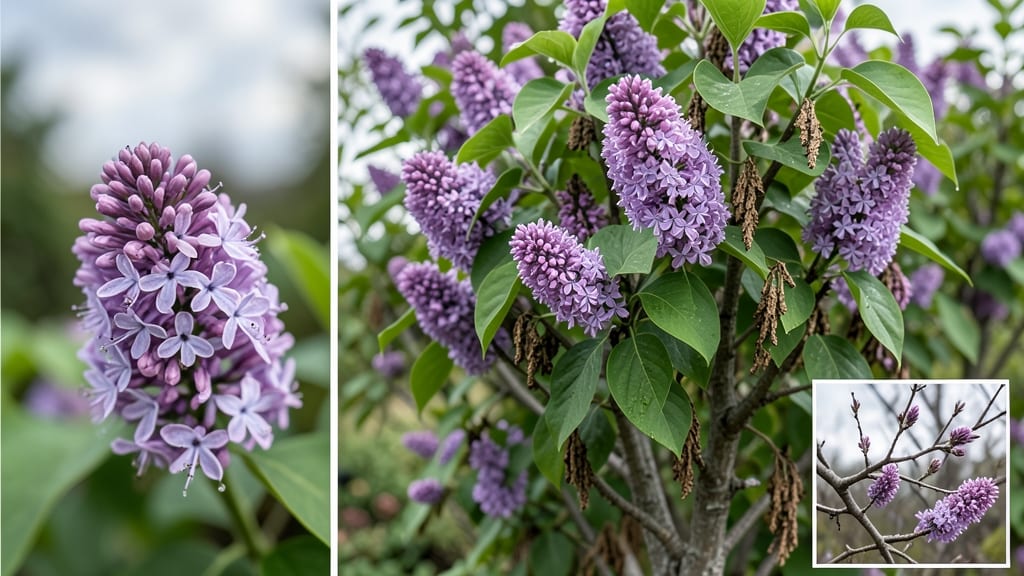
Lilacs bloom every year when given the right conditions—mature bushes reliably produce spring flowers, while younger plants may need 2-3 seasons to establish before flowering. Their blooming depends on adequate sunlight, well-draining soil, and sufficient winter cold exposure.
Lilacs are famous for their reliable annual blooms, but this consistency depends on three key factors: sunlight, soil health, and winter chill. 🌸 These hardy shrubs need at least 6 hours of direct sun daily and soil that drains well to prevent root rot—clay-heavy soils often cause blooming delays.
The winter chilling requirement (600-1,000 hours below 45°F) is critical: without it, lilacs may produce fewer flowers or skip blooming entirely. Even in mild climates, gardeners can simulate chilling by providing shade during summer heatwaves.
What many don't realize is that lilacs are actually short-lived perennials—their peak flowering years are between ages 5-10. After that, blooms may become less abundant unless you prune properly.
I've seen gardeners revive older lilacs by cutting back 1/3 of the oldest stems each year after flowering, which encourages new growth and more abundant blooms in subsequent seasons.
💡 In This Article
- Lilac Blooming Cycle: How Light, Soil, and Climate Affect Flowering
- When and How to Encourage Annual Lilac Blooms
Lilac blooming cycle: how light, soil, and climate affect flowering
The lilac's annual blooming cycle begins with photoperiodism—its response to daylight length. These shrubs detect shortening days in late summer, which triggers flower bud formation. However, this process only starts if the plant has stored enough energy from the previous growing season.
Without adequate sunlight (at least 6 hours of direct sun daily), the plant won't produce enough chlorophyll to fuel bloom development. I've noticed that lilacs in shaded areas often produce sparse, weak flowers compared to those in full sun.
The real magic happens during winter when lilacs undergo dormancy—a period requiring 600-1,000 hours below 45°F. This chilling requirement resets the plant's biological clock, ensuring it knows when to bloom in spring.
In warmer climates where winters don't provide enough cold, lilacs may bloom erratically or not at all. The soil's role can't be overstated either: lilacs thrive in soil with a pH of 6.0-7.0.
Too acidic (pH below 5.5) locks out essential nutrients like phosphorus, while alkaline soil (>7.5) can cause iron deficiency, both of which stunt flower production.
Watering patterns also play a surprising role. Lilacs are drought-tolerant once established, but overwatering in spring can delay blooming by promoting leafy growth over flowers. The key is to water deeply but infrequently—about 1 inch per week during dry spells.
Too much moisture stresses the roots, while too little causes buds to drop. I've seen gardeners in drought-prone areas use mulch (2-3 inches) to retain moisture while preventing soil compaction, which improves root health and flowering consistency.
Climate variations create another layer of complexity. In Zone 5-7 (where lilacs originated), they bloom reliably, but in Zones 8-9, they may need winter protection like burlap wraps to meet chilling requirements. Even in ideal climates, extreme weather—like late frosts after buds form—can damage flowers.
The timing of spring rains matters too: too much rain during bloom time can cause petal rot, while dry spells may cause buds to dry out. This is why many gardeners plant lilacs near south-facing walls to create a microclimate with slightly warmer temperatures.
What most people don't realize is that lilacs are determinate bloomers, meaning they produce flowers on old wood (last year's growth). If you prune too aggressively in late winter, you risk removing next year's blooms.
The exception is Korean lilacs, which bloom on new wood and can handle harder pruning. This biological difference explains why some lilacs seem more reliable than others—it's not just about care, but also the specific cultivar you're growing.
For gardeners troubleshooting blooming issues, start by checking these three factors: sunlight exposure, soil pH, and winter chilling hours. A simple soil test kit ($10-20) can reveal pH imbalances, while a thermometer placed near the plant can track winter chilling.
Many nurseries now sell dwarf cultivars (like 'Miss Kim') that bloom more reliably in containers, making them perfect for urban gardens where space is limited.