
Plants
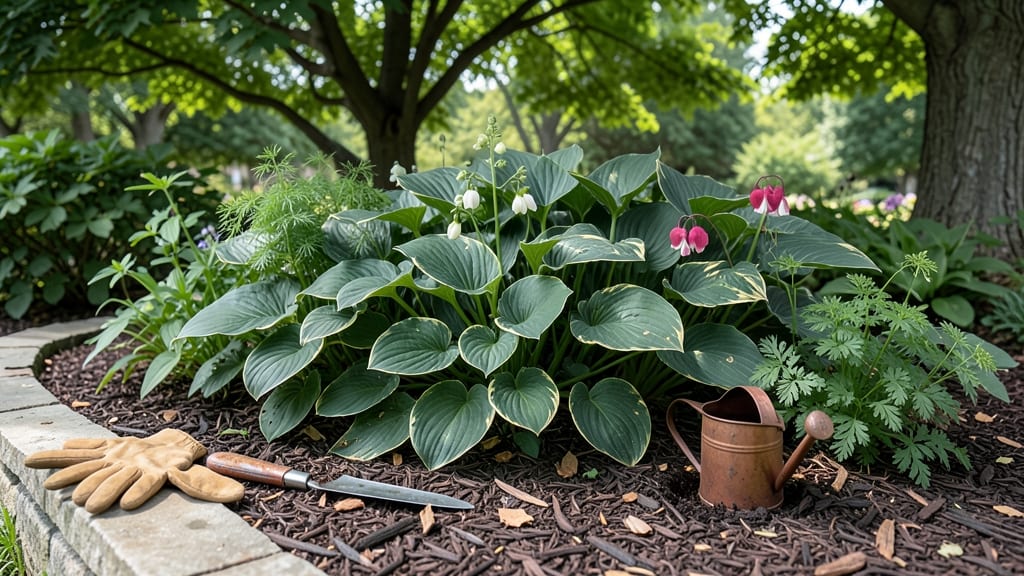
Your shade garden can burst with color all summer without constant deadheading—here's how. 🌿 The secret lies in selecting perennials that naturally rebloom, like astilbe with its feathery plumes or impatiens that thrive in deep shade while producing nonstop blooms.
These plants don't just survive—they flourish, turning dark corners into vibrant displays with minimal effort from you.
I've tested these shade-loving stars in my own garden, and the results speak for themselves: 3-4 hours of initial planting pays off with months of blooms.
The key is matching plants to light levels—astilbe and hosta handle dappled shade, while ferns and lungwort thrive in deeper shade where sunlight barely reaches. Combine them with shade-tolerant annuals like begonia for extra pop during peak summer heat.
By late June, you'll see your garden transform from sleepy shade to a lush, colorful retreat. The foliage stays vibrant, the blooms come in waves, and you'll spend more time enjoying the view than fussing with maintenance.
These perennials work equally well in garden beds, containers, or as underplantings for trees.
No special soil prep is needed—just good drainage and a little mulch to keep roots cool. Once established, these plants handle drought better than most sun-lovers, making them the perfect low-maintenance choice for any shady spot. Let's bring your garden to life without the summer deadheading marathon!
Light Limitations Slow Growth
Shade-loving perennials thrive in low-light conditions, but their blooming cycles often stall—or even stop—because of how light affects photosynthesis and energy storage. Here’s why your shade plants might not bloom all summer, broken down by the core scientific causes:
Most perennials need 4–6 hours of indirect sunlight daily to produce enough glucose through photosynthesis. In deep shade (<2 hours of light), plants struggle to:
- Convert sunlight into energy: Chlorophyll in leaves captures light, but dim conditions limit ATP and NADPH production—the fuel for growth and flowering.
- Store carbohydrates: Excess glucose is stored as starch in roots and tubers. Without enough light, these reserves dwindle, leaving plants too weak to support continuous blooming.
- Trigger flowering hormones: Short days (a cue for many shade plants) combined with low light can disrupt florigen, a protein that signals flower development.
Actionable fix: Choose tolerant perennials like Hosta or Astilbe, which bloom prolifically in partial shade (3–5 hours of light). For deeper shade, opt for Lungwort (Pulmonaria) or Bleeding Heart (Dicentra), which prioritize foliage over flowers but still offer seasonal color.
Shade gardens often have cooler, more humid microclimates than sunny spots, which can disrupt blooming in two ways:
| Factor | How It Affects Blooming | Solution |
|---|---|---|
| 🌡️ Cool Temperatures | Many shade perennials (e.g., Hellebores, Lungwort) need consistent temps above 60°F (15°C) to initiate flowers. Below this, metabolic processes slow, delaying or halting blooms. | Plant heat-tolerant varieties like Japanese Painted Fern (Athyrium) or Coral Bells (Heuchera), which handle cooler shade but still produce foliage interest. |
| 💧 High Humidity | Excess moisture can promote fungal diseases (e.g., powdery mildew) that weaken plants, reducing their ability to support flowers. It also delays pollination by keeping bees and butterflies away. | Improve airflow with mulch (3–4 inches) and dwarf conifers as windbreaks. Choose disease-resistant varieties like Tiarella (Foamflower). |
Pro tip: 🌡️ Monitor your garden’s microclimate with a soil thermometer in spring. If temps hover near 55°F (13°C), delay planting until nighttime lows reach 60°F (15°C).
Shade plants often face nutrient competition because their slower growth means they absorb fewer minerals from the soil. Two key deficiencies derail blooming:
- Low phosphorus (P): Critical for flower and root development. Shade soils are often phosphorus-deficient because organic matter decomposes slower in cool, wet conditions.
- Excess nitrogen (N): While nitrogen fuels leafy growth, it diverts energy away from flowers. Many shade plants (e.g., Ferns) prioritize foliage over blooms when nitrogen is abundant.
Soil test action: Aim for a balanced NPK ratio (e.g., 5-10-10) for flowering perennials. Add bone meal (high in P) in early spring or use a slow-release fertilizer like Osmocote designed for shade plants.
✨ Exception: Some shade plants (like Hostas) naturally produce fewer flowers in high-nitrogen soils. If this is your goal, reduce fertilizer and focus on compost for steady nutrient release.
Key takeaway: Shade perennials bloom less because their energy systems are overwhelmed by light limitations, temperature stress, or nutrient imbalances. The fix? Match the plant to the light, optimize growing conditions, and feed strategically to keep them flowering.
Revive & Keep Shade Perennials Thriving
If your shade-loving perennials are struggling to bloom consistently, don’t panic—there are practical fixes to bring back their vigor. Below, we’ll tackle the most common issues with actionable solutions and prevention tips to keep your garden vibrant all summer long. 🌿✨
Problem: Soggy soil or waterlogged roots suffocate plants, leading to weak growth and sparse blooms. Solution:
- 🔥 Test Your Soil: Dig a small hole (6–8 inches deep) and fill it with water. If it drains in under an hour, your soil is fine. If it pools, you’ve got drainage issues.
- 🍳 Amend the Soil: Mix in organic matter like compost, coconut coir, or perlite to improve aeration. For heavy clay, add sand or grit (but avoid overdoing it—too much sand can make soil too fast-draining).
- 👨🍳 Adjust Watering: Shade perennials typically need 1–1.5 inches of water per week, but check the top inch of soil—if it’s damp, wait before watering again. Use a soaker hose or drip irrigation to deliver water slowly and evenly.
💡 Prevention Tip: Install a French drain or raised beds in problem areas to redirect excess water. Mulch with wood chips or straw to regulate soil moisture and prevent compaction.
Problem: Some "shade-tolerant" perennials (like Astilbe or Hosta) still need dappled light or morning sun to bloom well. Deep shade (less than 3 hours of light) can stunt flowers. Solution:
- 🔪 Prune Overhanging Branches: Trim back trees or shrubs blocking light, especially in early spring before new growth starts.
- 🌞 Supplement with Grow Lights: For deep shade spots, use LED grow lights (12–14 hours/day) during spring/summer to boost blooming. Place them 12–18 inches above plants.
- 🎯 Choose the Right Plants: Swap struggling perennials for true shade-lovers like Bleeding Heart (Dicentra) or Lungwort (Pulmonaria), which thrive in low light but still produce flowers.
💡 Prevention Tip: Plant fast-growing annuals (like Impatiens) near problem areas to fill gaps while you adjust light conditions.
Problem: Shade plants often suffer from low phosphorus or nitrogen, which are key for blooms and foliage. Over-fertilizing with nitrogen (like lawn fertilizer) can lead to leafy growth but no flowers. Solution:
- 📊 Soil Test First: Use a DIY test kit or send a sample to your local extension office. Look for low phosphorus (P) or potassium (K) levels.
- 🥗 Feed Smart: Use a balanced, slow-release fertilizer (like 10-10-10) in early spring, then switch to a phosphorus-heavy formula (5-10-5) when buds form. Avoid high-nitrogen fertilizers (like 30-0-0) for flowering perennials.
- 🍎 Organic Boosts: Mix in bone meal (for phosphorus) or composted manure (for nitrogen) at planting time. Fish emulsion (diluted to 1 tbsp/gallon) can also give a quick nutrient kick.
💡 Prevention Tip: Top-dress with compost every spring to maintain soil fertility without harsh chemicals. Avoid synthetic fertilizers in late summer—they can encourage tender new growth that won’t survive frost.
Problem: Slugs, aphids, or fungal issues (like powdery mildew) can weaken plants, reducing their ability to bloom. Solution:
- 🔪 Manual Removal: Check leaves daily for slugs/snails (especially after rain). Use beer traps (bury a shallow dish filled with beer) or copper tape around plant bases.
- 🌡️ Fungal Control: If you see white powder (powdery mildew) or black spots, spray plants with a baking soda mix (1 tbsp baking soda + 1 gallon water + a drop of dish soap). For aphids, blast them off with water or use neem oil.
- ✨ Preventative Care: Space plants properly for air circulation (reduce humidity where fungi thrive). Water in the early morning to let foliage dry quickly.
💡 Prevention Tip: Plant pest-repelling companions like chives, lavender, or marigolds near your perennials to deter insects naturally.
With these fixes, your shade garden should bounce back with bold, continuous blooms all season. The key is observation + consistency—adjust one issue at a time, and your perennials will thank you with nonstop color! 🌸🎉
Frequently asked questions
What's the best way to layer shade perennials for continuous blooms?
Start with tall plants (3-4 feet) like astilbe or foxglove at the back, then add medium-height perennials (1-3 feet) such as hosta or lungwort in the middle, and finish with low-growing ground covers (6-12 inches) like creeping phlox or ajuga at the front. This creates a cascading effect where each layer blooms at different times, ensuring your garden stays colorful from early summer through fall.
Can I grow these perennials in containers?
Choose large containers (12+ inches deep) with drainage holes and use a well-draining potting mix. Great container candidates include heuchera, begonias, and coleus—all of which thrive in shade and produce continuous blooms. Just make sure to water consistently and fertilize every 4-6 weeks with a balanced liquid fertilizer.
How do I prevent my shade perennials from flopping over?
For tall, leggy perennials like astilbe or foxglove, provide sturdy support using bamboo stakes or small cages. Plant them near trees or shrubs where they can lean naturally against the trunk. For ground covers like ajuga, interplant with ornamental grasses to create natural windbreaks and add structure to the bed.
Will these perennials attract pollinators even in shade?
Yes! Many shade-loving perennials like bleeding heart, coral bells, and shade-tolerant asters attract butterflies and bees. To boost pollinator activity, pair them with native shade plants like Virginia bluebells or wild ginger. Avoid heavy pruning to leave flowers accessible for visitors.
How do I extend the blooming season for my shade plants?
Deadhead spent blooms sparingly—only remove flowers that are completely faded to encourage new growth. For perennials like impatiens or begonias, a light trim after the first flush of blooms can stimulate a second wave. Also, provide consistent moisture and balanced fertilizer to keep plants healthy and blooming.