
Blooming
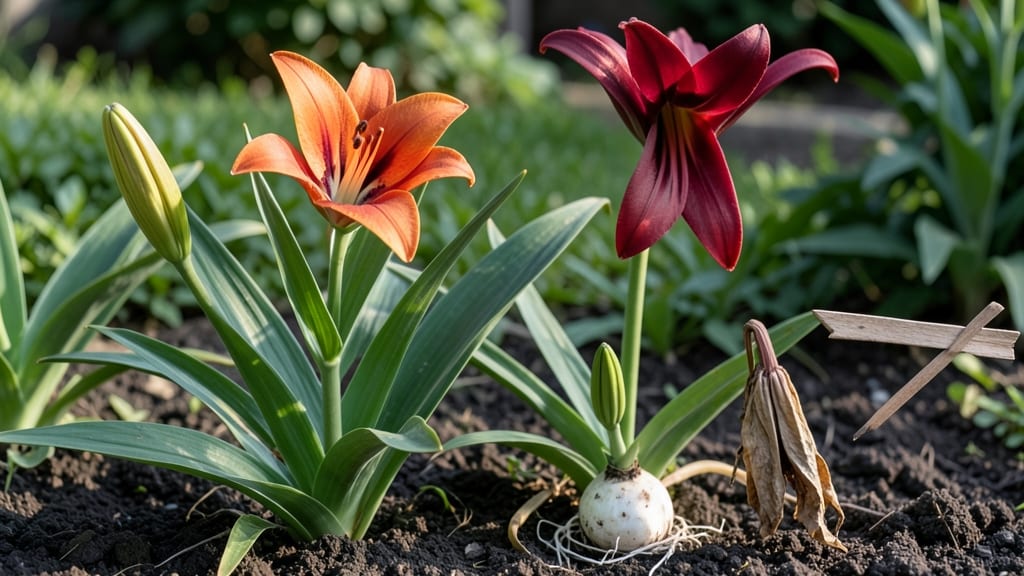
Whether lilies bloom only once depends entirely on the type. Classic true lilies (Lilium) usually flower once per season, while Asiatic and Oriental hybrids often produce multiple blooms with proper care. Daylilies (Hemerocallis) are the reblooming champions, offering continuous flowers throughout the growing season.
Not all lilies follow the same blooming rules—it's all about their genetic makeup and how you care for them. 🌸 True lilies (like the classic Lilium species) put all their energy into one spectacular bloom cycle each year, often in summer.
But their hybrid cousins, especially Asiatic and Oriental varieties, can reward you with second or even third blooms if you remove spent flowers (deadheading) and feed them right. Daylilies take reblooming to another level, producing new flowers daily for weeks, though their blooms only last 24 hours each.
Here's the kicker: reblooming isn't automatic—it takes work. I've seen Asiatic lilies produce stunning second blooms when given balanced fertilizer every 4-6 weeks and consistent moisture. The key is patience: these plants need time to recover between bloom cycles, so don't rush their care.
For daylilies, the secret is removing old flowers before they seed—this redirects energy to new buds instead of seed production.
💡 In This Article
- Lily Blooming Cycles: Why Some Varieties Rebloom While Others Don’t
- How to Encourage Reblooming in Lilies: Pruning, Fertilizing, and Care Tips
Lily blooming cycles: why some varieties rebloom while others don’t
The blooming habits of lilies come down to their genetic programming and evolutionary strategies. True lilies (Lilium species) evolved to produce one dramatic bloom cycle per year, often in summer, because their energy goes into creating seeds for the next generation.
This single bloom is usually larger and more showy, with 6-8 petals and intense fragrance, because the plant invests all its resources in attracting pollinators during that brief window. The root system of true lilies is shallow and bulb-based, which limits their ability to store excess energy for multiple blooms.
Hybrid varieties like Asiatic and Oriental lilies break this rule because they combine traits from different species. Asiatics, for example, often rebloom because they've inherited more efficient energy storage in their rhizomatous root systems, which can spread and store nutrients over multiple seasons.
Oriental hybrids take this further with their larger flower buds (up to 3 inches in diameter) that develop over 6-8 weeks rather than all at once.
Climate plays a huge role too—cooler northern regions may see only one bloom cycle, while milder southern climates can trigger two or even three blooming periods in a single season.
Daylilies (Hemerocallis) are the ultimate rebloomers because they've evolved a completely different strategy. Each individual flower lasts just 24 hours, but the plant produces 10-20 new buds daily along its sturdy stems.
This continuous production happens because daylilies store energy in thick, fibrous roots that can sustain long blooming seasons. The trade-off? Each flower is smaller (typically 2-4 inches wide) and lacks the dramatic structure of true lilies. What they gain in quantity, they sacrifice in individual impact.
The science behind reblooming involves a balance of photosynthesis, carbohydrate storage, and hormonal signals. When you remove spent blooms (deadheading), you're essentially telling the plant to redirect its energy toward new flower production instead of seed development.
This works best in hybrids because their genetic makeup allows for more flexible energy allocation. True lilies, however, are hardwired to prioritize seed production over multiple blooms, making them less responsive to these techniques.
Consider this comparison: A Stargazer lily (true lily) might produce 10-15 buds all at once, while an Asiatic hybrid like 'Pink Perfection' could give you 3-5 bloom cycles over summer with proper care. The difference comes down to how efficiently each variety can convert sunlight into flower energy.
Daylilies take this to extremes by producing hundreds of flowers per season from a single clump, though each individual bloom is ephemeral.
What most gardeners don't realize is that reblooming capabilities are also tied to the plant's age. Young lily plants (especially true lilies) often need 2-3 years to establish strong root systems before they'll even attempt a second bloom.
This is why many gardeners see only one bloom cycle from their first-year lilies—patience is key. The energy storage capacity of the roots determines how many times the plant can "reset" its flowering cycle during the growing season.