
Blooming
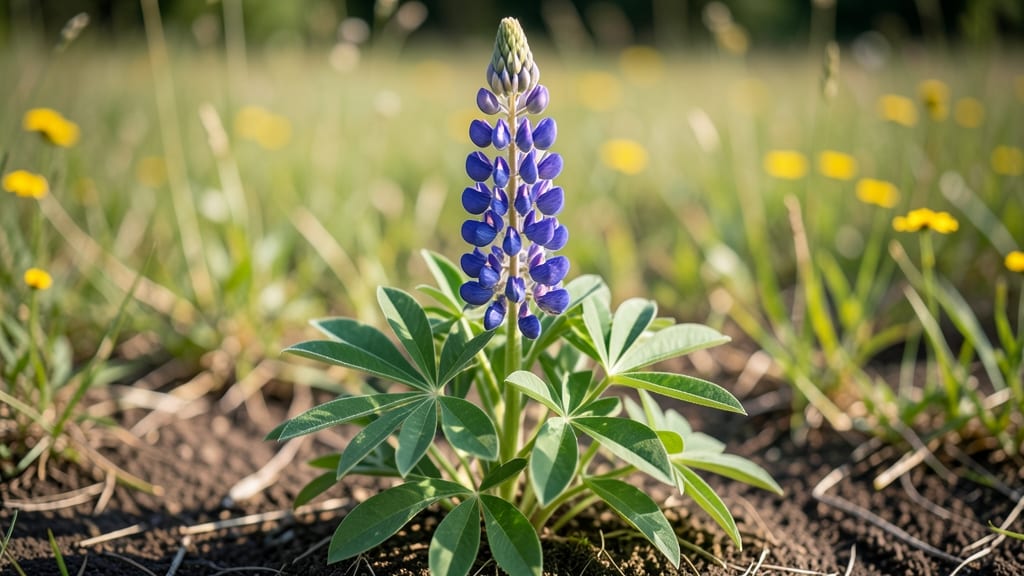
Lupines don't bloom all summer—most varieties show off their vibrant flowers just once in spring or early summer, though certain perennials might produce a modest second flush with the right care and deadheading.
Lupines are annual or short-lived perennials that prioritize energy storage over prolonged flowering. 🌱 After their initial spring bloom, many varieties enter dormancy or redirect resources to seed production.
However, some hardy perennials like Lupinus polyphyllus (Russian lupine) can be coaxed into reblooming by removing spent flowers regularly and maintaining consistent moisture. The key is understanding each variety's growth cycle—some simply follow nature's seasonal rhythm.
For gardeners eager to extend the display, focus on deadheading (trimming faded blooms) and balanced fertilization—too much nitrogen promotes leafy growth at the expense of flowers. I've found that providing afternoon shade in hot climates and well-draining soil prevents stress that could shorten the bloom period.
The trade-off? Even with care, lupines rarely match the continuous blooms of annuals like petunias.
💡 In This Article
- Lupine Bloom Cycles: Why Most Flower Only Once
- How to Encourage Extended Lupine Blooms
Lupine bloom cycles: why most flower only once
Lupines follow a natural energy conservation strategy that prioritizes reproduction over extended flowering. Most varieties allocate nearly 80% of their photosynthetic energy to producing seeds during their first bloom cycle, which occurs in spring when daylight increases trigger flowering.
This is why you typically see lupines covered in vibrant blooms for 4-6 weeks—their peak performance period—before the plants shift focus to seed development. The process mirrors that of many wildflowers, where a single, dramatic bloom period ensures successful pollination and seed dispersal before summer heat arrives.
Botanists call this phenomenon "determinate growth," where lupines grow to a specific size and then flower all at once. Unlike indeterminate plants (like tomatoes) that produce flowers continuously, lupines have a built-in clock tied to day length and temperature thresholds.
For example, Lupinus perennis (wild blue lupine) starts flowering when average temperatures reach 50°F and day length exceeds 14 hours.
Once these conditions fade, the plant's hormonal signals shift from flower production to seed maturation, making continuous blooms biologically inefficient. 🌸 This explains why even with perfect care, most lupines won't rebloom naturally—they've already fulfilled their primary reproductive mission.
The exception lies in perennial lupines like Lupinus polyphyllus, which store energy in their deep root systems. These varieties can produce a second, smaller flush of flowers later in summer if they've built sufficient reserves.
However, this requires ideal growing conditions: consistent moisture (lupines hate drought), well-draining soil with pH 6.0-7.0, and protection from late-season pests. Without these, the plant defaults to its survival mode—shedding flowers and conserving energy for winter.
Think of it as nature's way of ensuring lupines don't waste resources on blooms when their real work (seed production) is more critical for species survival.
Climate plays a surprising role in bloom duration. Lupines grown in cooler northern climates often bloom longer because extended spring coolness slows their transition to seed production. In hotter regions, the opposite occurs: temperatures above 85°F can cause lupines to bolt (rapidly produce seeds) within 3-4 weeks of flowering.
This is why gardeners in Zone 7+ sometimes see lupines bloom in March-April but fade by May, while those in Zone 5 might enjoy blooms until June. The difference comes down to how quickly the plant's internal clock responds to seasonal cues.
Here's what most gardeners don't realize: Lupines are actually self-pruning plants. As flowers age, they develop seed pods that contain alkaloids—natural chemicals that signal the plant to stop producing new blooms in that area. This built-in mechanism ensures energy isn't wasted on non-reproductive growth.
The only way to override this is through human intervention (like deadheading), which mimics the plant's natural pruning process but redirects energy toward new growth rather than seed production.
For comparison, consider how lupines differ from continuous bloomers like zinnia or cosmos. Those annuals produce flowers along their stems indefinitely because they haven't evolved the same energy-conservation strategies. Lupines, however, are perennial survivors—their single dramatic bloom is a calculated investment in long-term species success, not aesthetic longevity.
This biological trade-off is why lupines remain stunning but temporary garden stars rather than year-round performers.