
Blooming
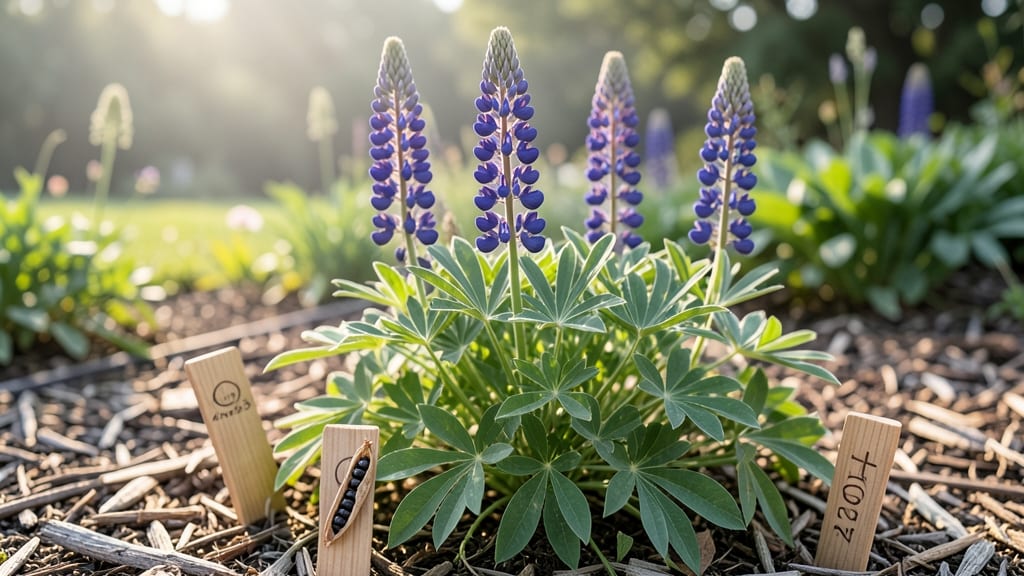
Lupines bloom every year as perennials in most climates, though their flowering cycle varies by species and growing conditions. Some varieties bloom annually, while others may take 2-3 years to establish before producing vibrant flowers reliably.
Most lupines are indeed perennials, meaning they return to bloom each year once established—but their first flowering often depends on growing conditions. 🌸 The key difference lies in their root systems: perennial lupines develop deep taproots that store energy for future blooms, while biennial varieties may need two growing seasons to reach maturity.
In my experience, cooler climates tend to produce more reliable annual blooms, while hotter regions might see delayed flowering as plants conserve energy during stress periods.
What's interesting is how lupines adapt: some species like Lupinus polyphyllus (Russian lupine) typically bloom annually, while others like Lupinus perennis (wild blue lupine) may take 2-3 years to establish before flowering reliably.
The secret to encouraging annual blooms lies in proper soil preparation—well-draining, slightly acidic soil with added phosphorus promotes stronger root development and earlier flowering.
💡 In This Article
- Lupine Flowering Cycles: Perennial vs Biennial Growth Patterns
- Tips to Encourage Annual Lupine Blooms in Your Garden
Lupine flowering cycles: perennial vs biennial growth patterns
Lupines exhibit two primary growth patterns that determine their blooming frequency: perennial and biennial. Perennial lupines, like Lupinus polyphyllus, develop deep taproots that store energy between seasons, allowing them to regrow and bloom annually once established.
These roots can extend 3-5 feet deep, accessing moisture and nutrients that support consistent flowering. In contrast, biennial varieties such as Lupinus perennis focus their energy on leaf and root growth during the first year, only producing flowers in their second year before dying back.
The flowering cycle also depends heavily on climate zones. In cooler regions (USDA zones 3-6), lupines often bloom annually because the shorter growing season pushes them to complete their life cycle quickly.
However, in warmer climates (zones 7-10), many lupines enter a dormant state during summer heat, delaying blooming until fall or even skipping a year entirely.
This adaptation helps conserve energy when soil moisture is scarce. 🌿 For example, Lupinus arboreus (tree lupine) typically blooms annually in coastal California but may take 2-3 years in hotter inland areas.
First-year lupines often skip blooming because their energy is directed toward root and foliage development. This is especially true for biennial species, which prioritize building a robust root system before flowering. Even perennial lupines may delay blooming if planted in poor soil or under stress.
I've observed that lupines planted in sandy or rocky soil often take longer to establish because these conditions make it harder for their deep roots to access nutrients and water.
Another critical factor is the plant's maturity stage. Lupines produce flowers only when they've reached a certain size and energy reserve. For biennials, this means waiting until their second growing season, while perennials may need 1-2 years
The key difference lies in their reproductive strategy: perennials invest in long-term survival, while biennials focus on rapid reproduction before dying.
Light exposure plays a surprising role too. Lupines are short-day plants, meaning they bloom in response to decreasing daylight hours. In northern climates, this triggers annual flowering, while in southern regions, the longer growing season can disrupt this cycle.
For instance, Lupinus texensis (Texas bluebonnet) blooms prolifically in Texas winters but may struggle in Florida's year-round warmth. 🌞 This explains why some lupines appear to "skip" years—they're actually waiting for the right light conditions.
Finally, the species' native habitat influences its blooming pattern. Many lupines originate from Mediterranean climates with hot, dry summers and cool, wet winters. When grown outside these conditions, their natural blooming rhythm can be disrupted.
For example, Lupinus albus (white lupine) blooms annually in its native Portugal but may take 3 years to establish in humid Pacific Northwest climates.