
Blooming
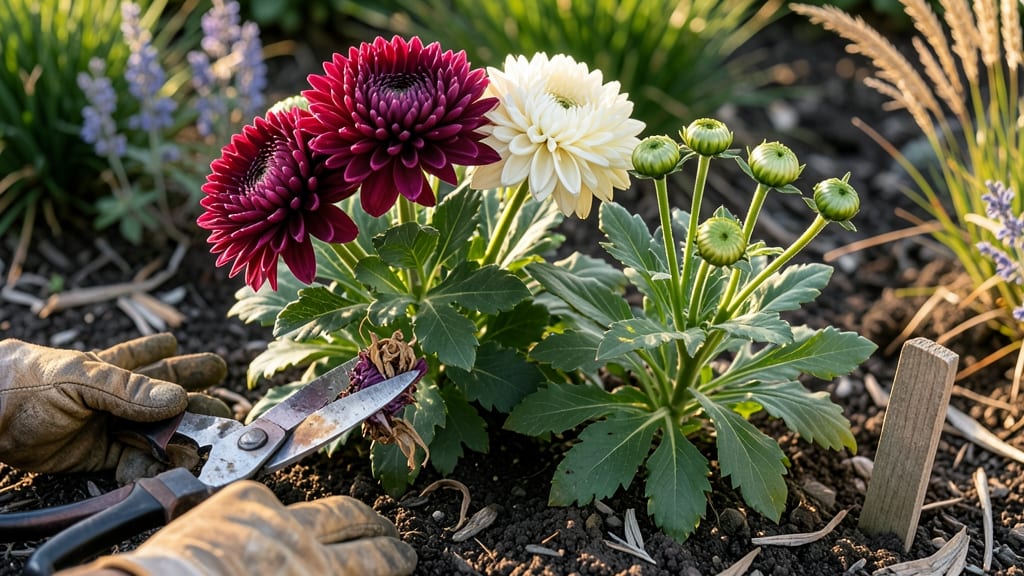
Do mums bloom more than once? Most chrysanthemums produce just one flush of blooms per season, but remontant varieties can rebloom with proper care—like regular deadheading and seasonal maintenance. Cold-hardy types might even flower again in spring if given the right conditions.
Whether your mums will rebloom depends entirely on the variety you've planted. 🌸 Standard garden chrysanthemums are typically one-and-done, putting all their energy into that fall display. However, remontant mums—like 'Bonanza' or 'Dynasity' series—are bred to keep producing flowers throughout the season if you remove spent blooms promptly.
The key is understanding your specific mum's growth habits and adjusting care accordingly.
For those wanting extra blooms, consistent deadheading and balanced fertilization are non-negotiable. I've found that applying a low-nitrogen, high-phosphorus fertilizer every 4-6 weeks after the first flush encourages more blooms.
And don't forget to protect your plants from harsh winter winds—they need that dormancy period to recharge for potential spring reblooming.
💡 In This Article
- Why Most Mums Bloom Only Once Per Season
- How to Encourage Reblooming in Mums
Why most mums bloom only once per season
Chrysanthemums follow strict seasonal cues that trigger their single bloom cycle. Most varieties are short-day plants, meaning they only flower when daylight hours shorten below 12-14 hours—typically in late summer to fall.
This photoperiod sensitivity forces them to allocate all their energy to producing one spectacular display rather than multiple smaller ones. 🌸 The plant's internal clock, controlled by a hormone called florigen, gets activated by these shorter days, signaling the transition from vegetative growth to flowering.
Energy allocation plays a critical role here. When mums begin their bloom cycle, they redirect nutrients from leaf production to flower development. This shift means any remaining energy goes toward maintaining existing blooms rather than generating new ones.
For example, a 12-inch potted mum might produce 50-100 flowers in its single flush, but this massive output leaves little reserve for subsequent blooming. Standard varieties like 'Bright Golden Anne' or 'Mammoth' follow this one-and-done pattern unless you intervene with specific care techniques.
The seasonal trigger extends beyond daylight. Cool fall temperatures (50-65°F) and decreasing humidity create ideal conditions for this single bloom cycle. These environmental factors work together to create the perfect storm for chrysanthemums to focus all their resources on that one spectacular display.
What makes remontant varieties different is their genetic ability to reset this cycle multiple times through the season—something standard mums simply can't do without human intervention.
There's also a biological trade-off at play. Each bloom requires significant energy investment, and producing multiple flushes would spread this energy too thin, resulting in smaller, less vibrant flowers. Nature has programmed most mums to make this one big splash rather than several modest displays.
This is why you'll see garden centers overflowing with chrysanthemums in September and October but rarely finding them blooming again until the following year.
Cold-hardy varieties add another layer to this seasonal behavior. While they might survive winter in zones 5-9, their dormancy period becomes crucial. During these 3-4 months of winter rest, the plant recharges its energy reserves.
Some cold-hardy mums may produce a second, smaller flush in spring if they've stored enough energy, but this is the exception rather than the rule. The plant's survival instincts prioritize making it through winter over producing additional blooms.
Understanding this botanical behavior helps explain why most gardeners see their mums bloom just once. The plant's entire biological system is geared toward this single spectacular event, making it a true seasonal showstopper rather than a continuous performer.
This is where remontant varieties shine—they've been selectively bred to override these natural limitations through careful genetic manipulation.