
Blooming
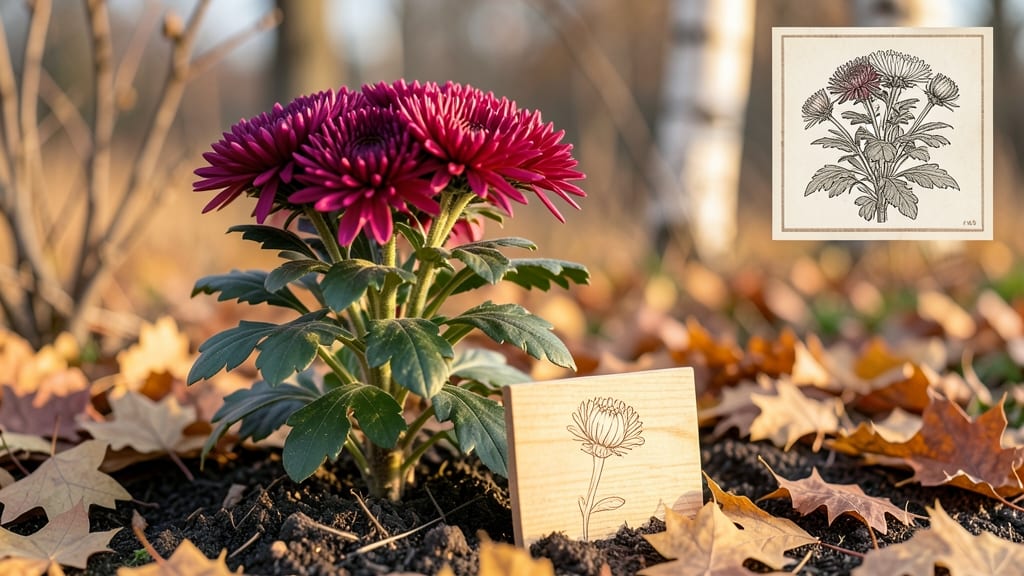
Mums don't always bloom only once—most varieties flower heavily in fall, but reblooming types (like 'Autumn Joy') can produce multiple flushes with proper care, including deadheading and consistent maintenance.
Not all chrysanthemums follow the same blooming pattern—it depends on their genetic makeup. 🌼 Seasonal varieties typically bloom once in fall, triggered by shorter daylight hours, while reblooming hybrids have been selectively bred to respond differently to light and temperature cues.
The key difference lies in their photoperiodism: seasonal mums need specific daylight conditions to trigger flowering, while reblooming types can reset their cycles with proper pruning and care.
For those wanting extended blooms, deadheading spent flowers and fertilizing regularly can encourage new growth. I've found that reblooming mums often need more frequent care—like consistent watering and winter protection—to maintain their vigor.
The trade-off? While seasonal mums are hardier and lower-maintenance, reblooming varieties reward gardeners with longer displays of color.
💡 In This Article
- Why Most Mums Bloom Once and How Reblooming Works
- Tips to Encourage Reblooming in Mums
Why most mums bloom once and how reblooming works
The blooming cycle of chrysanthemums is primarily controlled by photoperiodism—their response to daylight length. Most traditional mums are short-day plants, meaning they bloom when daylight drops below 12-14 hours in late summer to early fall.
This natural trigger explains why they produce their main flush of flowers in autumn. The plant's internal clock, regulated by a hormone called florigen, activates flowering when it detects shorter days, typically around September-October in most climates.
Reblooming mums, however, have been genetically modified to break this cycle. Through selective breeding, these varieties retain the ability to produce multiple flushes of blooms throughout the season.
The key difference lies in their day-neutral characteristics—they're less sensitive to daylight length and can restart their flowering process with proper care. For example, 'Autumn Joy' mums can rebloom if you remove spent flowers and provide consistent nutrients.
This process requires 10-14 days of ideal conditions (warmth and moisture) between each flush.
The science behind reblooming involves manipulating the plant's natural dormancy period. Most mums enter a rest phase after their initial bloom, triggered by cooler temperatures. Reblooming varieties have been bred to reduce this dormancy period significantly.
When you deadhead these mums (removing spent blooms), you're essentially signaling the plant to redirect its energy toward producing new flowers rather than setting seed. This works because the removal of flowers reduces the plant's production of ethylene gas, a hormone that promotes aging and dormancy.
Temperature plays a crucial role too. Reblooming mums typically need daytime temperatures between 65-75°F and cooler nights (50-60°F) to encourage new growth. If temperatures rise above 85°F for extended periods, the plant may enter stress mode and stop producing flowers.
This is why many gardeners in hot climates struggle with reblooming mums—they need afternoon shade and consistent moisture to maintain optimal growing conditions. The right balance of light, temperature, and care can extend the blooming season by 4-6 weeks compared to traditional varieties.
Consider the visual difference: traditional mums produce one spectacular display in fall, while reblooming varieties offer a staggered performance. For instance, 'Proven Winners' reblooming mums can produce three distinct flushes—initial bloom in early fall, followed by two more in late fall and early winter with proper care.
The trade-off is that reblooming mums often have slightly smaller flowers compared to their seasonal counterparts, but the extended display makes them worth the extra effort for many gardeners.
What most gardeners don't realize is that even reblooming mums have limits. After their third flush, most varieties will naturally slow down production as daylight begins to lengthen in early spring.
This is when proper winter care becomes crucial—mulching with 3-4 inches of organic matter helps protect the roots from freezing temperatures, allowing the plant to store energy for next season's blooms.
The right winter protection can mean the difference between a mum that blooms again next year and one that fades away.