
Blooming
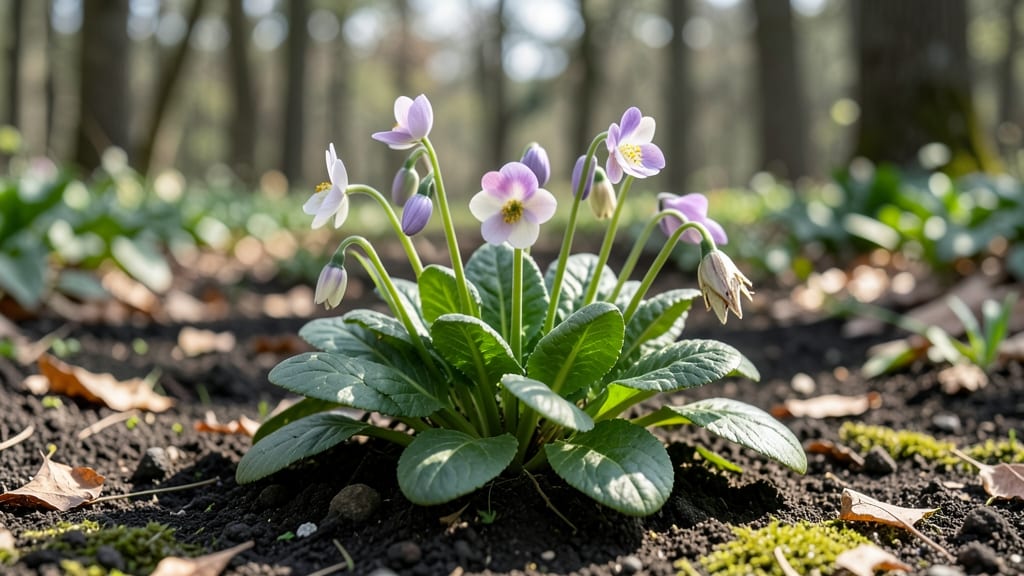
Primroses don’t bloom all summer—unless you choose the right heat-resistant varieties. 🌸 Most primroses fade by early summer, but some cultivars like Primula denticulata and Primula obconica defy the heat with late-season blooms. The trick is matching the variety to your climate and care routine.
Traditional primroses are cool-season perennials, thriving in spring and fall but wilting as temperatures climb. Heat-tolerant types, however, can extend blooms into late June or July with proper shade and consistent moisture. Think of them as the marathon runners of the primrose world—not sprints, but steady, reliable color.
To keep them flowering longer, mulch heavily to retain moisture, deadhead spent blooms, and avoid soggy soil. With the right variety and care, you’ll enjoy primroses well past their usual retirement date. The payoff? A second wave of blooms when most gardeners are already dreaming of fall.
Works best in USDA zones 4-9, though shade is key in hotter regions. Try them in partial shade near hostas or ferns for a cool-season look that lasts longer than expected.
📚 In This Guide
- What you need
- Instructions
- Tips and common mistakes
- Wrapping up and next steps
What you need
- ● Primrose plants: Choose heat-tolerant varieties like Primula denticulata (Toothwort Primrose) or Primula obconica (Oregano Primrose). Buy 3–5 plants to ensure a full display.
- ● Well-draining potting mix: 1–2 bags (10–15 quarts each) of a high-quality, organic-rich mix (e.g., 60% peat/compost, 30% perlite, 10% sand).
- ● Containers or garden bed: For containers: 5–7-inch pots (1–2 per plant) with drainage holes.
- ● For garden beds: A partially shaded spot with moist, well-draining soil (amend with compost if needed).
- ● Mulch: 1–2 bags of organic mulch (e.g., shredded bark or straw) to retain moisture.
- ● Garden trowel or hand shovel for planting.
- ● Watering can or hose with a gentle spray nozzle (primroses hate soggy roots!).
- ● Pruning shears (for deadheading spent blooms).
- ○ pH testing kit (optional) to ensure soil pH is between 5.5–6.5 (primroses prefer slightly acidic soil).
- ○ Shade cloth (optional) for varieties sensitive to intense afternoon sun.
- ● 🌡️ Heat Hack: Water early in the morning to reduce evaporation and stress on plants.
- ● ✨ Variety Boost: Mix in Primula malacoides (Fairy Primrose) for a late-summer rebloom!
How to select and care for heat-resistant primroses
Primroses can indeed bloom through summer—with the right varieties and care.
🌱 Step 1: Choose Heat-Tolerant Primrose Varieties
Not all primroses handle summer heat. Look for candelabra primroses like Primula denticulata or auricula primroses, which thrive in 60-75°F ranges and tolerate brief heat spikes. Avoid traditional English primroses—they wilt in 80°F+ temperatures. I always check the USDA hardiness zone on the tag; zones 4-8 varieties are safest for summer blooms.
For extended summer color, opt for cushion primroses like Primula bulleyana or dwarf polyanthus hybrids. These varieties bloom late spring through early fall if kept moist and shaded. The key is selecting plants bred for heat resistance, not just cold tolerance.
☀️ Step 2: Position for Partial Shade and Moisture
Place your primroses in morning sun with afternoon shade—this mimics their natural woodland habitat. A spot under dappled tree branches or on a north-facing porch works best. Direct afternoon sun (1 PM–5 PM) will scorch leaves, even in heat-tolerant varieties. I test locations by placing a plant in full sun for a week first—if leaves yellow or crisp, move it.
Mulch heavily with 2-3 inches of organic mulch (like shredded bark) to retain moisture and regulate soil temperature. This prevents roots from overheating, which stunts blooms. Water deeply every 2-3 days during heatwaves, ensuring the top 3 inches of soil stay damp—never soggy. Overwatering in heat causes root rot, while underwatering causes buds to drop.
💧 Step 3: Adjust Watering and Fertilizing for Summer
Primroses need consistent moisture to keep blooming, but their water needs shift in heat. In 75°F+, water early morning or late evening to reduce evaporation. I use a soaker hose to deliver water slowly at the base—this prevents leaf burn from overhead sprinklers. Watch for drooping leaves by midday; this is your cue to water immediately.
Fertilize lightly with a balanced 10-10-10 formula every 4-6 weeks during bloom season. Too much nitrogen encourages leafy growth at the expense of flowers. I mix fertilizer into the soil at planting, then top-dress with compost in late summer to replenish nutrients without shocking the plant.
✂️ Step 4: Deadhead and Prune for Extended Blooms
Deadhead spent blooms weekly to encourage new flowers. Use clean pruners to snip stems just above the first set of leaves—this redirects energy to side shoots. I always sterilize my tools with rubbing alcohol first to prevent fungal spread, which thrives in summer humidity. Avoid cutting into woody stems; primroses bloom on current season growth.
After the first flush of blooms, trim back leggy stems by one-third to promote bushier growth. This is especially important for candelabra types, which can get top-heavy. Prune in early morning when stems are firm—this reduces stress on the plant. By late summer, you’ll see fresh buds forming at the base, ready for another round of color.
🌿 Step 5: Protect from Pests and Heat Stress
Slugs and snails love primroses in summer. Set out beer traps (a shallow dish of beer) or apply diatomaceous earth around the base—this keeps pests off without chemicals. I also sprinkle crushed eggshells for a natural barrier. Check leaves daily for yellowing or holes; these are early signs of damage.
If temperatures hit 90°F+, provide temporary shade with a lightweight shade cloth (30-50% block). Mist leaves lightly in the evening to raise humidity slightly, but avoid wetting flowers—this invites mildew. With these adjustments, your primroses will keep blooming well into fall, long after most spring flowers have faded.
Tips & tricks for heat-resistant primroses that thrive all summer
Here's what I've learned over years of nurturing summer-blooming primroses—these tricks make all the difference between wilting disappointment and vibrant, long-lasting color.
Variety Selection Matters: The key to summer success starts with choosing the right primrose types. Candelabra primroses like Primula denticulata are my go-to—they handle the 60-75°F range beautifully and can tolerate brief heat spikes. I always verify the USDA hardiness zone on the tag; varieties rated for zones 4-8 are your safest bet for extended bloom seasons. Avoid traditional English primroses—they simply can't handle temperatures above 80°F without stress.
Shade Strategy for Summer Heat: Positioning is everything. Place your primroses where they receive morning sun but afternoon shade—think under dappled tree branches or on a north-facing porch. I test locations by placing a plant in full sun for a week first; if leaves yellow or crisp by the end of the week, I know it's too harsh. Remember, even heat-tolerant varieties can't handle direct afternoon sun between 1 PM and 5 PM without damage.
Watering Wisdom: The 2-3 inch mulch layer is non-negotiable—it regulates soil temperature and retains moisture. But don't rely solely on mulch: water deeply every 2-3 days during heatwaves, ensuring the top 3 inches of soil stay consistently damp. I've learned the hard way that underwatering causes buds to drop while overwatering leads to root rot. The best time to water is early morning or late evening to minimize evaporation, and I always use a soaker hose to prevent leaf burn from overhead watering.
Heat Stress Prevention: When temperatures hit 90°F+, I don't hesitate to provide temporary shade with lightweight shade cloth (30-50% block). Even a few hours of relief can prevent heat stress. I also mist leaves lightly in the evening to raise humidity slightly—but never wet the flowers themselves, as this invites mildew. This simple adjustment has extended my primroses' bloom time well into fall, long after other summer flowers have faded.
Pro Tips for Do Primroses Bloom All Summer
- Here's what I've learned over years of nurturing summer-blooming primroses—these tricks make all the difference between wilting disappointment and vibrant, long-lasting color.
- Variety Selection Matters: The key to summer success starts with choosing the right primrose types.
- Shade Strategy for Summer Heat: Positioning is everything.
Frequently asked questions
Got questions about primrose blooms and summer heat? You’re not alone!
Here are the most common concerns—and answers—to help you keep your garden vibrant all season.
Do primroses really bloom all summer, or is that just a few varieties?
Not all primroses thrive in summer heat! Most traditional varieties (like Primula vulgaris) wilt by late spring or early summer. However, heat-tolerant types like Primula denticulata or Primula obconica can bloom from spring into early fall with proper care—think shade, consistent water, and well-draining soil.
Why do my primroses stop blooming mid-summer?
Heat stress, drought, or overcrowded roots are the top culprits. Primroses need cool roots! Mulch heavily, water deeply in the morning, and trim spent blooms to encourage reblooming. If your plants look exhausted, they might need a mid-summer trim to redirect energy.
Can I grow primroses in full sun? What’s the best light for summer blooms?
Most primroses hate direct summer sun—it bakes their roots and causes wilting. Aim for morning sun + afternoon shade or dappled light under trees. For full-sun spots, choose Primula denticulata (a tougher variety) and boost mulch to protect roots.
What’s a good summer-blooming alternative if primroses aren’t working for me?
Try these heat-friendly bloomers:
- Impatiens (shadow-loving, non-stop blooms)
- Coleus (colorful foliage, thrives in partial shade)
- Begonias (tubers like Begonia x tuberhybrida bloom all summer)
- Lobelia (spiller plant for containers, loves shade)
How often should I water primroses in summer to keep them blooming?
Water deeply 2–3 times per week (more in extreme heat), aiming for 1–1.5 inches of water. Avoid overhead sprinkling—it promotes fungal issues. Morning watering is key: it reduces evaporation and gives roots a cool start to the day.
Wrapping up and next steps
While primroses are often associated with spring, heat-resistant varieties like Primula denticulata or Primula obconica can extend their blooms into summer with the right care. 🌸 By choosing drought-tolerant types, providing shade, and watering wisely, you can enjoy their cheerful flowers well beyond the usual season.
Don’t let the heat stop you—experiment with these varieties to create a vibrant, year-round garden!
Ready to try? Start small: plant a few heat-loving primroses in a shaded spot and monitor their progress. With a little patience, you’ll have a summer-blooming surprise that keeps your garden lively! 🌿