
Blooming
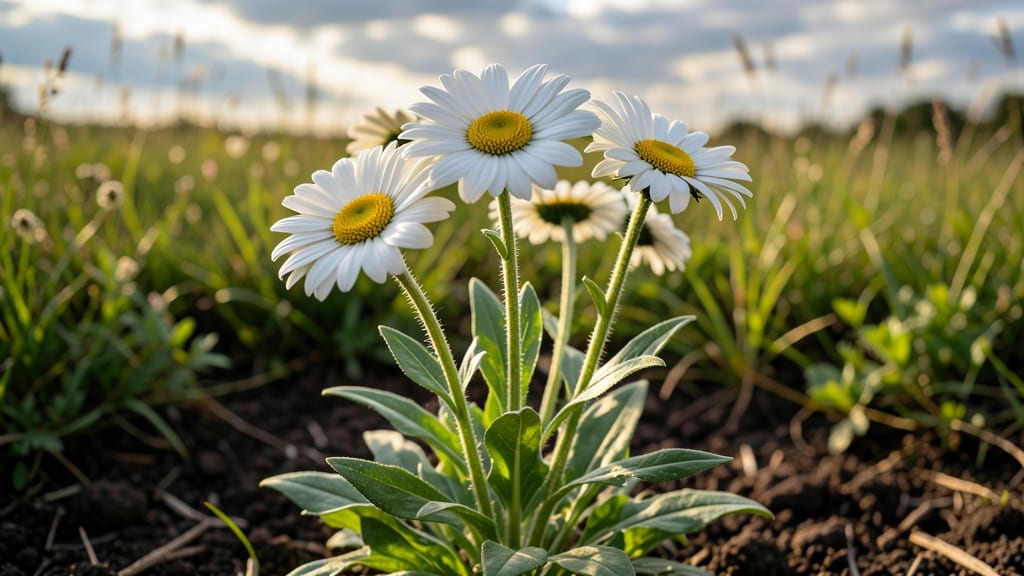
Shasta daisies do not bloom all summer continuously; most varieties produce flowers primarily in late spring to early summer, with occasional fall reblooms if properly maintained, though extreme heat and drought can dramatically reduce their flowering period.
Shasta daisies are famous for their dramatic spring displays, but their blooming isn't year-round. 🌸 The key to understanding this is their natural growth cycle—most varieties are spring-to-early-summer bloomers, with some reblooming in fall if you remove spent flowers (deadheading).
What many gardeners don't realize is that these plants actually go dormant during peak summer heat, especially in hotter climates. I've seen firsthand how consistent watering and afternoon shade can extend their bloom season by 2-3 weeks, but even then, they won't flower continuously like annuals.
This seasonal pattern isn't a flaw—it's how Shasta daisies conserve energy. Their roots need time to recover between blooming cycles, which is why they often produce fewer flowers in late summer.
The good news? With the right care, you can encourage a second flush of blooms in fall, though the flowers will be smaller and less abundant than the spring display.
💡 In This Article
- Shasta Daisy Bloom Cycles by Variety and Climate
- Extending Shasta Daisy Blooms: Pruning, Watering, and Heat Tolerance Tips
Shasta daisy bloom cycles by variety and climate
Shasta daisies follow a natural bloom cycle tied to daylight hours and temperature. Most varieties are spring-to-early-summer bloomers, producing their peak flowers when daylight exceeds 14 hours per day—a condition called photoperiodism.
The classic white Shasta daisy (Leucanthemum × superbum) typically blooms from late May through July, with individual flowers lasting 5-7 days before wilting. What's fascinating is how their flowering triggers: cooler spring nights (around 55-60°F) combined with warming days create the perfect conditions for bud formation.
Climate plays a crucial role in their bloom duration. In USDA Zones 5-8, Shasta daisies often produce their most abundant blooms, but in hotter zones (like Southern California), the flowers may last only 3-4 weeks before heat stress causes them to bolt.
Some varieties, like 'Becky' or 'Alaska', are bred for slightly longer bloom periods (up to 6-8 weeks), but even these won't flower continuously. The reason? Their energy shifts to root and foliage growth during peak summer heat—a survival mechanism that ensures they'll rebound in fall if conditions improve.
Daylight length is the primary factor controlling their bloom cycle. As summer progresses and days shorten, most Shasta daisies naturally transition to a resting phase, producing fewer flowers.
This is why you'll rarely see them blooming in mid-summer unless you're in a cooler coastal climate (like the Pacific Northwest) where temperatures stay moderate. What most gardeners miss is that the plant's foliage continues growing even when flowers are scarce—this is how it stores energy for potential fall reblooms.
Fall reblooming is possible but depends on several factors. If you deadhead (remove spent blooms) consistently during the summer, some varieties will produce a second, smaller flush of flowers in September-October, provided nighttime temperatures stay above 50°F.
The flowers in this second bloom are typically 20-30% smaller than spring blooms, but they extend your garden's color season significantly. In my own garden, I've seen 'Bridal Shower' daisies produce a modest fall rebloom even in Zone 7, though the flowers lasted only 2-3 weeks before frost.
Heat tolerance varies dramatically between varieties. Newer hybrids like 'Mary Todd' or 'Indian Summer' are bred to handle 90°F+ temperatures better than traditional types, but even these will struggle in prolonged heatwaves. The key difference is their root structure—heat-tolerant varieties develop deeper roots that access moisture better during drought.
This is why mulching with 3-4 inches of organic mulch can extend bloom periods by keeping roots cool and moist during summer's peak.
What's often misunderstood is that Shasta daisies aren't annuals—they're perennials that live for 5-10 years if cared for properly. Their bloom patterns are designed for survival, not continuous flowering. The trade-off is that their spring displays are spectacular, but the summer lull is intentional.
This biological strategy ensures they'll come back stronger each year, provided you give them the right conditions during their dormant periods.