
Blooming
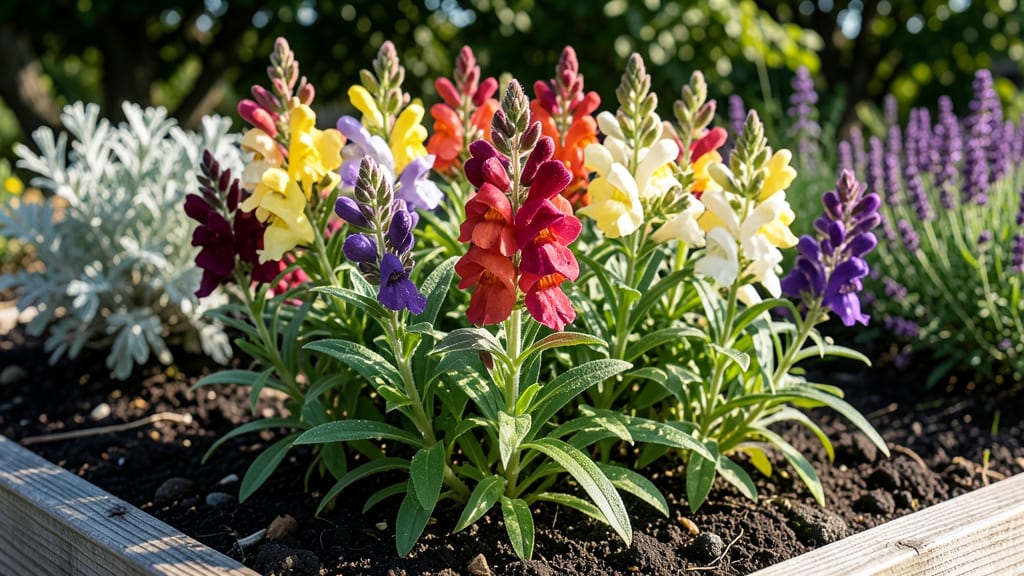
Snapdragons don't bloom all summer, as most varieties flower heavily in spring and early summer before entering dormancy. However, reblooming types like 'Tango' or 'Matrix' can extend flowering with proper deadheading and care, particularly in cooler or shaded conditions.
Most snapdragons follow a natural bloom cycle tied to daylight length and temperature, which explains why they often fade by mid-summer. 🌸 The heat of late summer can stress these plants, causing them to focus on seed production instead of new flowers.
That said, certain varieties—like the 'Matrix' series—are bred specifically to rebloom when you remove spent blooms regularly and provide consistent moisture. I've seen these types continue producing flowers well into fall if given the right conditions.
Cooler climates actually work in your favor here, as snapdragons tend to perform better when temperatures stay below 80°F. If you're in a hotter region, providing afternoon shade can help prolong the blooming season.
The key is to stay proactive with deadheading—snipping off faded flowers just above the next set of leaves encourages the plant to redirect its energy toward new buds rather than seed production.
💡 In This Article
- Snapdragon Blooming Seasons: Why They Fade Mid-Summer
- How to Prolong Snapdragon Blooms Through Late Summer
Snapdragon blooming seasons: why they fade mid-summer
Snapdragons follow a natural bloom cycle driven by daylight length and temperature, which explains why most varieties peak in spring and early summer before fading. This behavior is tied to photoperiodism—the plant's response to changing day lengths.
As summer progresses, longer daylight hours trigger a shift from flowering to seed production, especially in annual varieties. The heat of late summer (above 80°F) accelerates this process, causing stress that leads to dormancy or bolting (premature flowering stems). 🌡️
Perennial snapdragons, like the 'Black Prince' variety, often handle heat slightly better than annuals but still follow this seasonal pattern. The key difference lies in their root systems—perennials store energy underground, allowing them to recover and sometimes rebloom in cooler fall weather.
Annuals, however, have no such reserves and focus all their energy on seed production once the initial bloom cycle ends. This is why you'll see most garden centers stop selling snapdragons by mid-summer—they've already completed their primary flowering phase.
The science behind this involves plant hormones, particularly ethylene and abscisic acid. As temperatures rise, ethylene production increases, signaling the plant to stop flowering and prepare for dormancy. Meanwhile, abscisic acid accumulates in response to heat stress, further triggering the shift to seed production.
This hormonal shift explains why even well-watered snapdragons in hot climates will stop blooming despite your best efforts. 🌱
Daylight length plays an equally critical role. Snapdragons are "long-day" plants, meaning they flower in response to increasing daylight hours. Once the days start shortening in late summer, the plants receive the signal to stop producing flowers.
This is why snapdragons in northern climates (with shorter growing seasons) often bloom more prolifically than those in southern regions, where the heat and longer daylight periods accelerate their decline. The exception? Reblooming varieties like 'Tango' or 'Matrix,' which have been selectively bred to delay this response.
Another factor is soil moisture. Snapdragons are drought-sensitive, and even a brief period of dryness can trigger stress responses that halt flowering. The plant prioritizes survival over aesthetics when water becomes scarce, redirecting resources to root development rather than new blooms.
This is why consistent moisture (about 1 inch per week) is crucial for extending the bloom season. 💧