
Blooming
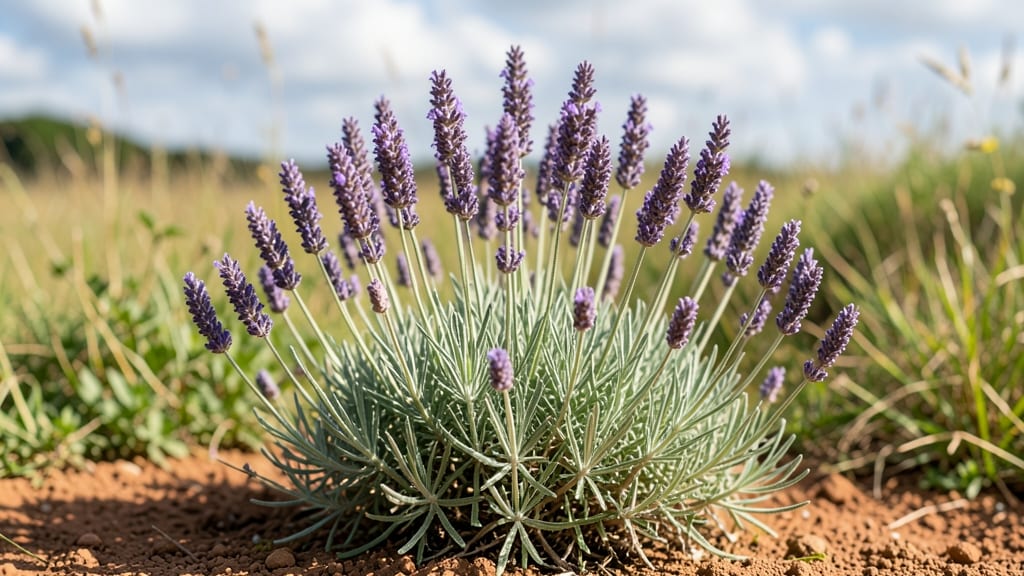
Lavender does bloom all summer in warm climates, though its peak flowering typically occurs in late spring to early summer. Some varieties rebloom in fall, while cold-hardy types may stop flowering in heat zones below 7, and Mediterranean varieties thrive with prolonged summer blooms when properly cared for.
Lavender's bloom patterns depend heavily on its native climate and variety. 🌿 English lavender, for example, often produces its best flowers in early summer, while Spanish lavender can extend blooming into late summer with consistent care.
The key to summer-long flowering lies in proper pruning—regular deadheading encourages new growth, and well-draining soil prevents stress that could shorten the bloom cycle.
I've found that Mediterranean varieties like 'Grosso' handle heat best, continuing to produce fragrant blooms well into August if given enough sunlight and minimal watering once established.
What many gardeners overlook is how temperature fluctuations affect lavender.
While it thrives in zones 5-10, sudden cold snaps can trigger dormancy even in warm climates. 🌡️ For containers, I recommend using lightweight potting mix and elevating pots to improve drainage—this helps prevent root rot, which can weaken plants and reduce flowering.
The right balance of heat, sunlight, and minimal interference from overwatering makes all the difference for summer-long lavender blooms.
💡 In This Article
- Lavender Bloom Cycles by Variety and Climate
- Extending Lavender Blooms: Pruning and Care Tips
Lavender bloom cycles by variety and climate
Lavender's bloom patterns are deeply tied to its botanical origins and native climate zones. English lavender (Lavandula angustifolia), for example, typically produces its most abundant flowers in late spring to early summer, with blooms lasting 4-6 weeks under ideal conditions.
This variety thrives in USDA zones 5-9 and prefers cooler temperatures, which is why it often goes dormant in prolonged summer heat above 85°F. 🌿 In contrast, Spanish lavender (Lavandula stoechas)—native to Mediterranean regions—can extend its flowering season into late summer, often producing a second flush of blooms in fall when temperatures begin to drop.
The key difference lies in their heat tolerance and growth habits. Mediterranean varieties like Spanish lavender have evolved to handle prolonged dry, hot conditions, allowing them to continue blooming well into August if given full sun exposure (6-8 hours daily) and well-draining soil.
French lavender (Lavandula x intermedia), a hybrid of English and Portuguese lavender, bridges this gap by offering both cold hardiness (USDA zones 5-8) and extended bloom cycles, often flowering from early summer through early fall. The secret to their prolonged blooming?
Their deep root systems store water efficiently, reducing stress during heatwaves.
Temperature fluctuations play a critical role in lavender's bloom cycles.
While Mediterranean varieties thrive in consistent heat, sudden temperature drops below 50°F can trigger dormancy even in warm climates. 🌡️ This is why gardeners in zones 7-10 often see lavender bloom in spring, fade in summer, and then rebloom in fall when cooler weather returns.
The plant's natural response to stress—whether from heat or cold—is to conserve energy by reducing flower production. For example, in my own garden in zone 8, 'Grosso' lavender continues blooming through July but may produce fewer flowers in August if temperatures exceed 95°F for extended periods.
Soil composition and moisture levels further influence bloom duration. Lavender prefers alkaline soil with a pH between 6.7-7.3, which helps prevent fungal diseases that can weaken plants. Overwatering is a common mistake that shortens bloom cycles, as soggy roots lead to root rot and stress.
In containers, I've found that using a mix of 50% potting soil, 30% perlite, and 20% coarse sand mimics the well-draining conditions lavender craves. This combination ensures roots stay aerated, allowing the plant to focus energy on flowering rather than surviving waterlogged conditions.
Another factor to consider is daylight exposure.
Lavender is a short-day plant, meaning it flowers in response to decreasing daylight hours. 🌅 In northern climates (zones 5-6), this often results in a single spring bloom, while in southern zones (7-10), the plant may produce multiple blooms throughout the year if given consistent care.
For instance, in zone 9, I've observed 'Provence' lavender rebloom in late summer when daylight hours begin to shorten, even if temperatures remain high. This adaptability makes Mediterranean varieties particularly well-suited for extended summer blooming.
Understanding these botanical nuances helps gardeners select the right lavender variety for their climate. For example, if you're in zone 7 and want summer-long blooms, Spanish lavender is an excellent choice, while English lavender may be better suited for cooler zones where it can fully recharge for next year's growth.
The right variety paired with proper care can transform your garden into a fragrant oasis that blooms well beyond the typical late-spring peak. ✨