
Blooming
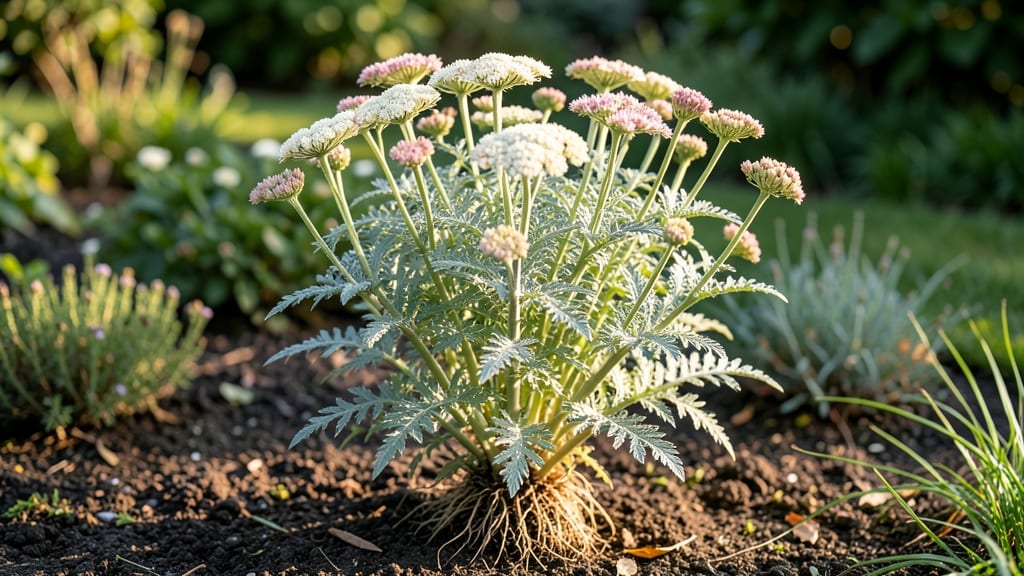
Yarrow does bloom all summer when given the right conditions, typically producing vibrant clusters of flowers from early summer through fall, though late-season blooms may diminish if exposed to prolonged heat or drought without regular maintenance.
Yarrow's extended blooming period comes from its hardy nature and deep root system, which stores moisture and nutrients to fuel continuous flower production. 🌿 Unlike many annuals, yarrow's growth habit encourages multiple flushes of blooms throughout the season, especially when deadheaded regularly.
What sets it apart is its ability to rebound after minor stress—even if flowers fade in extreme heat, new growth often emerges when conditions improve.
To maximize this performance, focus on three key factors: consistent moisture (especially during dry spells), occasional deadheading to redirect energy to new flowers, and light pruning to maintain an open growth habit.
I've found that yarrow thrives in full sun but can tolerate partial shade, making it one of the most adaptable perennials for extended summer color.
💡 In This Article
- Yarrow’s Natural Reblooming Cycle Explained
- Tips to Extend Yarrow’s Summer-to-Fall Bloom
Yarrow’s natural reblooming cycle explained
Yarrow's ability to bloom continuously stems from its unique botanical structure, particularly its deep, fibrous root system that stores water and nutrients like a natural reservoir.
This root system—capable of extending up to 3 feet deep—allows yarrow to access moisture during dry spells, while its extensive lateral roots spread nutrients efficiently. The plant's growth habit is semi-evergreen, meaning it retains some foliage year-round in mild climates, though it may go dormant in extreme cold.
The reblooming mechanism works through a process called prolonged flowering, where yarrow produces multiple flower stalks from the same root system. Each cluster contains tiny white, pink, or red flowers that bloom sequentially rather than all at once.
This staggered blooming pattern continues as long as the plant receives adequate sunlight (6-8 hours daily) and minimal stress. In ideal conditions, yarrow can produce new flowers every 2-3 weeks throughout the growing season, creating a cascading effect of color.
Light exposure plays a critical role in triggering this extended blooming. Yarrow is photoperiod-sensitive, meaning it responds to daylight length rather than strict seasonal cues. When daylength exceeds 14 hours (typical in summer), the plant enters a continuous flowering phase.
However, if temperatures exceed 90°F for prolonged periods, the plant may conserve energy by reducing flower production—a survival mechanism to prevent overheating. This explains why late-season blooms sometimes fade in extreme heat or drought.
Another fascinating aspect is yarrow's ability to self-seed aggressively, which contributes to its long bloom period. Each flower head contains hundreds of tiny seeds that disperse easily, creating new plants that also begin flowering within the same season.
This natural propagation ensures a steady supply of blooms, even if some stems weaken under stress. The plant's hardiness extends to its resilience against pests, thanks to its aromatic foliage that deters many insects.
Seasonal variations also influence yarrow's performance. In early summer, blooms appear in dense clusters, while late-season flowers tend to be sparser but more vibrant. The plant's natural cycle includes a slight dormancy in winter, but with proper care, it often resumes flowering in spring without needing division.
This adaptability makes yarrow a low-maintenance choice for gardeners seeking long-lasting color.
What most gardeners don't realize is how yarrow's blooming cycle mirrors its historical uses. Ancient cultures valued it for its medicinal properties and long-lasting flowers, which aligns with its modern appeal as a drought-tolerant perennial.
The key to maximizing its performance lies in understanding these natural rhythms and providing just enough support to keep the cycle going.