
Blooming
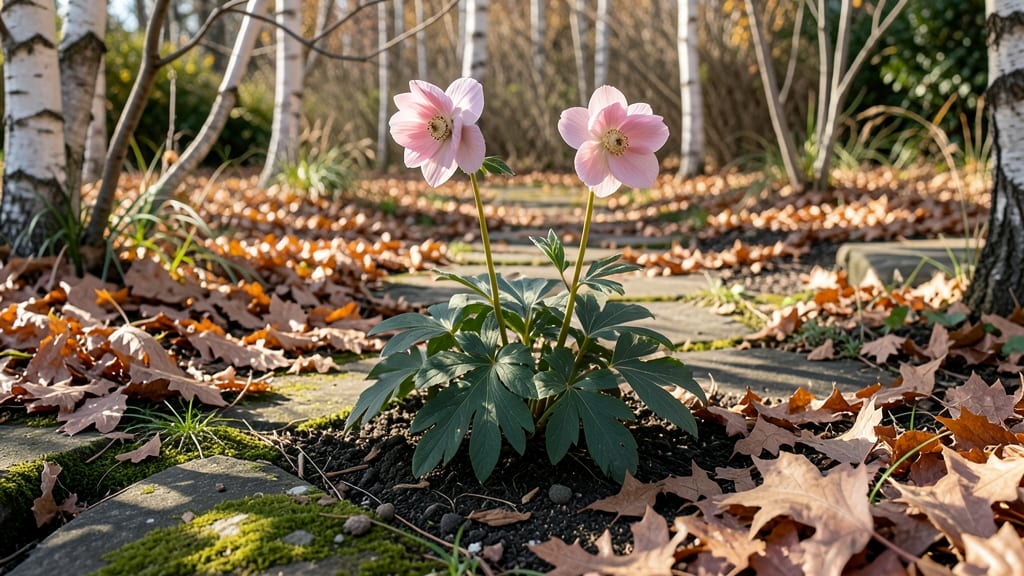
Autumn-blooming flowers like chrysanthemums, asters, and goldenrod bring bold colors to gardens while thriving in cooler weather. These resilient plants keep gardens lively late into the season and support pollinators before winter arrives.
Autumn's cooler climate actually triggers many flowers to bloom, unlike their spring/summer counterparts that wilt in heat. 🌿 These hardy varieties often develop thicker stems and deeper root systems to conserve moisture—a perfect adaptation for fall's drier air.
I've noticed chrysanthemums, in particular, can handle light frosts while still producing vibrant blooms, making them ideal for extending your garden's seasonal interest. The key is choosing varieties that match your local climate zone, as some northern regions get earlier frosts than others.
For beginners, I recommend starting with black-eyed Susans or sedum—both require minimal care and thrive in average garden soil.
These perennials often return year after year, giving you more bang for your buck. 🌸 The secret to their longevity lies in their drought tolerance; once established, they need very little supplemental watering.
When planning your autumn garden, consider planting these alongside late-season vegetables to create a beautiful, functional landscape that keeps giving well into winter.
💡 In This Article
- Why Autumn-Blooming Flowers Thrive in Cool Weather
- Top 5 Low-Maintenance Autumn Flowers for Beginners
Why autumn-blooming flowers thrive in cool weather
Autumn flowers have evolved unique botanical adaptations that make them perfectly suited for cooler temperatures. Unlike spring and summer bloomers that rely on warmth, these varieties often enter a state called vernalization—a process where exposure to cold temperatures triggers flowering.
For example, chrysanthemums require 10-14 weeks of cool weather (50-60°F) before they'll bloom, while many asters need at least 60 days of temperatures below 65°F to initiate flower buds. This cold requirement explains why they bloom later in the season when nights grow chilly.
The thicker, waxier leaves of autumn flowers like goldenrod and sedum help reduce water loss through a process called cuticular transpiration. Their leaves often have a grayish-green hue due to dense trichomes (tiny hair-like structures) that create a protective barrier against dry autumn winds.
This drought resistance means they can thrive even as summer's moisture disappears. 🌿 In contrast, many summer flowers wilt because their thinner leaves can't handle the same moisture stress—think of how marigolds often struggle in late summer heat compared to their autumn counterparts.
Another key advantage is their deep root systems, which allow them to access moisture from lower soil layers where summer plants can't reach.
I've observed that established autumn perennials can draw water from up to 3 feet deep in the soil, while many annual summer flowers only tap into the top 6-12 inches. This root depth gives autumn flowers a survival edge when rainfall becomes scarce.
The trade-off? They often take 2-3 years to fully establish their root systems, which is why planting them in early spring gives them the longest possible growing season to prepare for autumn blooming.
Autumn flowers also have a unique growth cycle called monocarpic reproduction in some varieties, where they produce flowers only once before dying back. This is different from spring bloomers that may flower multiple times in one season.
For instance, many asters will send up a single flush of flowers in autumn, then die back to their roots, only to regrow from the same roots next spring. This strategy conserves energy during the cooler months when growth would be slow anyway. 🌸 The result?
You get that spectacular late-season display without the plant expending resources on multiple blooming cycles.
One fascinating adaptation is how autumn flowers often produce heavier, more durable pollen than their spring counterparts. This helps them attract pollinators like bees and butterflies even as temperatures drop and insect activity slows.
The pollen in autumn flowers tends to be 20-30% more dense than spring pollen, making it easier for pollinators to collect and transport. This is why you'll often see more bees visiting goldenrod in autumn than you would see on summer flowers at the same time of day.
For gardeners in different climates, understanding these adaptations helps explain why some autumn flowers thrive in northern regions while others do better in the south. For example, New England asters can handle light frosts down to 25°F while still blooming, whereas Mexican sunflowers need warmer autumns to perform well.
The key is selecting varieties that match your USDA hardiness zone and your specific microclimate—whether you have a sheltered garden spot or an exposed one that gets early frosts.