
Blooming
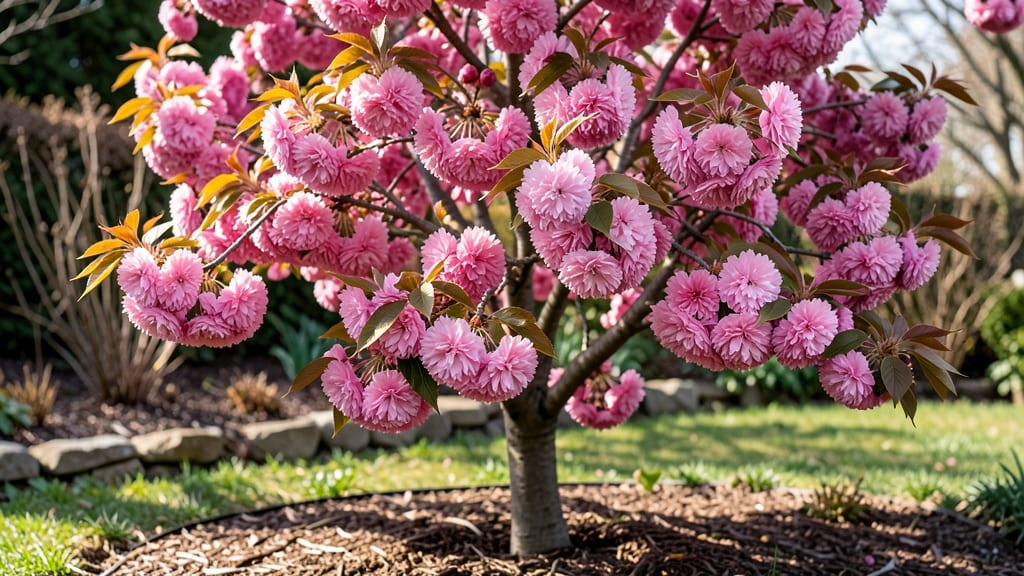
Your double bloom cherry tree could shower your yard with two seasons of pink perfection—if you time the pruning just right. 🌸 I’ve watched these trees go from sparse spring blooms to dramatic double displays after mastering the pruning calendar, and the secret isn’t complicated: it’s all about when you cut.
The magic happens in three key windows: late winter (before buds swell), right after spring blooms fade, and again in early fall. Each cut serves a purpose—winter pruning opens the canopy for sunlight, summer pruning prevents overcrowding, and fall pruning sets up next year’s buds.
Skip any of these, and you’ll end up with fewer flowers or leggy branches that flop in storms. What you’ll get is a tree that bursts into bloom in April and October, with stronger branches to support the weight of flowers.
The difference between a single-bloom tree and a double-bloom showstopper comes down to these precise cuts—no guesswork, just science-backed timing. Works for Prunus avium, Prunus serrulata, and other double-blooming varieties. Let’s get those shears ready!
📚 In This Guide
- What you need
- Instructions
- Tips and common mistakes
- Wrapping up and next steps
What you need
- ● Pruning shears – Sharp, bypass-style shears (for clean cuts on small branches).
- ● Loppers – For thicker branches (1–2 inches in diameter).
- ● Pruning saw – For large branches (2+ inches).
- ● Gloves – Heavy-duty gardening gloves (to protect from thorns and sap).
- ● Disinfectant (rubbing alcohol or bleach solution) – To sterilize tools between cuts.
- ○ Pruning sealant (optional but recommended) – For larger cuts to prevent disease.
- ● Ladder or step stool – If your tree is taller than 6 feet.
- ● Trash bags or bucket – For collecting pruned branches.
- ● Hand pruners with a ratchet – For effortless cutting of larger branches.
- ● Extension pole pruners – If your tree is very tall.
- ● Pruning paint (for sealing cuts) – Adds an extra layer of protection.
- ● Notebook & pen – To sketch a pruning plan before you start.
- ● Safety glasses – To shield against debris when cutting.
Step-by-Step pruning guide for double bloom cherry trees
Here's the precise timing and technique I use to coax two stunning flower cycles from a single cherry tree.
⏰ Step 1: Late Winter Dormant Pruning (Before Bud Break)
Prune your double bloom cherry tree in late winter while it's still dormant, ideally between mid-February and early March in most climates. This timing ensures you remove dead wood without disturbing the spring flower buds that are already forming. Look for branches that are completely bare—they're the first candidates for removal.
Use sharp, clean pruning shears to make cuts at a 45-degree angle, about ¼ inch above an outward-facing bud. This angle helps water run off the cut and prevents rot. I always prune on a dry day to reduce the risk of disease entry points. Remove any branches that cross or rub against each other—they'll create wounds that invite pests and diseases.
✂️ Step 2: Light Summer Pruning (After First Bloom)
After the spring bloom fades, perform a light pruning in late June or early July to shape the tree and encourage fall flowering. Focus on removing any branches that grew too vigorously during spring, particularly those that are thinner than a pencil or growing inward. These weak branches won't contribute to fall blooms and will compete with stronger growth.
This is also the time to thin out the canopy slightly—aim for 10-15% reduction in overall density. You'll see improved air circulation and sunlight penetration, which are crucial for the second bloom cycle. Avoid heavy pruning now; you want to preserve the tree's energy for fall flowering rather than forcing new growth.
🌿 Step 3: Post-Fall Bloom Cleanup (Late Autumn)
Once the fall flowers have faded and the tree enters dormancy again, perform a final light pruning in November to remove any dead or diseased branches that appeared during the growing season. This cleanup prevents winter pests from finding shelter in damaged wood. Look for branches with brown, shriveled leaves or those that broke under snow or ice.
Remove any suckers at the base of the tree—these are vigorous shoots that drain energy from the main structure. I also check for water sprouts (fast-growing, vertical shoots) and prune them back to a lateral branch. These cuts should be made cleanly and at the same 45-degree angle as before. This final pruning prepares the tree for winter and ensures a strong start to the next growing season.
☀️ Step 4: Spring Bloom Maintenance (After Second Bloom)
After the fall flowers have finished, wait until early spring (around March) before performing any additional pruning. This timing allows the tree to recover from the second bloom cycle. Focus on removing any crossing branches or those that grew during the fall that might interfere with next year's blooms. You'll notice these as the tree begins to leaf out.
This is also when I assess the tree's overall shape. If any branches are growing too upright, I'll make a small cut just above a lateral bud to encourage a more open, flowering-friendly structure. The goal is to maintain an open center that allows sunlight to reach all parts of the tree—this is crucial for both bloom cycles. Avoid heavy pruning now, as the tree needs to build energy for next year's flowers.
Tips & tricks for perfect double bloom cherry tree pruning
Mastering this pruning schedule takes patience—but these insights will help you avoid common pitfalls and maximize those stunning double blooms.
Timing is Everything: The mid-February to early March window for Step 1 is non-negotiable for spring blooms. If you prune too early, you risk removing flower buds; too late, and you'll encourage new growth that won't harden off before winter. I've seen trees miss their spring bloom entirely when pruned in January—don't make that mistake! For colder climates, wait until after the last hard frost but before buds swell.
Visual Cues Over Calendars: In Step 2, when assessing branches thinner than a pencil, hold them between your thumb and index finger—they should snap easily. These weak stems won't support fall flowers and compete with stronger growth. Also watch for branches growing at sharper than a 45-degree angle to the trunk; these are prime candidates for removal to open the canopy. The goal is sunlight penetration to all parts of the tree.
Disease Prevention: After every pruning session, immediately disinfect your tools with rubbing alcohol or a 10% bleach solution. I sterilize my shears between each cut when removing diseased branches in Step 3. This prevents bacterial cankers from spreading through fresh cuts. Also work during dry conditions—moisture on fresh pruning wounds creates perfect conditions for fungal infections.
Shape Matters: For Step 4's early spring maintenance, visualize the tree as an open vase shape. The central leader (main trunk) should have 3-4 main scaffold branches spaced evenly around it. Each scaffold should have its own branches growing outward, creating tiers. This structure allows sunlight to reach all flower buds while maintaining air circulation to prevent disease.
Pro Tips for Double Bloom Cherry Tree
- Mastering this pruning schedule takes patience—but these insights will help you avoid common pitfalls and maximize those stunning double blooms.
- Timing is Everything: The mid-February to early March window for Step 1 is non-negotiable for spring blooms.
- Visual Cues Over Calendars: In Step 2, when assessing branches thinner than a pencil, hold them between your thumb and index finger—they should snap easily.
Frequently asked questions
When should I prune a double bloom cherry tree for the best flowers?
Prune your double bloom cherry tree twice a year: late winter (before buds swell) for spring blooms and right after fall flowers fade to encourage next year’s blooms. Avoid heavy pruning in late summer—it can stress the tree and reduce winter hardiness. Think of it as a two-step dance with nature!
How long does it take for a double bloom cherry tree to flower after pruning?
With proper care, your tree can bloom within 2–3 years of planting. However, the first year focuses on establishing roots, so minimal pruning is key. Patience pays off—healthy trees reward you with dramatic double blooms in spring and fall once mature (typically 5+ years old).
Can I prune too much? What are the signs?
Yes! Over-pruning shows up as fewer flowers, sparse foliage, or weak growth. Stick to no more than 25% of the tree’s canopy per year. If you’ve already pruned heavily, skip a season and focus on watering/fertilizing to recover. Think of pruning like haircuts—too short, and regrowth suffers!
Are there alternatives to double bloom cherry trees for small yards?
Consider dwarf varieties like ‘Stella Pink’ or ‘Royal Raindrops’ (both under 10 ft tall). For non-fruiting options, ornamental cherries like ‘Kanzan’ (single bloom but compact) or Japanese maples (fall color + minimal pruning) are great space-savers. Just ensure they fit your sunlight needs!
Why aren’t my double bloom cherry flowers lasting long?
Short-lived blooms often mean pests, disease, or improper care. Check for aphids or spider mites (spray with neem oil if found). Also, ensure your tree gets full sun (6+ hours/day) and well-draining soil. If flowers drop quickly, reduce nitrogen fertilizer—too much promotes leaves over blooms.
Wrapping up and next steps
Transforming your double bloom cherry tree into a stunning spring and fall spectacle is all about timing, patience, and care! By following the right pruning schedule—lightly shaping in late winter and strategically thinning in early summer—you’ll encourage those breathtaking double blooms year after year. 🌸✨
Ready to see your tree thrive? Grab your pruners and start planning your next session—your future floral masterpiece awaits! For extra confidence, bookmark this guide or share it with fellow gardening enthusiasts to spread the joy of blooming success.