
Blooming
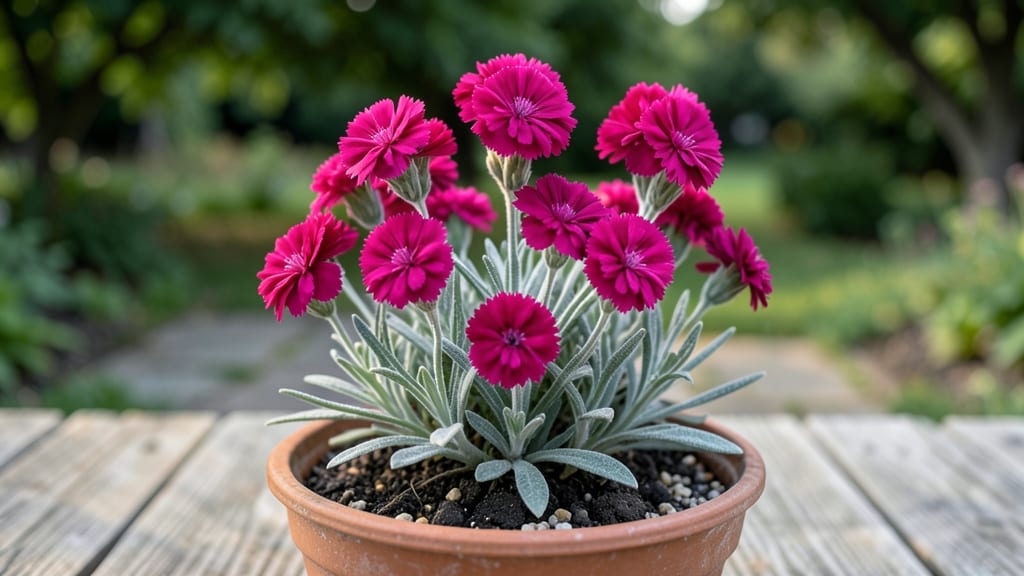
Firewitch Dianthus bursts into fiery pink blooms the moment spring rains soften the soil—usually by late April in my Zone 6 garden, though timing shifts with your climate. 🌸 The secret to coaxing those vibrant flowers lies in understanding its cool-season nature: it thrives when summer heat hasn’t yet arrived, often reblooming again in fall with cooler temperatures.
What most gardeners miss is how sunlight and soil prep can shift that bloom window by weeks.
This dianthus loves full sun but tolerates partial shade, which can delay blooming until temperatures stabilize. Well-draining soil with a touch of grit—think 10% perlite or sand—prevents rot and encourages those bold flowers to appear faster.
I’ve found that planting in early spring (after frost) gives roots time to establish before the heat arrives, while fall planting can produce a second flush of blooms the following year.
Pruning spent blooms after they fade keeps the plant focused on new growth, while a light trim after the first bloom rush encourages a second round of flowers. The payoff? A border that stays colorful from late spring through early summer, with potential for fall reblooms in milder climates.
Even in hotter zones, shade cloth can extend the bloom season by weeks.
For gardeners in warmer areas (Zones 7-9), treat Firewitch like a spring ephemeral—plant it to bloom early and enjoy its show before summer heat sets in. The key is patience: these plants reward gardeners who give them the right conditions, not the fastest results.
Start with well-prepared soil, and you’ll have blooms when you least expect them.
📚 In This Guide
- What you need
- Instructions
- Tips and common mistakes
- Wrapping up and next steps
What you need
- ● Firewitch Dianthus plants: 3–5 mature plants (or seeds for growing from scratch). Choose healthy, disease-free specimens with strong root systems for best results.
- ● Well-draining potting mix: 10–15 gallons (for containers) or amended garden soil (for in-ground planting). Mix with perlite or sand (20–30% by volume) to prevent soggy roots.
- ● Slow-release fertilizer: 10-10-10 or 5-10-10 (5–10 lbs per 100 sq ft of garden bed). Look for organic options like composted manure or bone meal for a gentler boost.
- ● Mulch: 2–3 inches of pine straw or shredded bark to retain moisture and regulate soil temperature.
- ● Watering can or drip irrigation: With a fine rose attachment to avoid disturbing delicate blooms.
- ● Garden trowel or hand shovel for transplanting or soil prep.
- ● Pruning shears (sterilized with rubbing alcohol) for deadheading and shaping.
- ○ pH testing kit (optional but helpful). Aim for a soil pH of 6.0–7.0—Dianthus thrives in slightly acidic to neutral conditions.
- ● Sunlight gauge: A sun calendar or app to track 6+ hours of direct sun daily (critical for blooming!).
- ○ Protective gloves (optional) to guard against thorns on some Dianthus varieties.
- ● Epsom salt (1 tbsp per gallon of water) for a magnesium boost—spray foliage monthly for richer blooms.
- ● Copper fungicide spray (pre-mixed) to preempt powdery mildew in humid climates.
- ● Decorative rocks or gravel for container gardens to enhance drainage and aesthetics.
- ● Bloom-boosting supplements like fish emulsion (diluted to 1 tbsp per gallon) for a mid-season growth kick.
How to time Firewitch Dianthus blooms for season-long color
This cool-season favorite delivers its signature pink flames twice a year—here's how to coax the most dramatic reblooms.
🌱 Step 1: Plant in Late Summer for Fall Blooms
Set out your Firewitch plants in late August to early September when soil temperatures drop below 75°F. The key is giving roots time to establish before winter chills trigger dormancy. I plant mine in full sun (at least 6 hours daily) with well-draining soil—this variety hates soggy feet.
Space plants 12-18 inches apart to allow airflow, which prevents powdery mildew. The first flush of blooms arrives in late September to October, just when most gardens fade. You'll know you've timed it right when buds form within 4-6 weeks of planting—look for the distinctive magenta-pink flames emerging from white centers.
☀️ Step 2: Prune After First Bloom Wave
Once the fall blooms fade, cut back stems by one-third using clean, sharp shears. This encourages a second round of buds that will bloom again in late winter to early spring—the plant's signature rebloom. I always prune on a dry morning when stems are firm to avoid spreading disease.
Remove only the spent flowers, not the entire stem. The lower leaf pairs contain dormant buds that will push new growth. You'll see fresh shoots appear within 2-3 weeks if the plant's had enough water and nutrients. This second bloom wave arrives just as spring rains moisten the soil, creating the perfect conditions.
💧 Step 3: Water Strategically Through Dormancy
Reduce watering in late fall once growth slows, but don't let soil dry completely. Aim for deep watering every 2-3 weeks during dormancy—just enough to keep roots from shriveling. The plant's natural resilience makes it drought-tolerant, but consistent moisture prevents bud blast.
In early spring, resume regular watering when you see new shoots emerge. Water at the base (not overhead) to protect petals from fungal spots. You'll know your timing is perfect when buds form again by mid-March, typically 6-8 weeks after the first spring rains. The second bloom wave peaks in April to May, lasting 4-6 weeks with proper care.
✂️ Step 4: Deadhead and Fertilize for Extended Blooms
After each bloom cycle, deadhead spent flowers immediately to redirect energy to new buds. I use my fingers to pinch off faded blooms—no need for shears. Follow with a light application of balanced fertilizer (10-10-10) in early spring and again after the first summer heat wave. This variety responds well to feeding but never over-fertilize—too much nitrogen produces leaves instead of flowers.
Watch for buds forming along the stems—this is your signal the plant is ready for another cycle. With proper deadheading, you can extend blooms into early summer before the heat sets in. The plant naturally slows production when temperatures exceed 85°F, so provide afternoon shade if your summers run hot.
🌿 Step 5: Prepare for Next Season's Performance
In late summer, apply 2-3 inches of mulch around the base to protect roots from heat stress. This also prevents weeds from competing for nutrients. I use straw mulch because it breaks down slowly and improves soil structure over time.
If your climate has freezing winters, protect plants with a light frost blanket during the coldest months. Firewitch Dianthus thrives in USDA Zones 3-9, but even in colder regions, it returns reliably each spring. You'll know your plants are healthy for next season when they produce strong basal rosettes by October—these are the energy reserves that fuel spring reblooms.
Tips & tricks for perfect Firewitch Dianthus blooms
These simple secrets will help you coax the most vibrant, long-lasting blooms from your Firewitch plants all season long.
Timing is Everything: The 6-hour daily sun requirement is non-negotiable for those signature magenta-pink flames. I've found that positioning plants where they get morning sun and afternoon shade works best in hotter climates—this prevents leaf scorch while still giving them enough light to bloom. Early morning sun (before 10am) is especially important for bud formation.
Pruning Precision: When cutting back stems by one-third in Step 2, focus on removing only the oldest growth—never cut into the basal rosette where next year's buds form. I like to use clean pruning shears dipped in rubbing alcohol between cuts to prevent disease spread. The 2-3 week window for new shoots to appear is your quality check—if you don't see growth, your plants may need more nutrients.
Watering Wisdom: That 2-3 week deep watering schedule during dormancy might seem sparse, but it's crucial. I test soil moisture by sticking my finger 2 inches down—if it feels dry, that's when to water. The key is maintaining just enough moisture to keep roots alive without encouraging rot. Overwatering is the #1 reason Firewitch plants fail to rebloom.
Pro Tips for Firewitch Dianthus Bloom Time
- These simple secrets will help you coax the most vibrant, long-lasting blooms from your Firewitch plants all season long.
- Timing is Everything: The 6-hour daily sun requirement is non-negotiable for those signature magenta-pink flames.
- Pruning Precision: When cutting back stems by one-third in Step 2, focus on removing only the oldest growth—never cut into the basal rosette where next year's buds form.
Frequently asked questions
Got questions about Firewitch Dianthus bloom time? You’re not alone!
Here are answers to the most common ones—so you can enjoy those fiery blooms all season long.
When does Firewitch Dianthus typically bloom?
Firewitch Dianthus usually blooms in late spring to early summer, with peak performance in May and June. However, it’s a cool-season lover, so it may also produce sporadic blooms in fall or early spring if temperatures dip. Consistent moisture (like spring rains) triggers reblooming—just what this variety loves!
How long do the flowers last on Firewitch Dianthus?
Individual blooms last about 1–2 weeks, but the plant itself is a rebloomer! With proper care (deadheading, watering, and cool temps), you’ll see new flowers every few weeks throughout the growing season. Think of it as a firework show that keeps coming back!
Why isn’t my Firewitch Dianthus reblooming like it should?
Reblooming can stall due to heat stress, overcrowding, or lack of water. Try these fixes:
- Deadhead spent blooms to encourage new growth.
- Water deeply 1–2 times per week (more in extreme heat).
- Ensure it gets 6+ hours of sun but shade in scorching afternoons.
- Fertilize lightly with low-nitrogen, high-phosphorus feed in early spring.
Can Firewitch Dianthus survive winter?
Yes! This hardy perennial thrives in USDA Zones 3–9 and handles winter well. For extra protection, mulch around the base with 2–3 inches of straw or shredded leaves. In extreme cold (below 0°F), a light cover of burlap can help. Come spring, it’ll bounce back with bold, vibrant blooms!
What are some great companion plants for Firewitch Dianthus?
Pair Firewitch Dianthus with complementary colors and textures for a showstopping garden:
- Silver foliage plants (like lamb’s ear or artemisia) for contrast.
- Purple or blue flowers (e.g., catmint, salvia) to make the red blooms pop.
- Low-growing perennials like creeping thyme or ajuga to fill gaps.
- Ornamental grasses (like fountain grass) for movement and height.
Wrapping up and next steps
The Firewitch Dianthus is a stunning cool-season gem that rewards patience with vibrant blooms—especially when spring rains kick in! 🌧️💐 Its ability to rebloom makes it a low-maintenance yet high-impact choice for gardeners.
Whether you’re a beginner or a seasoned plant parent, this hardy perennial proves that beauty thrives with just a little care and timing.
Ready to bring Firewitch magic to your garden? Start by checking your local frost dates, then plant your seeds or bulbs this fall for a showstopping spring display. Happy gardening! 🌱✨