
Blooming
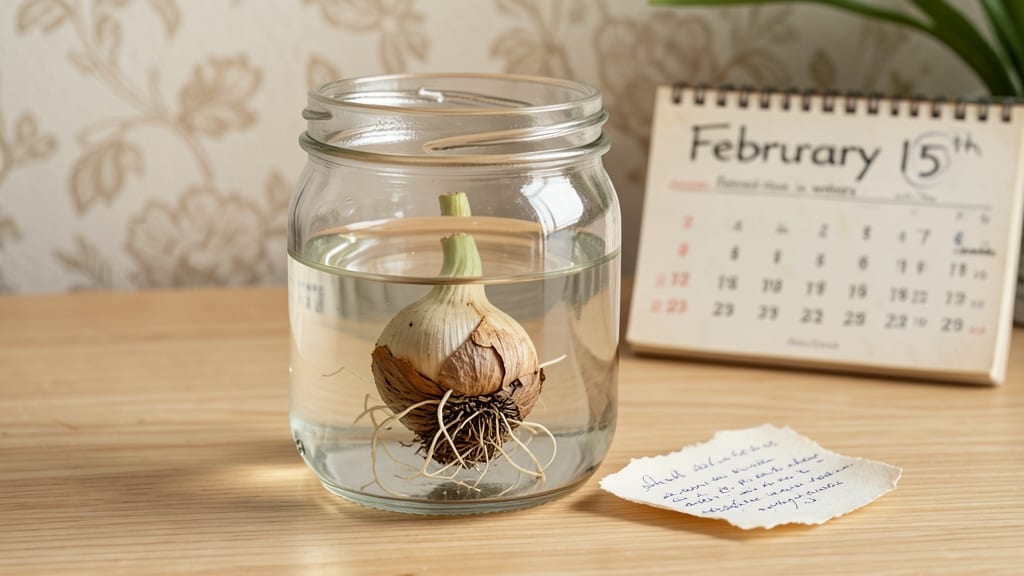
Tulip bulbs forced in water typically will not bloom again because the process depletes their energy reserves and disrupts the natural dormancy cycle required for future flowering. Replanting them in soil may restore blooming potential in 1-2 years with proper care.
When you grow tulip bulbs in water, they focus all their energy on producing stems and leaves for indoor display rather than storing nutrients for future blooms. 🌱 This method mimics their natural spring growth but skips the critical summer dormancy period when bulbs recharge.
Even after replanting, bulbs may take 1-2 years to rebuild enough energy to flower again, assuming they receive full sun and well-draining soil.
For best results, replant bulbs in autumn after their indoor display ends, using a mix of garden soil and compost. The key is patience—these bulbs prioritize root development first before considering flowering. I've found that adding a balanced bulb fertilizer in early spring helps jumpstart their recovery process.
💡 In This Article
- How Forcing Tulips in Water Affects Their Flowering Cycle
- Reviving Water-Grown Tulip Bulbs for Future Blooms
How forcing tulips in water affects their flowering cycle
When you place tulip bulbs in water to force blooms indoors, you're essentially tricking them into breaking dormancy early. In nature, tulips rely on a 6-8 week cold period followed by gradual warming to trigger flowering.
Water-forcing bypasses this natural rhythm, causing bulbs to expend energy on stem and leaf growth instead of storing nutrients for future blooms. This process depletes their carbohydrate reserves—typically stored as starch in the bulb—by up to 70% within 4-6 weeks, leaving little energy for reblooming.
The real issue lies in how tulips store energy. In soil, bulbs photosynthesize through their green foliage during summer, converting sunlight into stored starch.
When forced in water, they can't perform this critical function because their leaves remain indoors with limited light exposure. 🌱 Even with artificial grow lights, the energy deficit remains significant.
Studies show that tulips forced in water lose 30-50% more reserves than those grown in soil because they can't replenish through photosynthesis.
Another key factor is the bulb's root system. In soil, roots develop slowly over time, creating a network that absorbs water and nutrients efficiently. Water-forcing creates a different root structure—often sparse and weak—because the bulb isn't anchored in growing medium.
This makes it harder for the bulb to recover its strength after replanting. The combination of depleted reserves and underdeveloped roots explains why most water-forced tulips fail to bloom again in their first year after replanting.
There's a biological trade-off at play here. Tulips evolved to prioritize flowering in their first growing season when conditions are optimal. When you force them indoors, you're essentially asking them to perform this energy-intensive task without the proper preparation.
The bulb's survival instinct kicks in after flowering, focusing on rebuilding reserves rather than producing another bloom cycle. This is why replanting often requires 1-2 full growing seasons of recovery before you might see flowers again.
Consider this comparison: A tulip bulb in soil builds up enough energy to flower in spring, then spends summer storing nutrients for next year's bloom. A water-forced bulb uses up those stored nutrients to flower indoors, with no opportunity to recharge.
It's like trying to run a marathon after a long fast—your body prioritizes immediate energy needs over long-term recovery. 💪 The same principle applies to tulip bulbs.
What most people don't realize is that even successful replanting doesn't guarantee immediate blooms. The bulb must first establish a strong root system and rebuild its starch reserves to at least 50% of original levels before considering flowering again.
This typically takes 6-12 months of optimal growing conditions, including 6+ hours of sunlight daily and well-draining soil with pH 6.0-7.0.