
Blooming
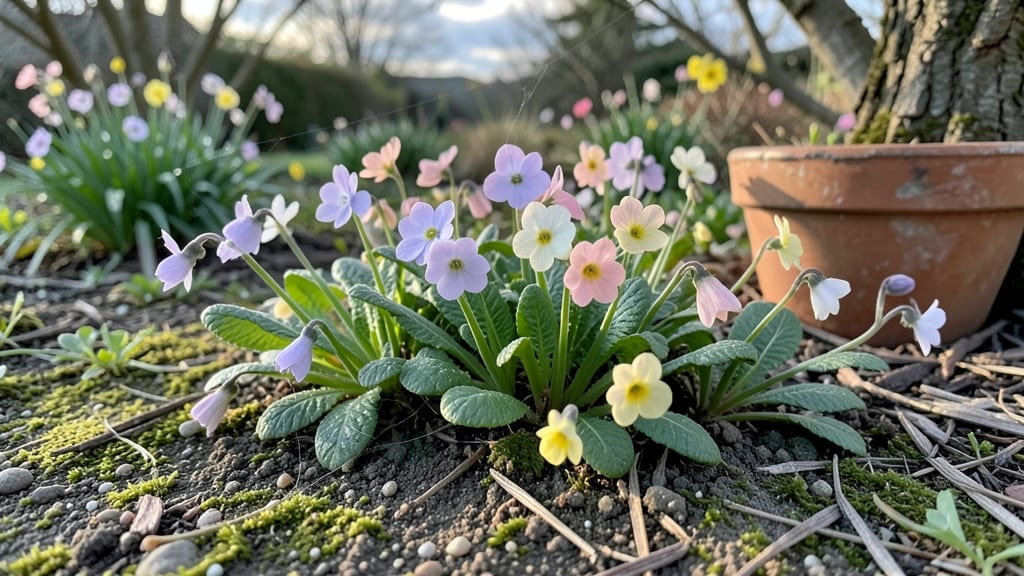
April brings vibrant color to cool-climate gardens after months of winter dormancy. These 10 hardy flowers defy early spring chill, offering pollinators their first feast and gardeners their first rewards.
Daffodils for Early Spring Sunshine
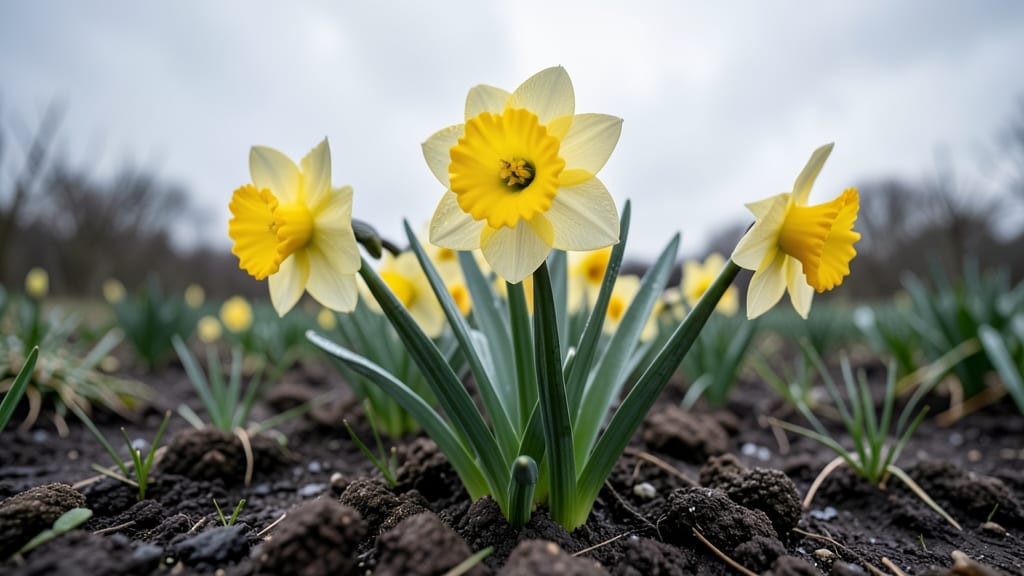
When April's chill still lingers in the air, daffodils burst through the soil like cheerful messengers of spring. These iconic bloomers thrive in cold soils (even tolerating light frosts) and symbolize renewal—making them the perfect choice for gardeners eager to welcome warmer days.
Plant daffodil bulbs in fall for a reliable April show, choosing sunny spots with well-draining soil. For indoor forcing, chill bulbs in the fridge for 12-16 weeks before potting—you'll have vase-ready blooms by Valentine's Day! Their naturalizing habit also makes them ideal for lawns, where they multiply year after year while resisting deer and squirrels.
Whether you're brightening a windowsill or transforming a garden corner, daffodils deliver effortless beauty that even beginners can't help but love. 🌱
Bleeding Heart Plants with Delicate Arches
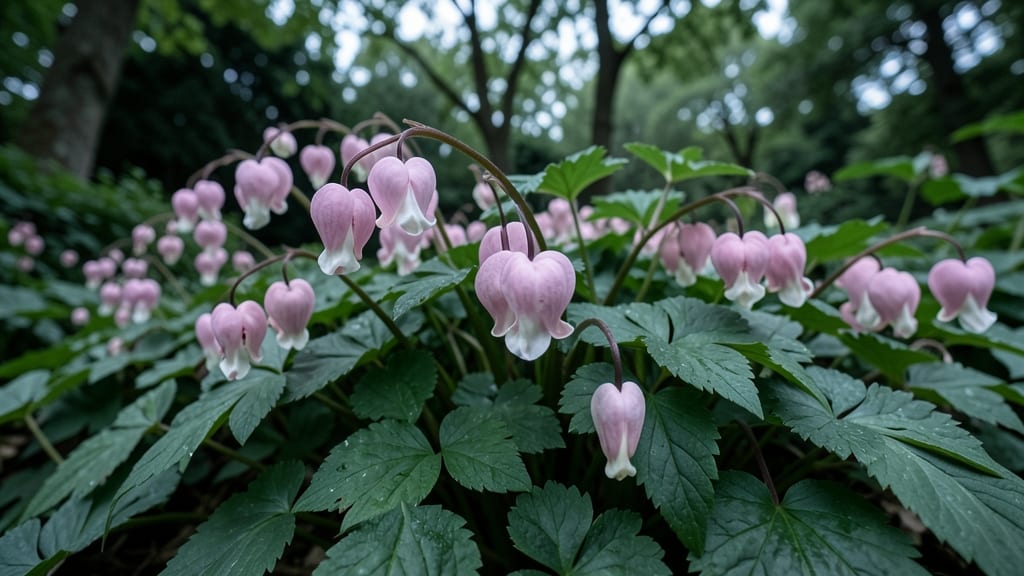
If your garden gets little direct sunlight, bleeding heart plants (Dicentra spectabilis) are your April secret weapon—delivering romantic, heart-shaped blooms when most perennials are still sleeping. These shade-loving stars thrive in partial to full shade, making them perfect for woodland gardens, north-facing borders, or even under trees where other plants struggle.
Plant them in moist, well-draining soil enriched with organic matter, and watch their arching stems (up to 3 feet tall) spill over garden edges. The flowers—available in pink, white, or burgundy—bloom prolifically in April and May, while their fern-like foliage adds texture year-round. Bonus: Their nectar-rich blooms attract hummingbirds and early bees, giving pollinators a critical early-season food source.
Ideal for gardeners with shady spots, bleeding hearts are low-maintenance once established. Just divide clumps every 3-4 years to keep them vigorous. For a whimsical touch, pair them with hostas or ferns. 🌿
Crocus Flowers Pushing Through Snow
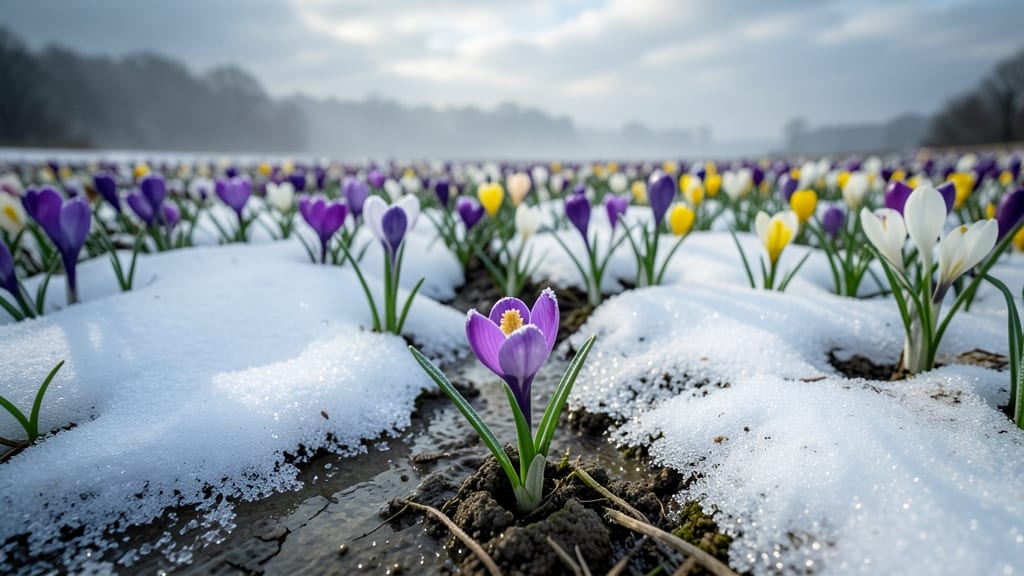
There’s nothing more magical than watching crocus flowers defy winter’s last stand, popping up through melting snow or even fresh snowfall. These tiny but mighty bloomers are nature’s way of announcing spring’s arrival with vibrant purple, white, and yellow cups—often before daffodils or tulips even think about waking up.
Plant them in well-draining soil with full sun to partial shade, and they’ll naturalize effortlessly in meadows, woodland edges, or even between stepping stones. For container forcing, plant bulbs in pots by October—by March, you’ll have cheerful blooms indoors. Bees adore them, making crocuses a pollinator powerhouse when other flowers are still dormant.
Perfect for beginners or busy gardeners, crocuses require almost no maintenance—just let them go to seed to spread naturally. Their early blooms also make them ideal for cutting arrangements or brightening up patios before summer’s heat arrives. 🌱
Hyacinths with Intoxicating Fragrance
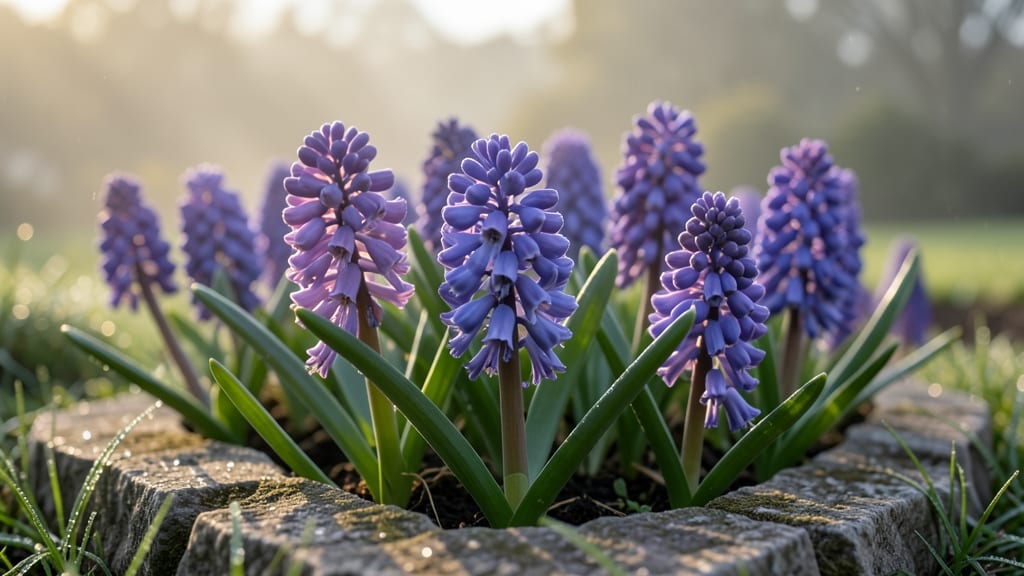
Want to fill your garden with a scented cloud that wafts through spring mornings? Hyacinths deliver an intoxicating fragrance that transforms any space into a fragrant paradise—perfect for cool-climate gardeners craving drama and aroma.
These bulb flowers thrive in USDA Zones 3-8 and bloom reliably in April, producing dense clusters of bell-shaped blooms in vibrant purples, pinks, whites, and blues. Plant bulbs in well-draining soil with full sun to partial shade—they’ll reward you with 2-3 weeks of intense fragrance that’s irresistible to pollinators (and humans!).
Urban gardeners and small-space lovers rejoice: hyacinths excel in containers, making them ideal for patios, balconies, or even kitchen windowsills. Their striking height and bold colors also make them star players in cutting gardens. 🌷
Pansies for Cool-Weather Resilience
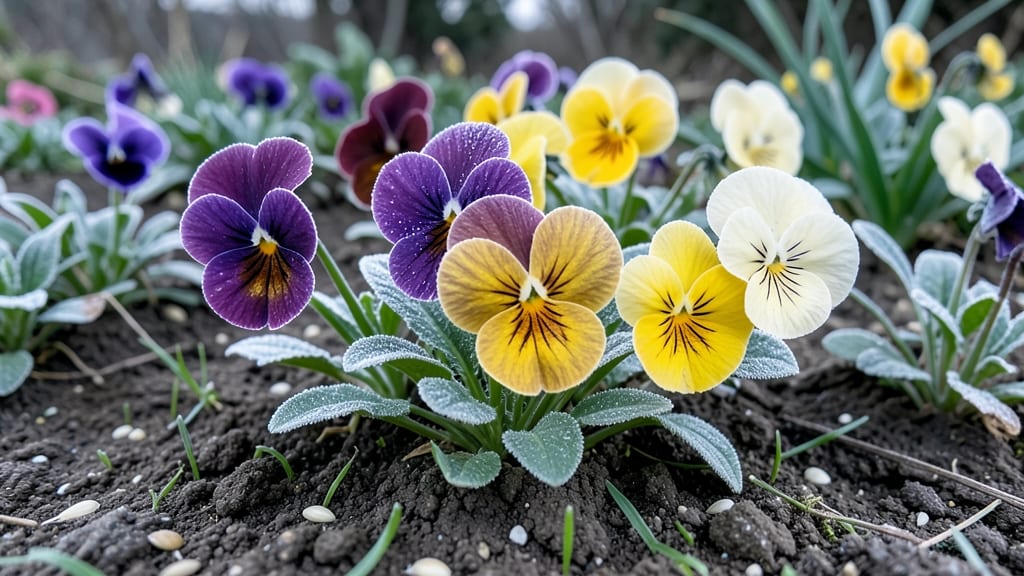
When April’s chill lingers and other flowers hesitate, pansies step up with their cheerful faces and frost-resistant blooms. These edible flowers thrive in temperatures as low as 25°F, making them the unsung heroes of early spring containers and borders.
Sow seeds directly after the last frost or transplant young plants in fall or early spring for continuous color. Choose varieties like 'Cool Wave' or 'Sorbet' for vibrant hues that attract pollinators while adding a pop of color to salads. Deadhead spent blooms to encourage more flowers and protect them from heavy rain with a lightweight row cover.
Perfect for urban gardeners with limited space or beginners craving low-maintenance blooms, pansies deliver year-round joy—even when winter flirts with spring. 🌷
Magnolia Trees with Large Showy Blooms
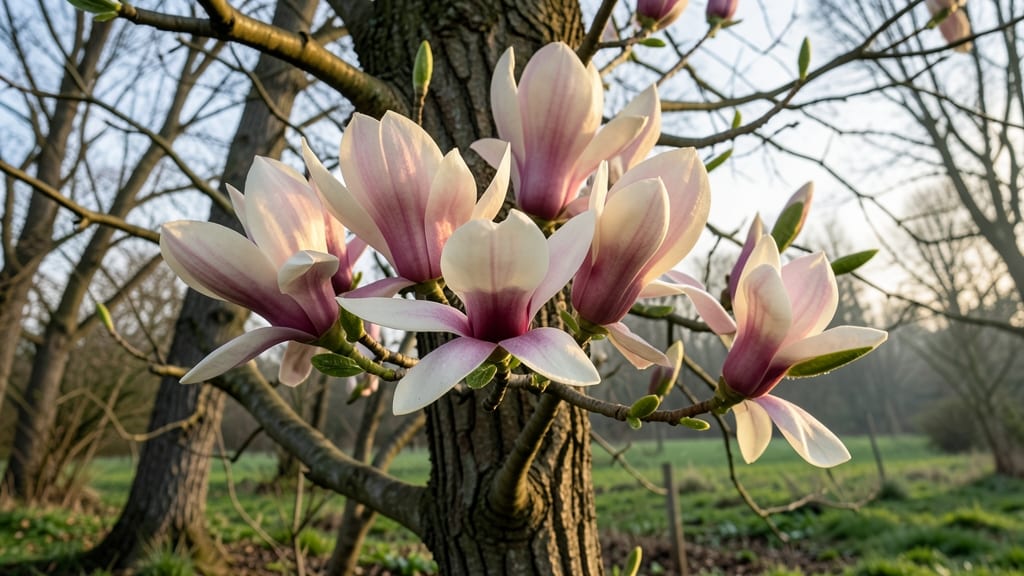
If you want a dramatic early spring statement without sacrificing space, magnolia trees deliver—especially their dwarf varieties. These large-flowered beauties burst into bloom in April, often before leaves fully emerge, creating a breathtaking focal point that anchors any garden design, big or small.
Choose from dwarf cultivars like 'Little Gem' (20-25 ft tall) or 'Black Tulip' (15-20 ft), perfect for urban gardens or as specimen plants. They thrive in partial shade to full sun and tolerate a wide range of soils, though they prefer slightly acidic conditions. The fragrant blooms (in shades of pink, purple, or white) provide critical nectar for bees and butterflies emerging from winter dormancy, making them a pollinator powerhouse.
These trees are ideal for gardeners who want year-round structure—their glossy evergreen foliage (in some varieties) adds texture even after blooms fade. Best of all, they require minimal pruning, making them low-maintenance stars for both beginners and seasoned gardeners alike. 🌻
Sweet Alyssum for Honeybee Attraction
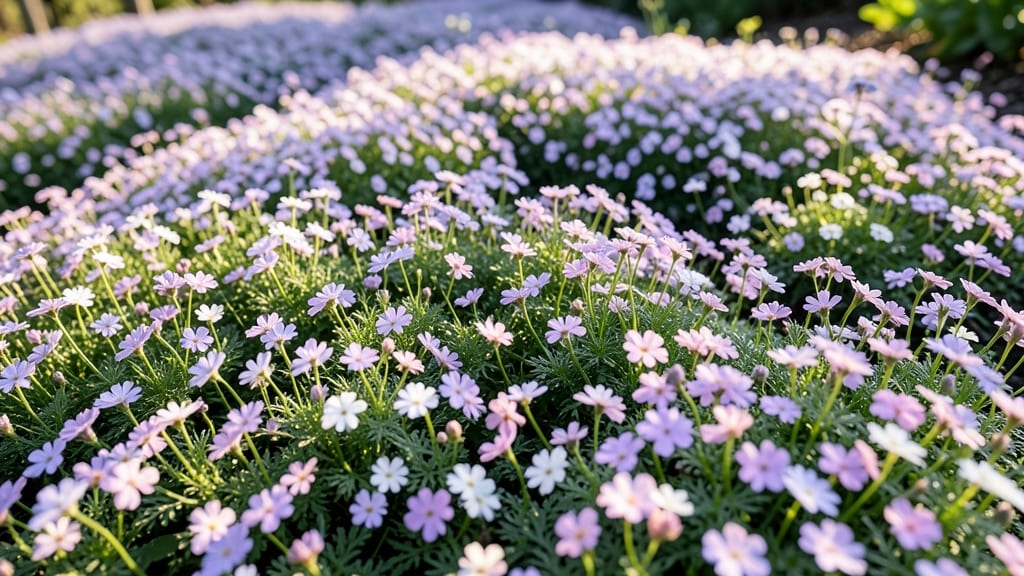
If you’ve ever wished for a pollinator magnet that fills empty spaces in your garden without demanding attention, sweet alyssum is your answer. This tiny, fragrant annual creates a lush, carpet-like ground cover that blooms from early spring through frost, making it ideal for tucking between spring bulbs like daffodils or emerging perennials.
Sweet alyssum thrives in full sun to partial shade and tolerates poor soil, so it’s perfect for urban gardens or rocky beds. Its clover-like clusters in white, purple, or pink attract honeybees, hoverflies, and beneficial wasps—giving your garden an early boost of biodiversity. For best results, sow seeds directly after the last frost or plant young seedlings in well-draining soil, spacing them 6–12 inches apart.
This low-maintenance charmer is especially useful for beginner gardeners or those with limited space, as it self-seeds modestly and suppresses weeds. Plus, its sweet fragrance adds a delightful bonus when brushed against. 🌿
Lungwort with Unique Spotted Leaves
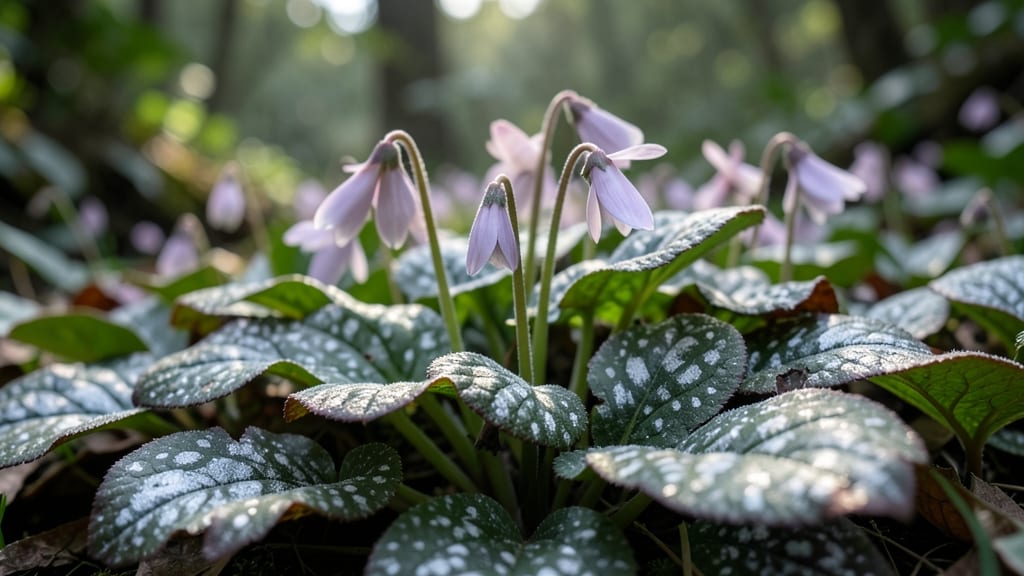
Transform your shady garden corners with lungwort (Pulmonaria), a medicinal perennial that blooms in April and steals the show with its silver-spotted leaves that stay stunning long after the flowers fade. Unlike many spring ephemerals, lungwort delivers year-round interest—its foliage turns chartreuse in summer, then deep green in fall, while delicate blue or pink blooms appear in early spring.
This woodland native thrives in dappled shade to full shade, making it perfect for under trees or along north-facing foundations. Plant in moist, well-draining soil and space them 12-18 inches apart for a lush, textured ground cover. Lungwort also has a herbal history—its common name comes from its traditional use for lung ailments, though modern gardeners grow it primarily for its ornamental value and pollinator appeal. The blooms attract early bees and butterflies, giving your garden a head start on supporting wildlife.
Ideal for beginner gardeners and low-maintenance landscapes, lungwort is the unsung hero of shade gardens—offering both seasonal color and medicinal intrigue without demanding attention. 🌿
Allium Globemaster for Dramatic Height
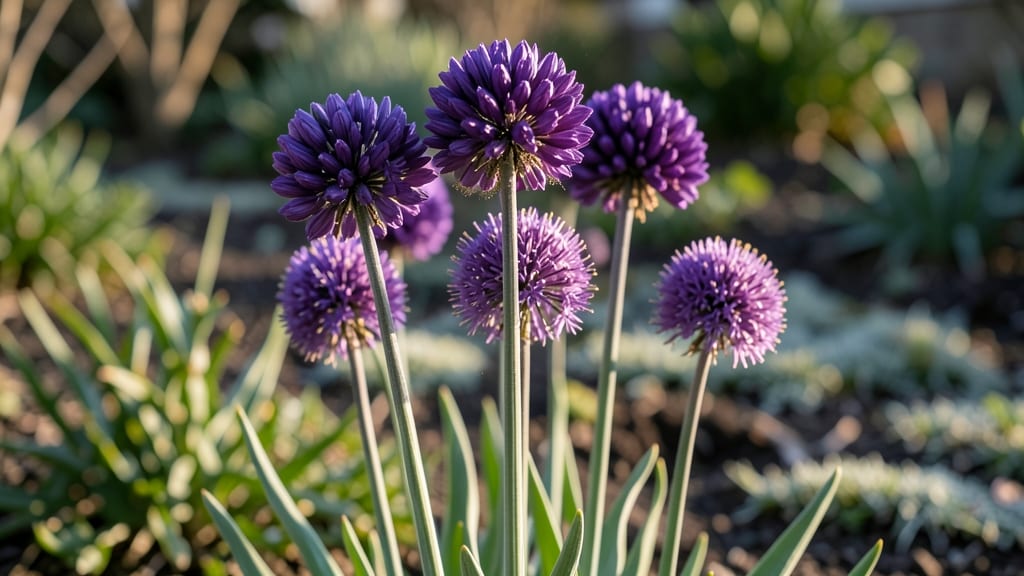
When your garden needs a vertical punch of drama in April, Allium Globemaster delivers with its striking globe-shaped purple blooms that rise like purple balloons on 3-foot stems. This ornamental onion is a pollinator magnet, attracting bees, butterflies, and even hummingbirds to your early spring garden when few other flowers are in bloom.
Plant bulbs in fall for April blooms, choosing sunny spots with well-draining soil. The drought-tolerant stems remain upright even after blooms fade, making them perfect for cutting arrangements that last weeks in vases. For maximum impact, pair them with shorter spring bulbs like daffodils or tulips to create height contrast. Deadhead spent blooms to encourage a second flush of flowers later in the season.
This is the ideal choice for gardeners who want low-maintenance height without the fuss of tall perennials or the space requirements of shrubs. Perfect for cottage gardens, cutting gardens, or even container displays, Allium Globemaster adds architectural interest that keeps your spring garden thriving. 🌟
Primrose Flowers in Soft Pastels

Craving a touch of old-world charm in your April garden? Primroses bring soft pastel hues and whimsical blooms that transform any space into a cottage garden escape. These delicate flowers thrive in moist, well-draining soil—perfect for shady borders, woodland edges, or even container gardens where other plants might struggle.
Available in yellow, pink, and white varieties, primroses bloom prolifically from late winter through spring, offering nectar to early bees when few other flowers are available. For best results, plant them in partial shade to full shade and keep soil consistently moist (but not soggy). Deadhead spent blooms to encourage more flowers, and watch them self-seed naturally over time.
Ideal for gardeners who love low-maintenance perennials with old-fashioned appeal, primroses pair beautifully with ferns, hostas, or other shade-tolerant plants. Their cheerful blooms also make perfect cut flowers for indoor arrangements. 💚