
Light Requirements
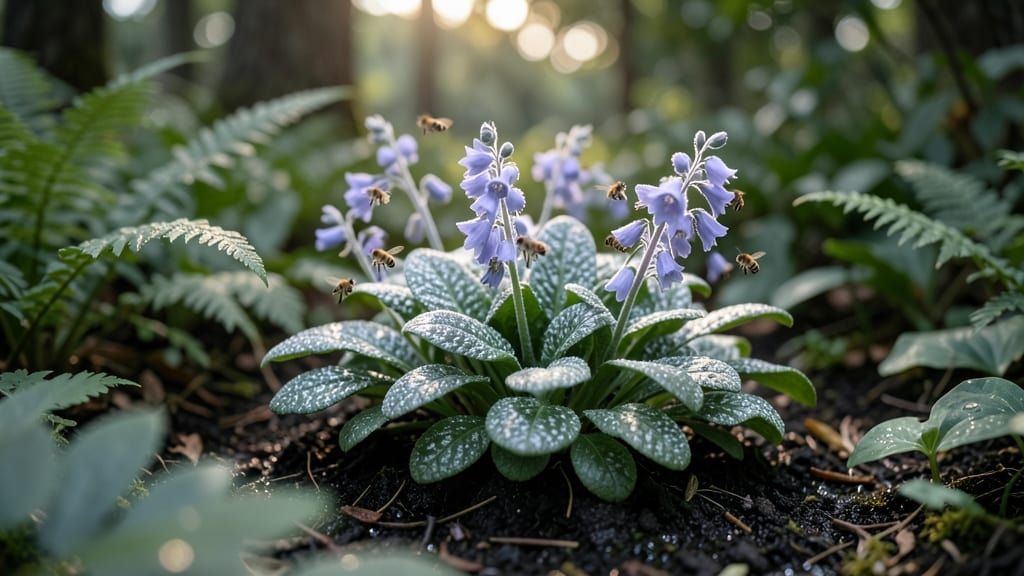
Struggling to keep flowers alive in shady garden spots? These 10 low-maintenance bloomers thrive in partial sun, offering vibrant colors and easy care for even the busiest gardener.
Hostas with Lavender Blooms
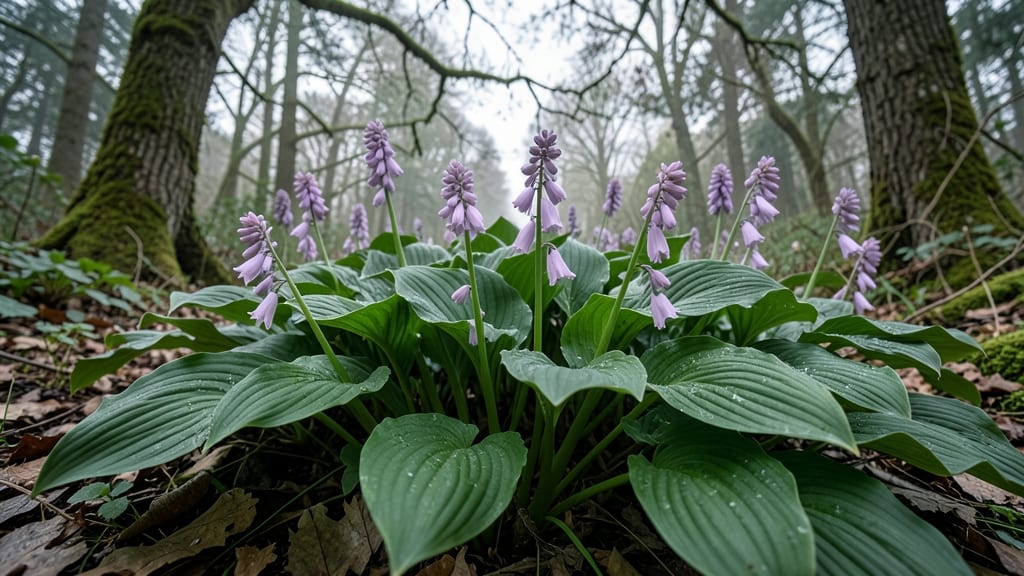
If you love the serene beauty of woodland gardens but struggle with keeping flowers alive in dry shade, hostas with lavender blooms are your perfect match. These hybrids combine the classic striking foliage of traditional hostas with delicate, fragrant purple flowers that emerge in late spring—adding unexpected height and color to shady spots.
Unlike their non-blooming cousins, these varieties thrive in 3-6 hours of partial sun and tolerate deer browsing, making them ideal for rural or suburban gardens. Plant them in well-draining, rich soil and water moderately—once established, they’re remarkably drought-tolerant. For best results, group them with ferns or astilbes to create a lush, layered woodland effect.
Perfect for gardeners who want year-round interest with minimal fuss, these hostas bring both foliage and flowers to shady corners. 🌿
Bleeding Heart Flowers
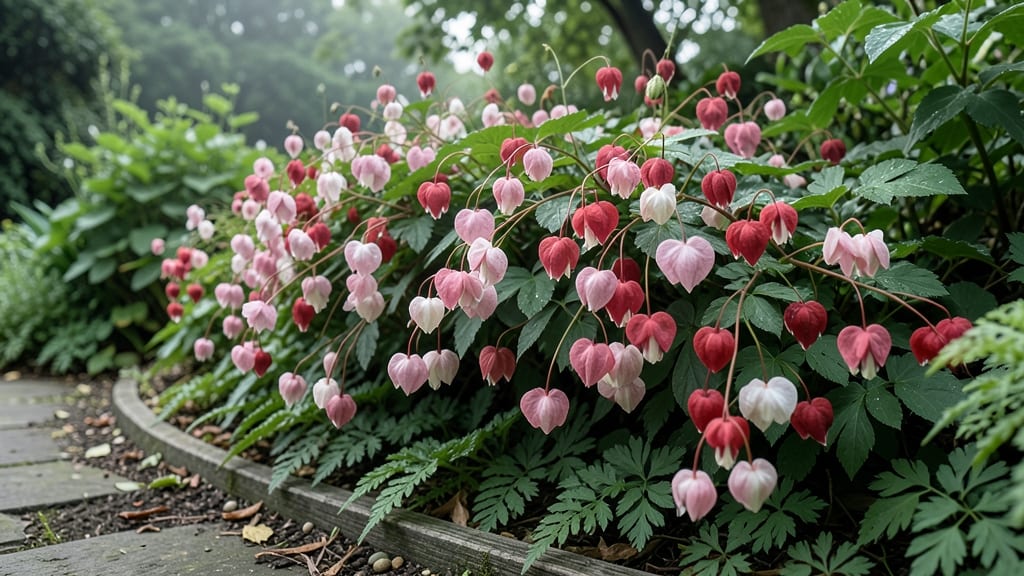
Looking for a romantic and low-maintenance way to brighten up shady garden corners? Bleeding heart flowers (Dicentra spectabilis) are the perfect choice, with their delicate, heart-shaped blooms that cascade like a waterfall of pink, white, or red.
These classic shade perennials thrive in partial to full shade and prefer moist, well-draining soil. Plant them in spring or early fall for best results, spacing them about 18-24 inches apart to allow their lush foliage to spread. While they prefer consistent moisture, they’re surprisingly drought-tolerant once established. Deadhead spent blooms to encourage a second flush of flowers in late summer.
Perfect for cottage gardens, hanging baskets, or woodland borders, bleeding hearts add a touch of whimsy and elegance. Their vertical growth habit makes them ideal for softening fences or adding height to shady corners. 🌷
Japanese Painted Fern
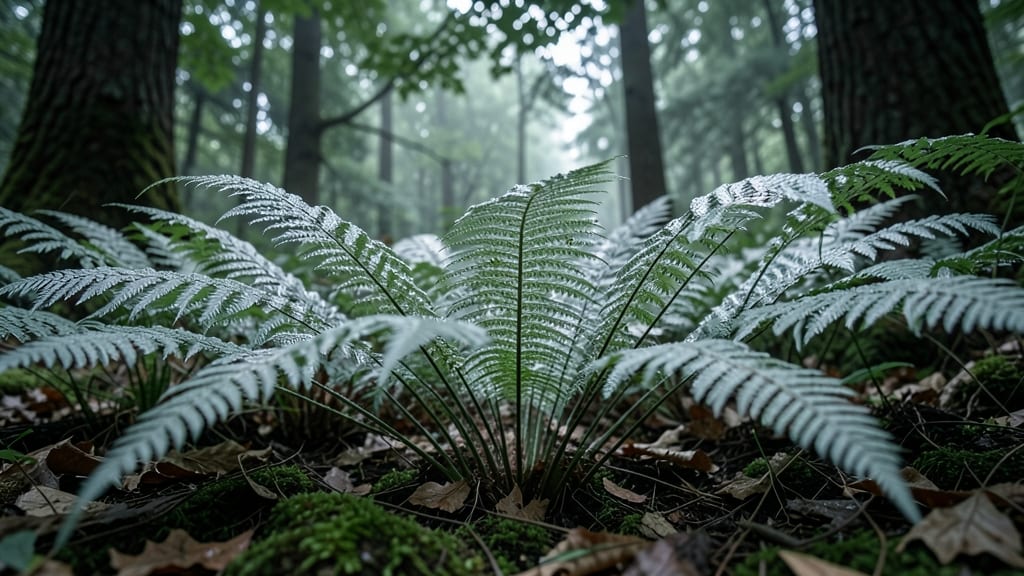
Tired of shady spots that feel like gardening dead zones? The Japanese painted fern proves deep shade can still be stunning—without relying on flowers. This foliage superstar thrives where most plants struggle, offering silvery-green fronds that shimmer year-round.
Plant it where others fail: under trees, along north-facing walls, or near foundation plantings where 6+ hours of shade would normally leave you with bare soil. Its delicate, lace-like texture contrasts beautifully with bold-leaved neighbors like hostas or heucheras. Water weekly until established, then let its deep roots handle drought—this fern’s secret weapon is its ability to store moisture efficiently.
Perfect for gardeners who want low-maintenance elegance without the fuss of seasonal blooms. Urban gardeners with limited sun and foundation plantings will love how it softens hard lines while requiring almost no attention. 🌿
Astilbe with Feather Plumes
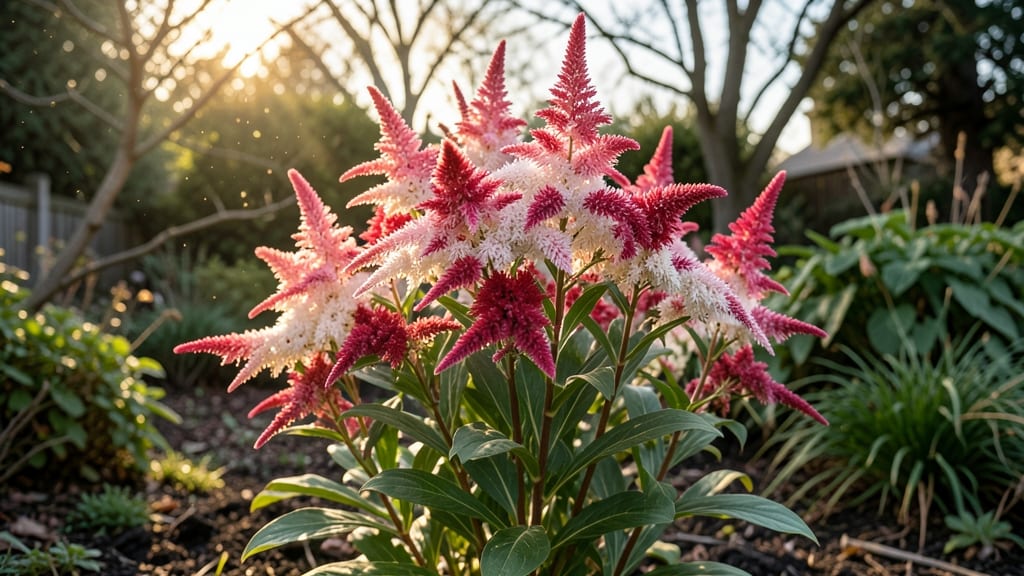
Tired of struggling to keep shade-loving flowers vibrant? Astilbe delivers bold, feathery plumes in pink, red, and white that thrive where others fail—even in partial sun. Unlike fussy perennials, these drought-tolerant beauties once established need minimal watering while still attracting hummingbirds to your garden.
Plant astilbe in well-draining soil enriched with compost, and give it morning sun with afternoon shade for best results. The 3-4 foot tall blooms create vertical drama in borders or containers, and their late-spring to summer flowering extends your seasonal interest. Cut back foliage in fall to keep the bed tidy.
Perfect for urban gardeners with limited water access or anyone craving low-maintenance shade plants that pack a visual punch. 🌟
Hellebores with Winter Blooms
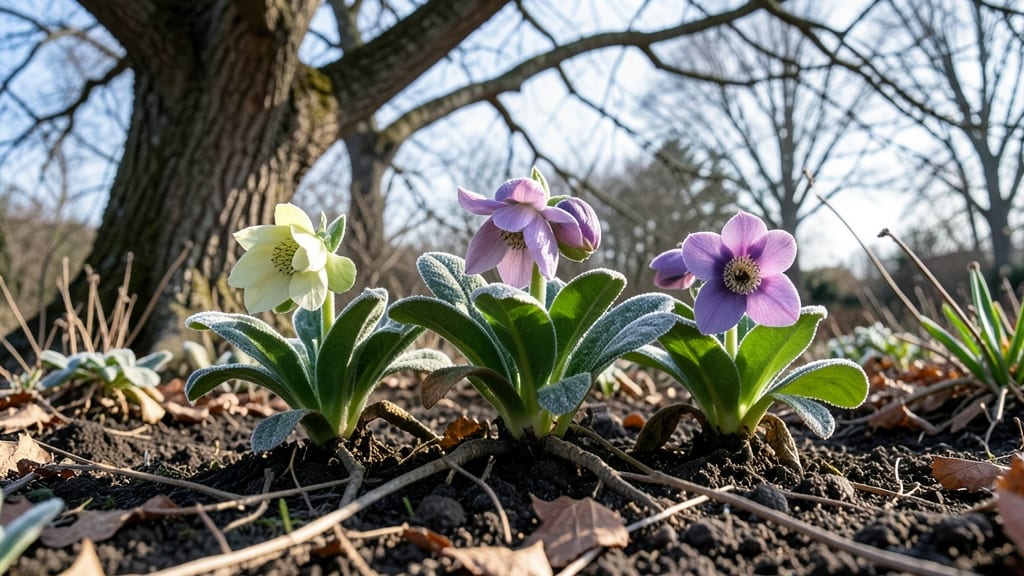
When your garden looks bare in winter, helleborus—commonly called Lenten roses—deliver a stunning surprise. These winter-hardy perennials bloom from late winter through spring, often while snow still lingers, and thrive in partial sun under trees where other plants struggle.
Plant hellebores in well-draining soil with morning sun and afternoon shade, and they’ll reward you with nodding, cup-shaped flowers in shades of white, pink, purple, or green. Their leathery, evergreen leaves provide year-round structure, making them ideal for understory planting beneath deciduous trees. Deadhead spent blooms to encourage more flowers, and avoid overwatering—they prefer moist but not soggy conditions.
Perfect for gardeners who want early color without fuss, hellebores are also deer-resistant and long-lived, often thriving for decades with minimal care. Add them to shady borders, woodland gardens, or even containers for a touch of elegance that lasts well beyond spring. 🌷
Coral Bells with Variegated Leaves
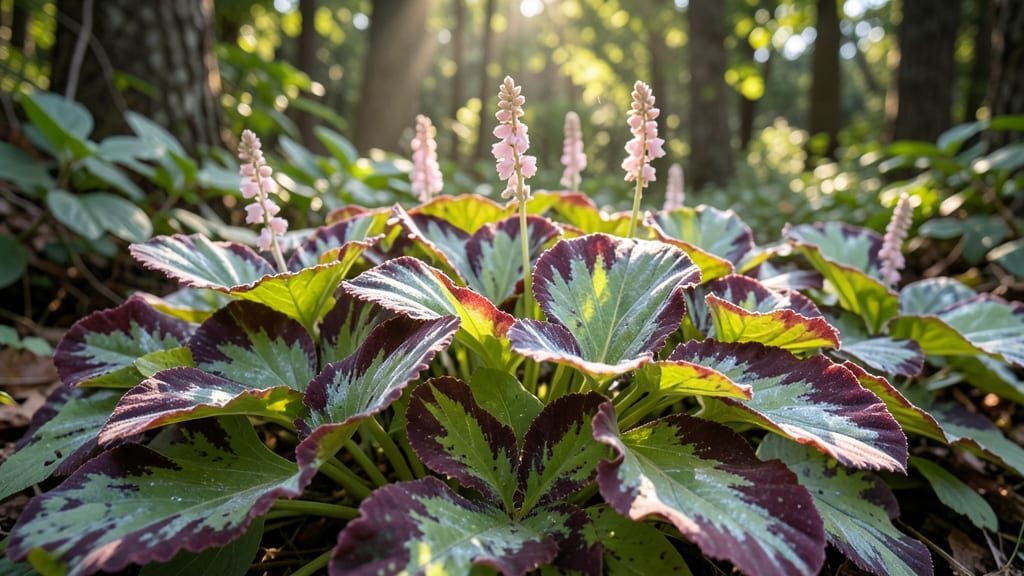
Tired of dull, green-only shade gardens? Coral bells (Heuchera) with variegated leaves bring bold color and texture to your darkest corners while thriving in partial sun. These perennials offer a perfect mix of striking foliage in shades of burgundy, lime, or silver—plus delicate flower spikes that add height and charm.
Plant them in well-draining soil and provide morning sun with afternoon shade for optimal growth. They’re incredibly versatile—use them as a ground cover in borders, spill them over container edges, or tuck them into rock gardens. Varieties like 'Palace Purple' or 'Lime Rickey' provide year-round interest, with flowers appearing in late spring to summer. 💚
Foxglove with Tall Spikes
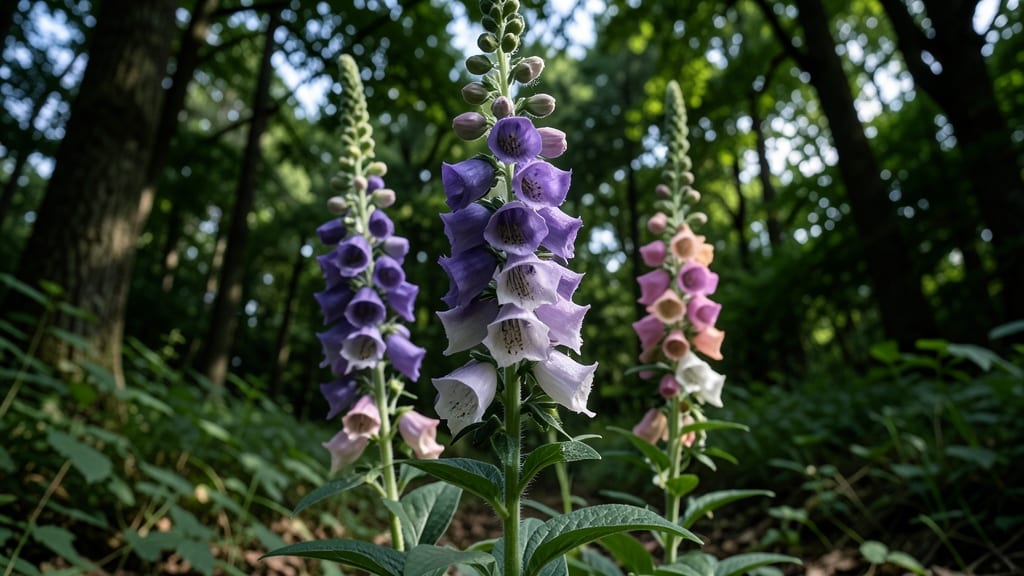
Looking to add dramatic height and pollinator appeal to your shady garden without fuss? Foxglove (Digitalis) delivers towering 3-5 foot spikes of bell-shaped blooms in purples, whites, and pinks—plus it thrives where other flowers falter.
This biennial (meaning it blooms the second year after planting) loves partial sun to full shade and moist, well-draining soil. Plant seeds or young plants in clusters of 3-5 for maximum impact—each plant will produce 50+ flowers, creating a cottage-garden focal point. Deadhead spent blooms to encourage more flowers, but leave some seed pods for next year’s volunteers. Bees and hummingbirds adore its nectar-rich blooms, making it a pollinator powerhouse.
Perfect for beginners or busy gardeners, foxglove’s low-maintenance nature and striking vertical form make it a standout choice for shady borders, woodland edges, or even containers. Just be cautious—its leaves are toxic if ingested, so wear gloves when handling. 🌻
Sweet Woodruff with Star-Shaped Flowers
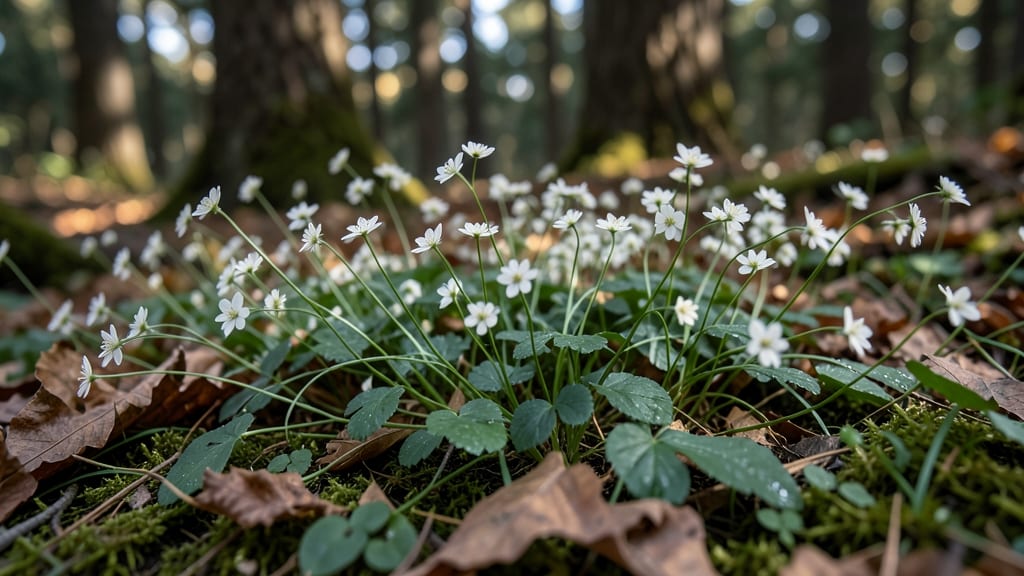
Looking for a fragrant ground cover that effortlessly transforms dull shady corners into a lush, fragrant carpet? Sweet woodruff (Galium odoratum) is your secret weapon—its delicate star-shaped white flowers and sweet, vanilla-like scent make it a woodland garden staple.
This hardy perennial thrives in partial sun to full shade and spreads quickly via underground runners, creating a dense, weed-blocking mat. Plant it in moist, well-draining soil under trees or along borders, where its late spring blooms (May-June) will attract early pollinators. A bonus? The leaves release their signature fragrance when dried—perfect for potpourri or stuffing pillows.
Ideal for gardeners who want low-maintenance beauty with minimal effort, sweet woodruff pairs beautifully with hostas or ferns. 🌱
Toad Lilies with Unique Blooms
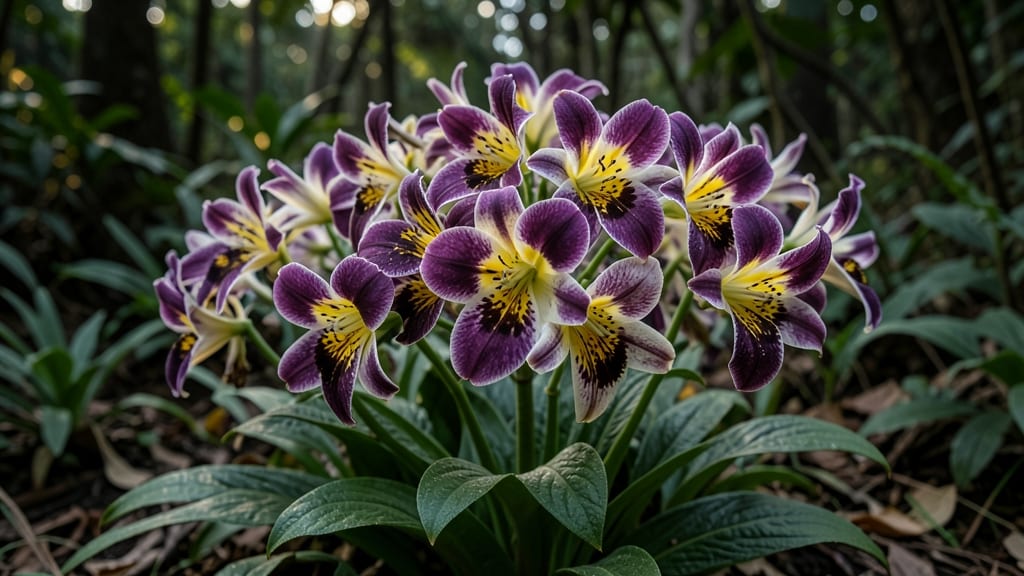
Want to add a touch of exotic drama to your shade garden without the fuss? Toad lilies (Tricyrtis spp.) bring bold, spotted blooms in deep purples, yellows, and whites that look like they belong in a tropical jungle rather than your backyard. These perennials thrive where most flowers give up, flourishing in partial to full shade with just 3-6 hours of dappled sunlight.
What sets them apart is their long bloom season—from late summer through fall—and their deer-resistant nature, making them ideal for rural or suburban gardens. Plant them in well-draining, humus-rich soil and keep the roots consistently moist (but not soggy) for the first year. Their strap-like leaves create striking contrast with the vibrant flowers, and they multiply over time, filling in empty spaces effortlessly.
Perfect for gardeners who love unusual, conversation-starting plants with minimal upkeep, toad lilies shine in perennial borders, woodland gardens, or under trees. Pair them with hostas or ferns for a lush, layered look that stays stunning all season. ✨
Lungwort with Silver Spotted Leaves

Want a shade-loving plant that’s equal parts beauty and history? Lungwort (Pulmonaria) brings silver-spotted foliage and blue bee-attracting blooms to moisture-retentive spots where others fail. This heirloom perennial thrives in partial to full shade, making it perfect for understory plantings or woodland gardens.
Its medicinal heritage dates back centuries—historically used for respiratory health—and its unique foliage (silver spots that turn green) adds visual interest year-round. Plant in well-draining, humus-rich soil and water regularly to keep the roots happy; once established, it’s surprisingly drought-tolerant. The early spring blooms (March-April) provide nectar for bees when few other flowers are available.
Ideal for herb gardens, cottage-style borders, or pollinator-friendly plantings, lungwort is a must-have for gardeners who love low-maintenance perennials with both practical and decorative value. 💚