
Blooming
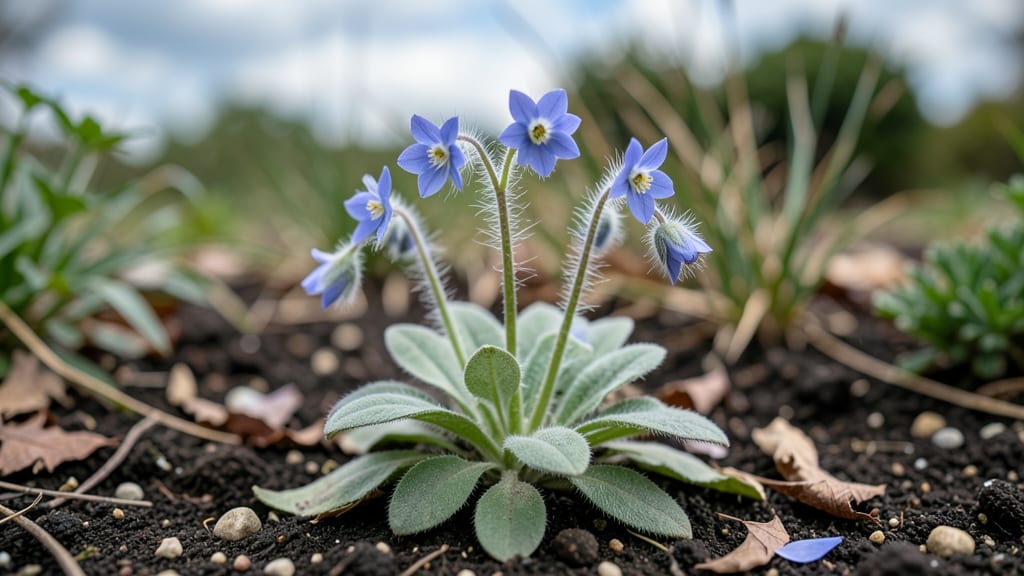
Forget-me-nots burst into bloom in a spectacular time like tiny purple fireworks in spring. 🌸 These delicate perennials thrive in cool weather, typically flowering from late April through June in most regions, though early summer blooms aren't uncommon in milder climates.
The key to their long-lasting display lies in understanding their natural cycle—and a little deadheading know-how.
Most forget-me-nots are hardy perennials, meaning they return year after year with proper care. That means each spring, you'll get fresh waves of those signature blue-purple spikes if you protect them from winter's chill and give them consistent moisture.
The earlier you plant them in fall, the sooner they'll establish roots and bloom the following spring.
With just a little attention, you can stretch their bloom time for weeks. Snip spent flowers regularly, and you'll encourage new buds to form—keeping those cheerful spikes coming until summer heat sets in.
The secret is simple: remove faded blooms before they set seed, and your plants will reward you with vibrant, continuous color.
Perfect for cottage gardens, window boxes, or even container arrangements, forget-me-nots are low-maintenance once you know the tricks. Here's how to make their blooms last longer than a single season.
📚 In This Guide
- What you need
- Instructions
- Tips and common mistakes
- Wrapping up and next steps
What you need
- ● Forget Me Not Seeds or Plants: Seeds: 50-100 per packet (choose Myosotis sylvatica for classic purple blooms).
- ● OR Nursery-grown plants: 3-5 per desired planting area (6-12" spacing).
- ● Well-Draining Soil: 1-2 bags of potting mix (if starting indoors) or amended garden soil (add compost for nutrients).
- ● Containers or Garden Bed: For seeds: 2-4" deep pots with drainage holes (or seed trays).
- ● For plants: 6-12" diameter containers or a prepared garden bed (partial shade, moist but not soggy).
- ● Fertilizer: Balanced 10-10-10 granular or liquid fertilizer (diluted to half-strength).
- ● Watering Can or Hose: With a gentle spray nozzle for seedlings.
- ● Hand Trowel or Transplant Spade (for digging small holes).
- ● Pruning Shears (sharp, for deadheading and shaping).
- ○ Gloves (optional, to protect hands from soil).
- ○ Mulch (Optional): Straw or shredded bark to retain moisture (1-2 inches).
- ● Sunlight Check: Confirm your space gets partial shade (2-4 hours of morning sun)—Forget Me Nots hate harsh afternoon rays!
How to extend forget-me-not bloom time through deadheading
Here's how I coax those delicate purple spikes to bloom nonstop all season—no fancy tricks, just smart timing and technique.
🌿 Step 1: Identify the Perfect Blooming Window
Forget-me-nots thrive in cool spring and fall temperatures (50-70°F)—their natural bloom period. Watch for the first cluster of blue-purple flowers to open fully, signaling the start of your deadheading cycle. I always mark this day on my garden calendar because timing is everything.
If you're growing from seed, expect first blooms 60-70 days after planting in ideal conditions. The key is patience—rushing deadheading too early will cut off potential flowers before they even form. Wait until you see at least 3-5 open blooms per stem before touching them.
✂️ Step 2: Master the Deadheading Technique
Use clean, sharp pruners or your fingers to pinch off spent flowers at the base of the bloom cluster, just above the first set of healthy leaves below. This encourages the plant to redirect energy into new side shoots rather than seed production. I always make a slight angle cut to prevent water from pooling on the stem.
Never cut into the main stem—this weakens the plant and reduces future blooms. Instead, focus on removing only the faded flower heads while leaving the green stem intact. You'll know you're doing it right when you see new buds forming within 7-10 days along the same stem.
☀️ Step 3: Adjust Care for Continuous Blooming
Maintain consistent moisture—neither soggy nor bone-dry soil. Forget-me-nots wilt dramatically when thirsty but also rot if overwatered. I check soil moisture by pressing my finger 1 inch deep; if dry, it's time to water. Fertilize lightly with a balanced 10-10-10 formula every 4-6 weeks to support steady blooming without excessive foliage growth.
Move containers to partial shade during peak afternoon sun (1-4 PM) in hot climates. Too much direct sun causes flowers to fade prematurely. You'll notice the difference immediately—plants in filtered light produce vibrant, longer-lasting blooms compared to those scorched by full sun.
🌱 Step 4: Extend the Season with Strategic Pruning
After the first flush of blooms, give your plants a light trim to remove any leggy stems or overcrowded foliage. This improves airflow and prevents fungal diseases that can stunt flower production. Cut back only the oldest stems by about one-third to encourage bushier, more compact growth.
In late summer, when blooms naturally slow, reduce watering slightly to signal dormancy. This prepares plants for a second flush of flowers in early fall when temperatures drop again. I've seen forget-me-nots rebloom beautifully with this simple adjustment—proof that timing matters more than frequency.
⏰ Step 5: Prepare for Winter and Next Season
Once frost threatens, cut back all stems to 2-3 inches above the soil line. This prevents winter rot while preserving the root system. Mulch with 2-3 inches of shredded leaves to insulate roots through cold months. In spring, remove old mulch and fertilize lightly to jumpstart new growth.
Here's the thing—if you skip this step, you'll miss the earliest spring blooms the following year. The plants need this rest period to rebuild energy. I promise, the first purple spikes of next spring will be worth the wait.
Tips & tricks for perfect season-long forget-me-not blooms
These pro insights will help you transform forget-me-nots from one-season wonders into year-round purple showstoppers.
Timing Secret: The 60-70 day window from seed to first bloom is non-negotiable for establishing your deadheading rhythm. Mark your calendar when those first 3-5 flowers open—this is your cue to begin. I've learned the hard way that cutting too early stunts future blooms by removing potential buds still forming in the stem. Think of it as giving your plants a "go" signal rather than a "cut" command.
Precision Pruning: When deadheading in Step 2, aim for that sweet spot just above the first healthy leaf cluster—this is where new growth emerges. I use my fingernails for small plants and clean pruners for larger ones, always making a slight angle cut. The angle prevents water from pooling on the stem, which can lead to rot. You'll know you've done it right when you see new buds forming within that magical 7-10 day window mentioned in the instructions.
Environmental Intelligence: The 50-70°F temperature range isn't just a preference—it's the plant's comfort zone. In hotter climates, move containers to partial shade during peak afternoon sun (1-4 PM). I've noticed forget-me-nots in full sun produce flowers that last only half as long as those in filtered light. The key is watching your plants—they'll tell you when they're stressed through wilting or leaf scorch.
Seasonal Strategy: That late summer water reduction trick in Step 4 is your secret weapon for fall reblooms. When you see blooms slowing, cut back water slightly to signal dormancy. This simple adjustment triggers a second flush of flowers when temperatures drop again. I've extended my forget-me-not season by nearly 6 weeks using this technique—proof that sometimes less water means more flowers.
Pro Tips for Forget Me Not Bloom Time
- These pro insights will help you transform forget-me-nots from one-season wonders into year-round purple showstoppers.
- Timing Secret: The 60-70 day window from seed to first bloom is non-negotiable for establishing your deadheading rhythm.
- Precision Pruning: When deadheading in Step 2, aim for that sweet spot just above the first healthy leaf cluster—this is where new growth emerges.
Frequently asked questions
Got questions about your Forget Me Not blooms? You’re not alone! Here are some of the most common queries gardeners ask—and the answers to keep your purple spikes thriving all season.
When is the best time to plant Forget Me Not seeds for peak blooms?
Forget Me Not thrives in cool weather, so plant seeds in early spring (4-6 weeks before last frost) or late summer (8-10 weeks before first frost). Avoid planting in scorching heat—they’ll bolt (produce flowers too quickly) and flop. For container gardening, start seeds indoors 6-8 weeks before transplanting outdoors.
How long does it take for Forget Me Not flowers to bloom after planting?
From seed, expect blooms in 8-12 weeks under ideal conditions (cool temps, partial shade, and consistent moisture). If you’re planting transplants, you’ll see flowers in 4-6 weeks. Patience pays off—these delicate blooms are worth the wait!
Why aren’t my Forget Me Not flowers opening? Troubleshooting tips!
If your spikes stay closed, check these fixes:
- Too hot/dry: Move to partial shade and water deeply at the base (avoid wetting leaves to prevent mildew).
- Overcrowding: Thin seedlings to 6-8 inches apart for better airflow and sunlight.
- Nutrient deficiency: Feed with a balanced fertilizer (10-10-10) when buds form.
- Old plants: Forget Me Nots are annuals; if they’re past their prime (after 6-8 weeks of blooming), it’s time to replace them.
Can I extend Forget Me Not bloom time beyond one season?
Nope—not as annuals! But you can preserve seeds for next year or grow them as perennials in mild climates (Zones 3-9) with winter mulch. For year-round color, interplant with long-blooming perennials like Sweet Alyssum or Pansies, which thrive in similar conditions.
How often should I deadhead Forget Me Not flowers for continuous blooms?
Deadhead faded blooms weekly to encourage new spikes. Use clean scissors or fingers to snip just above the first set of leaves (not the main stem). Skip deadheading if you’re saving seeds—let a few flowers mature to collect them for next season!
What’s the easiest way to collect Forget Me Not seeds for replanting?
Let 1-2 spent blooms stay on the plant until they turn brown and dry (usually 4-6 weeks after flowering). Gently rub the seed pods to release tiny, black seeds. Store them in a paper envelope in a cool, dry place until spring. Pro tip: Label your envelope with the year!
Wrapping up and next steps
The forget-me-not bloom time is a fleeting yet magical window of purple beauty—one you can extend with simple deadheading hacks! By trimming spent blooms and nurturing your plants, you’ll enjoy vibrant spikes of color well into the season. 🌸
Now that you’re armed with tips and tricks, take action—grab your shears and give your forget-me-nots the love they deserve. Watch them thrive, and share your progress with fellow gardening enthusiasts! Happy blooming! 🌿