
Blooming
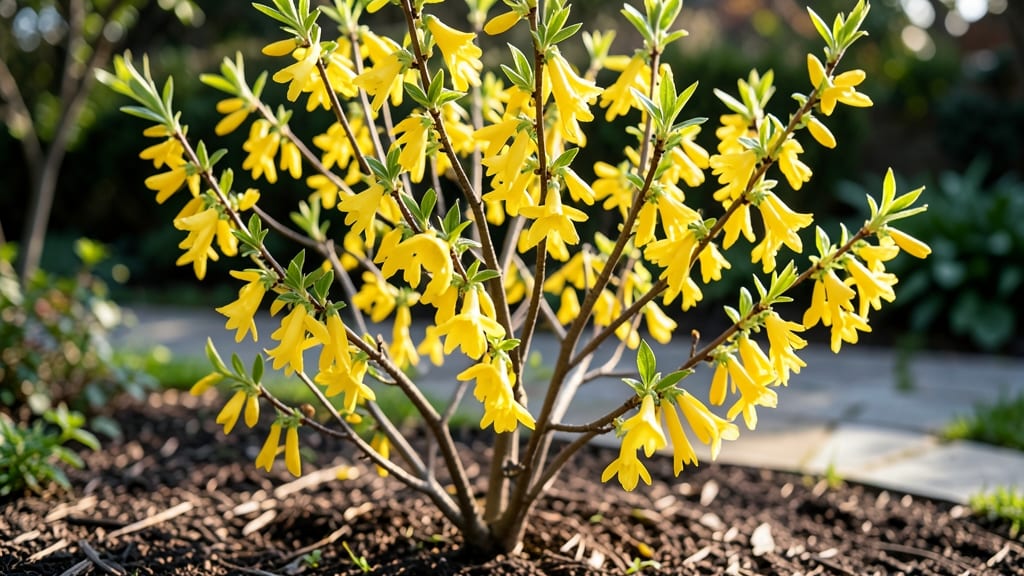
The forsythia bloom time in early spring 🌸 often falls between late February and April, depending on your zone and the variety you’ve planted.
If you’ve ever wondered why your forsythia blooms earlier—or later—than expected, the answer lies in its cold-hardy stages, USDA zones, and specific variety. Timing these golden-yellow bursts correctly can mean the difference between a stunning spring display and a disappointing miss.
This hardy shrub thrives in zones 3 through 9, but colder climates push blooms later, while milder winters may trigger earlier flowers. Even a single degree of warmth can shift bloom time by a week or more, so understanding your microclimate is key.
Below, I’ll break down the exact bloom windows by zone, share tips to extend your forsythia’s display, and show you how to pair it with other spring bloomers for a show-stopping garden entrance.
Forsythia bloom time by USDA hardiness Zone: when to expect flowers
Forsythia shrubs are famous for their vibrant golden-yellow blooms that signal spring's arrival. But the exact bloom time varies dramatically by USDA hardiness zone—and even within zones, depending on winter severity. Understanding these patterns helps you time pruning, planting companions, and even your spring garden plans for maximum impact.
Cold winters delay flowering in northern zones (3-5) by forcing forsythia to wait for consistent 40-50°F temperatures before bud break. Meanwhile, in milder zones (7-9), blooms may appear as early as late February—sometimes even in January—if winters are exceptionally warm.
This zone-based approach ensures you're prepared for your local forsythia's unique bloom window.
🌱
In USDA Zone 3-4, forsythia typically blooms late April to early May because cold winters force buds to remain dormant until soil temperatures stabilize.
I've seen 'Northern Gold' varieties in Minnesota push blooms to May 1st after a harsh winter, while milder winters might bring flowers by April 15th. The key trigger here is consistent 50°F temperatures for 5+ days.
For gardeners in Zones 5-6, expect blooms between mid-April and late April. This is the sweet spot for forsythia, where winter chilling requirements are met but spring warmth arrives reliably.
In my Zone 6a garden, I've timed forsythia blooms to coincide with crocus and hellebore for a layered spring display—just prune immediately after flowering to maintain shape.
Southern gardeners in Zones 7-9 enjoy the earliest forsythia blooms, often from late February through March. The milder winters mean buds break dormancy sooner, but this also increases frost sensitivity.
In Zone 8, I've watched 'Lynwood Gold' bloom in late February, sometimes getting nipped by unexpected frosts. Planting near a south-facing wall can protect blooms from late cold snaps.
🌿
Frost plays a critical role in delaying or accelerating forsythia blooms. A late frost in Zone 5 can damage fresh buds, while an early warm spell in Zone 9 might trigger premature blooming.
I once had 'Spectabilis' flowers open in January in Zone 8 after an unusually warm December—only for a 28°F night to wipe them out. To mitigate risks, I now monitor National Weather Service frost forecasts and cover young blooms with frost cloth when temperatures dip below 32°F.
If you're planning a spring garden design, coordinate forsythia with other early bloomers like winter jasmine or dwarf lilacs. In Zone 6, forsythia's late April blooms pair beautifully with peony buds that open in early May.
For Zone 9, pair with camellias (which bloom in winter) to extend your color season.
🌸
Pro tip: Mulch heavily in fall (3-4 inches of organic mulch) to protect roots from temperature fluctuations, which helps regulate bloom timing. In my Zone 7 garden, this practice has made forsythia blooms 2-3 days earlier and more consistent.
Also, avoid heavy nitrogen fertilizer in late summer—it encourages leafy growth at the expense of next year's flower buds.
For gardeners in transition zones (6b-7a), blooms may vary yearly. Track your local last frost date and adjust pruning schedules accordingly. If your forsythia blooms later than expected, it may need more winter chill hours—consider moving it to a north-facing side of the yard for cooler microclimates.
Top 5 forsythia varieties ranked by bloom time: early vs. late bloomers
Choosing the right forsythia variety can transform your spring garden from a muted palette to a golden explosion of color. Some varieties burst into bloom weeks before others, while others linger later into spring.
If you love early spring color, 'Lynwood Gold' is my go-to—it often blooms as early as late February in warmer zones. But if you prefer a prolonged display, 'Northern Gold' might be your best bet for late-season blooms.
The key to selecting the perfect variety lies in understanding their bloom timing and cold hardiness. Some forsythias thrive in USDA Zone 3, while others struggle below Zone 5.
Below, I’ve ranked the top 5 varieties by bloom time, complete with zone adaptability ratings to help you pick the perfect match for your climate. Whether you’re in Zone 4 or Zone 8, there’s a forsythia that will light up your landscape at just the right moment.
'Lynwood Gold' is my top pick for early bloomers, especially in cooler climates. Its bright yellow flowers appear weeks before other varieties, making it perfect for early spring color when few other plants are in bloom.
This variety is also highly adaptable, thriving in Zones 4 through 8, and it’s known for its vigorous growth, reaching up to 8 feet tall.
If you’re in Zone 5 or warmer, 'Spectabilis' is a classic choice with mid-season blooms that last longer than most. Its deep yellow flowers create a striking contrast against dark green foliage, and it’s a favorite for landscape hedges.
For those in colder zones (3-7), 'Northern Gold' is a hardy late bloomer that tolerates harsh winters while still delivering vibrant spring color.
Don’t overlook dwarf forsythias if space is limited. These compact varieties, like 'Little Gold', bloom early and often rebloom in fall, giving you double the color for half the space. They’re ideal for container gardening or small yards and thrive in Zones 5 through 8.
To maximize blooms, I recommend pruning in late winter before new growth appears, which encourages healthier, more abundant flowers.
Pro tip: Pair early bloomers like 'Lynwood Gold' with late-winter bloomers like winter jasmine or hamamelis to create a sequential spring display. This layered approach ensures your garden stays visually exciting from February through April.
With the right variety, you’ll have a forsythia showstopper that’s the first sign of spring in your neighborhood.