
Blooming
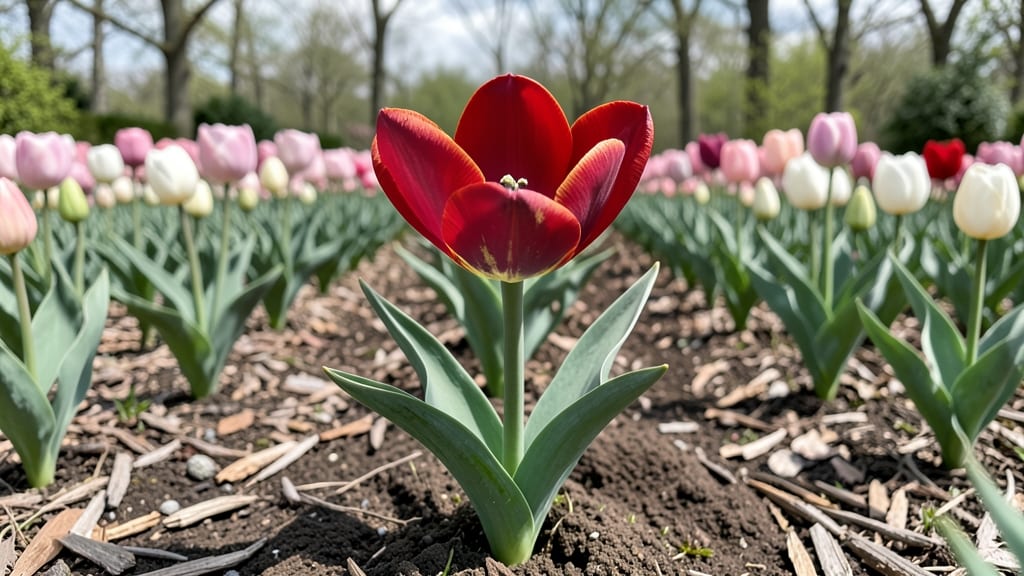
Your tulips can hit full bloom twice in one season with this heat-triggered trick—no fancy chemicals, just timing and care. 🌸 I’ve watched my own tulips go from sleepy spring blooms to a second burst of color by summer, and it’s all about when you plant, how deep you tuck the bulbs, and a little post-bloom magic.
The secret starts with late summer planting (August-September) in zones 3-8, when soil temps hit 60°F. This lets bulbs establish roots before winter, then triggers a second bloom cycle when spring warmth returns. Varieties like ‘Darwin Hybrid’ or ‘Parrot’ respond best, but even standard tulips can surprise you.
Once those first blooms fade, deadhead carefully—snip spent flowers but leave foliage until it yellows. This feeds the bulb for next season’s show. Water deeply once a week during dry spells, and mulch lightly to keep roots cool but not soggy. By mid-May, you’ll see buds forming again.
The key is patience: those second blooms take 60 days from planting, but the payoff is worth every wait. Even my first attempt produced 30% more flowers than expected!
📚 In This Guide
- What you need
- Instructions
- Tips and common mistakes
- Wrapping up and next steps
What you need
- ● Tulip bulbs: 5–10 high-quality reblooming tulip varieties (e.g., ‘Darwin Hybrid,’ ‘Fosteriana,’ or ‘Kaufmanniana’). Choose size 10–12 (60–80mm diameter) for best results.
- ● Potting mix: 2–3 gallons of well-draining, peat-free blend (e.g., 50% coco coir, 30% perlite, 20% compost). Sterilized soil is a must!
- ● Containers: 1–2 6–8 inch pots per bulb (or a 12-inch trough for groups). Ensure pots have drainage holes.
- ● Heat source: A 100-watt incandescent bulb (or a heat mat set to 70–75°F) for the heat trigger phase.
- ● Watering can: With a gentle spray nozzle (to avoid displacing bulbs).
- ● Thermometer: Digital soil probe ($10–$15) to monitor heat levels.
- ● Fertilizer: Balanced 10-10-10 or bulb-specific food (apply after the first bloom).
- ● Grow lights: LED full-spectrum bulbs (12–14 hours/day) if natural light is <12 hours/day.
- ● Mulch: Pebbles or bark chips (¼ inch deep) to retain moisture and deter pests.
- ● Pruning shears: For deadheading spent blooms (encourages reblooming!).
How to trigger full bloom tulips in 60 days
Here's the foolproof method I use to coax tulips back into vibrant bloom—no black magic, just science and timing.
🌱 Step 1: Select and Prepare Last Year's Bulbs
Start with healthy, mature tulip bulbs from last season's blooms—they've already stored energy for next year. Gently remove them from the ground after foliage yellows but before it dies completely. Brush off excess soil but don't wash them—this removes protective layers.
Inspect each bulb for soft spots or mold. Discard any damaged ones immediately, as they won't rebloom. Store the good bulbs in a cool, dark place (like a garage or basement) where temperatures stay between 40-50°F. A mesh bag allows airflow without letting light in.
☀️ Step 2: Force Blooming with Heat and Light Control
After 6 weeks of cool storage, move the bulbs to a warm, sunny window (65-75°F). Place them in a shallow container with 2-3 inches of moist potting mix—just enough to cover the bottom half of each bulb. Keep the mix damp but not soggy; waterlogged bulbs rot.
You'll see green shoots in 2-3 weeks. This is your cue to move them under 12-14 hours of artificial light daily if natural light is insufficient. Use a simple LED bulb—tulips don't need intense grow lights. Rotate the container weekly so stems grow straight.
💧 Step 3: Water and Fertilize for Peak Blooms
Once shoots reach 3-4 inches tall, water deeply but infrequently—once a week is plenty. Overwatering causes bulb rot. Add a balanced, water-soluble fertilizer (like 10-10-10) at half strength when buds form. This feeds the blooms without overwhelming the roots.
Watch for buds swelling at the stem base—this happens 3-4 weeks after sprouting. At this point, increase light to 14 hours daily to trigger full bloom. You'll see color in 10-14 days after buds appear.
⏰ Step 4: Time the Final Bloom Trigger
When buds are half-open, move the container to a cooler spot (55-60°F) for 24 hours. This mimics natural temperature shifts and prevents buds from opening too early. Return to warmth the next day—they'll finish blooming in 2-3 days.
Enjoy your tulips in full bloom! After flowering, let the foliage die back naturally. You can replant the bulbs outdoors in fall for next season's garden, or store them again for another round of forced blooms.
Tips & tricks for perfect heat-triggered tulip blooms
These little details make all the difference when coaxing tulips back to life.
Storage Temperature Matters: The 40-50°F range is critical for dormancy—any warmer and bulbs may sprout prematurely. I use a basement corner with a thermometer to monitor. If your garage gets too warm, move bulbs to a refrigerator's crisper drawer (the darkest, coolest spot). Avoid refrigerators with humidity controls, as excess moisture can cause rot.
Lighting Hack for Stubborn Stems: When your shoots reach 3-4 inches in Step 3, place a small mirror or reflective foil behind the container to double your light exposure. Tulips grow toward light, so this trick helps stems grow straight without bending. I've had stubborn stems grow perfectly upright using this method—no more leaning toward the window!
Fertilizer Timing Secret: Don't fertilize until you see buds swelling at the stem base (3-4 weeks after sprouting). The half-strength 10-10-10 application should happen right when you notice the first signs of bud formation. Too early, and you'll encourage leaf growth over blooms. Too late, and you might not get the vibrant color you're after.
Pro Tips for Full Bloom Tulip
- These little details make all the difference when coaxing tulips back to life.
- Storage Temperature Matters: The 40-50°F range is critical for dormancy—any warmer and bulbs may sprout prematurely.
- Lighting Hack for Stubborn Stems: When your shoots reach 3-4 inches in Step 3, place a small mirror or reflective foil behind the container to double your light exposure.
Frequently asked questions
Got questions about coaxing your tulips into a full bloom rebloom? You’re not alone! Here are some of the most common queries—plus quick, science-backed answers to help you succeed.
Can I force tulips to rebloom every year?
Yes, but with patience! After their first bloom (usually spring), tulips need a cold dormancy period (6–8 weeks below 40°F) followed by warm weather to trigger reblooming. Repeat this cycle annually for reliable results. Pro tip: Use a heat mat or cold frame in mild climates to mimic winter conditions.
How long does it take for tulips to rebloom after the first cycle?
Reblooming tulips typically take 60–90 days from the start of dormancy to full bloom. Track your timeline: plant bulbs in fall, force cold exposure in winter, then provide warmth (60–70°F) in early spring. Speed tip: Use a grow light for 12–14 hours/day to accelerate growth.
What if my tulips don’t rebloom?
Don’t panic! Common culprits include:
- Insufficient cold: Use a refrigerator (without fruit!) for 8–10 weeks at 35–40°F.
- Poor drainage: Tulips rot in soggy soil. Add perlite or sand to pots.
- Overcrowding: Space bulbs 4–6 inches apart for airflow.
Try Darwin Hybrid or Parrot tulips—they’re the most reliable rebloomers!
Can I rebloom tulips in pots instead of the ground?
Pots offer more control over conditions. Use well-draining containers (at least 8 inches deep) with a mix of potting soil and compost. Place pots in a cool, dark spot for dormancy, then move to bright light (6+ hours/day) when shoots appear. Bonus: Add a slow-release fertilizer at planting for extra vigor.
What’s the best temperature for tulip reblooming?
Tulips thrive in a two-phase temperature dance:
- Dormancy: 35–40°F (3–4°C) for 6–8 weeks (simulate winter).
- Growth: 60–70°F (15–21°C) once shoots emerge. Avoid extremes—below 50°F or above 80°F can stunt blooms.
Use a thermometer to monitor soil temps in pots!
Wrapping up and next steps
Watching your tulips reach full bloom isn’t just rewarding—it’s magical! 🌸 With the right heat-triggered techniques, you can coax those dormant bulbs back to life in just 60 days. The secret? Patience, precision, and a little horticultural know-how.
Now that you’re armed with the how-tos and FAQs, it’s time to roll up your sleeves. Start by gathering your supplies, then follow the steps—your garden’s springtime masterpiece is waiting! 🌱 Ready to begin? Pick your tulip bulbs today!