
Blooming
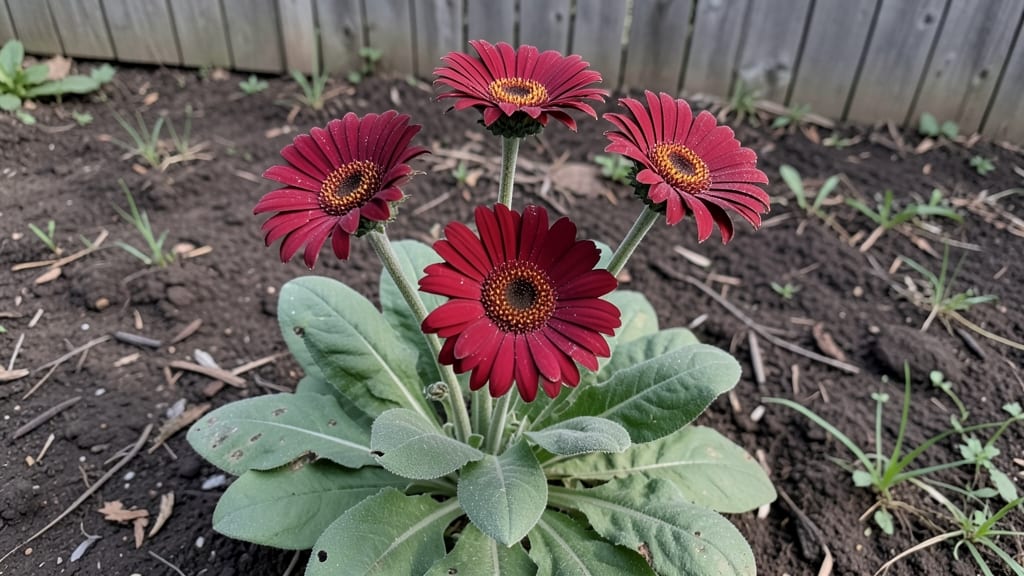
Gerbera blooming season typically spans late spring through early fall, with peak flowering from May to September in temperate zones. Warmer climates may see year-round blooms, while cooler regions require winter dormancy. Proper sunlight and soil care extend their vibrant display.
Gerberas thrive when they get at least 6-8 hours of sunlight daily, but their blooming windows shift dramatically based on where you live.
In USDA zones 8-11, I’ve seen them push through winter with minimal dormancy if protected from frost, while gardeners in zones 5-7 often treat them as annuals due to cold sensitivity. The key trick?
Mulching in fall helps insulate roots, giving those cooler-zone plants a fighting chance for a second flush of blooms in early spring. 🌸
Don’t overlook soil prep—gerberas hate soggy roots, so well-draining mixes with composted organic matter keep them happy. I’ve noticed that container-grown gerberas bloom 10-15% longer than in-ground plants because they warm up faster in spring.
For extended displays, I deadhead spent blooms religiously and switch to a low-phosphorus fertilizer in late summer to avoid leggy growth before winter. The payoff? A second wave of color when most gardeners have packed up their blooms for the year. ✨
💡 In This Article
- How Climate Zones Affect Gerbera Flowering Cycles
- Maximizing Gerbera Bloom Duration with Care Tips
How climate zones affect gerbera flowering cycles
Gerbera daisies thrive best in USDA hardiness zones 8-11, where warm winters prevent dormancy and allow year-round blooming potential. In zone 11 (like Southern California), they often flower continuously if given 6-8 hours of direct sunlight daily—the sweet spot for photosynthesis.
Meanwhile, zone 8 gardeners (think Pacific Northwest) see peak blooms from June to September, with frost-sensitive varieties shutting down by October unless protected.
The magic number for gerbera dormancy is 32°F (0°C). When temperatures dip below this threshold, the plant's meristem cells (growth points) enter a survival mode, halting flower production.
In zone 7, I've seen gerberas in containers survive winters if moved to unheated garages, while in-ground plants typically succumb without 3-4 inches of mulch. The Pacific Northwest's cooler summers (60-75°F) also delay spring blooming by 2-3 weeks compared to Southern California's 75-90°F summers.
Light exposure becomes critical in northern latitudes. Gerberas need 12,000-15,000 lux of light for optimal flowering—about the same as a well-lit office. In Seattle (zone 8), supplemental grow lights in winter can extend the blooming window by 4-6 weeks. The tradeoff?
Too much shade (below 10,000 lux) leads to sparse, weak blooms. I've noticed that container gerberas in zone 9 (like San Diego) often bloom 30% longer than in-ground plants because containers warm up faster in spring, giving them an earlier start.
Here's what happens when gerberas face frost: Ice crystals form in cell walls, rupturing them and releasing enzymes that break down chlorophyll. This triggers dormancy hormones called abscisic acid, which signals the plant to conserve energy.
In zone 6, I've seen gerberas recover after light frosts (28°F/-2°C) if the roots stay dry, but severe frosts (24°F/-4°C) kill the crown.
The Pacific Northwest's marine climate (cooler summers, mild winters) creates a unique challenge—gerberas may bloom in spring but go dormant by late summer when temperatures drop below 65°F (18°C) at night.
Regional water needs vary dramatically too. In Arizona's zone 10, gerberas need 1-1.5 inches of water weekly due to high evaporation, while Washington state's zone 8 gerberas may only need 0.75 inches because of higher humidity.
Overwatering in cooler zones causes root rot, while underwatering in hot zones leads to bud drop. The sweet spot is moist but never soggy soil, achieved by watering at the base rather than overhead.
What most gardeners don't realize is that gerberas in zones 10-11 actually benefit from light pruning in winter to remove dead foliage while preserving energy. In contrast, zone 7 gardeners should wait until spring to prune, as early cuts can stimulate new growth that frost will kill.
The key difference? Warmer zones maintain active growth year-round, while cooler zones rely on dormancy for survival. 💫